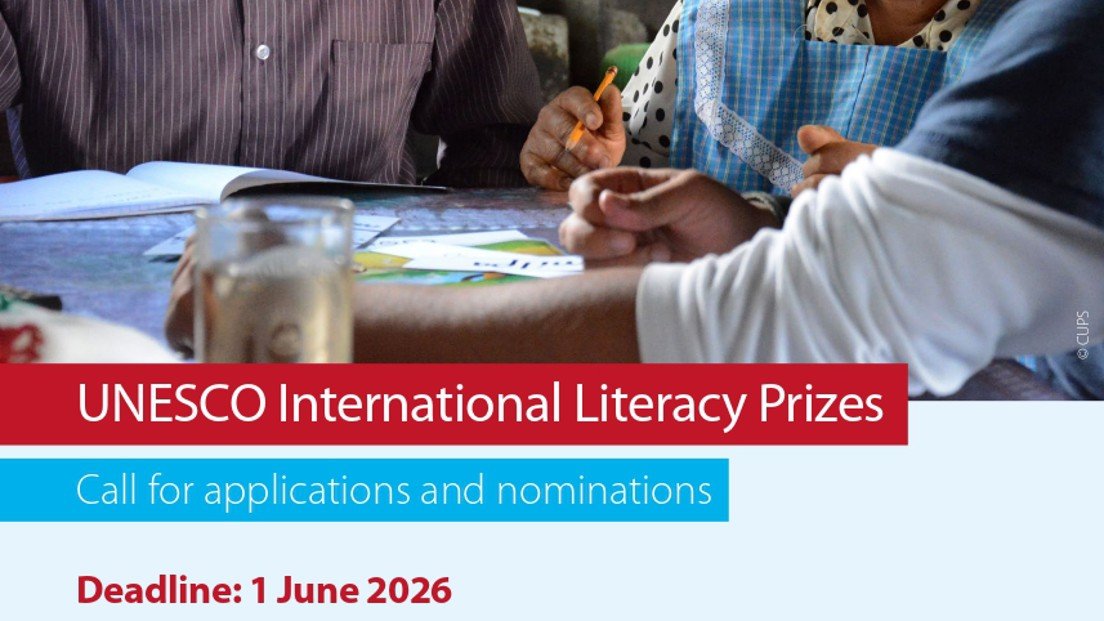
The UNESCO has officially invited nominations for the International Literacy Prizes 2026, aiming to recognise outstanding efforts in promoting literacy worldwide. These prestigious awards highlight innovative programmes that are transforming education and empowering communities through learning.
What are UNESCO International Literacy Prizes?
The UNESCO International Literacy Prizes are among the most respected global awards in the field of education. Since their launch in 1967, they have honoured hundreds of impactful literacy initiatives across the world.
These prizes celebrate programmes developed by governments, organizations, and individuals that demonstrate innovation, effectiveness, and long-term impact in improving literacy.
- Recognise global excellence in literacy initiatives
- Focus on innovation and social impact
- Awarded annually to selected programmes

Who can Apply?
The call for nominations is open to a wide range of participants working in the literacy sector. However, individuals or organisations cannot apply directly without official nomination.
Eligible participants include:
- Educational institutions and research bodies
- Non-governmental organizations (NGOs)
- Government agencies and literacy programmes
Nominations must be submitted through UNESCO Member States or official partner organizations, ensuring a credible and structured selection process.
Types of Literacy Awards
UNESCO currently offers two major literacy awards under this initiative, each focusing on different aspects of education:
- UNESCO King Sejong Literacy Prize – Focuses on mother-tongue based literacy development
- UNESCO Confucius Prize for Literacy – Focuses on functional literacy, especially for rural communities and out-of-school youth
Each prize recognises multiple winners who receive global recognition, certificates, and financial rewards.
Selection Process and Timeline
The selection process follows a structured international evaluation system to ensure fairness and quality.
- May: Call for nominations begins
- June: Deadline for submissions
- July: Jury evaluation
- August: Winners announced
- September 8: Awards presented on International Literacy Day
This timeline ensures that the best literacy initiatives are carefully reviewed by an expert international jury.
Why These Prizes Matter
The UNESCO Literacy Prizes play a crucial role in promoting education as a fundamental human right. They not only reward excellence but also encourage countries and organizations to invest more in literacy programmes.
Winning or even being nominated for these awards provides:
- Global recognition and credibility
- Increased funding and support opportunities
- A platform to scale impactful literacy models

Frequently Asked Questions
Q1. What is the UNESCO International Literacy Prize 2026?
It is a global award by UNESCO that recognises outstanding literacy programmes and initiatives worldwide.
Q2. Who can apply for the literacy prizes?
Institutions, NGOs, and government bodies working in literacy can apply, but they must be nominated through official UNESCO channels.
Q3. What are the main types of awards?
The two major awards are the King Sejong Literacy Prize and the Confucius Prize for Literacy.
Q4. When will the winners be announced?
Winners are typically announced in August and awarded on International Literacy Day (September 8).
Q5. Why are these prizes important?
They promote innovative literacy solutions and help expand access to education globally.
The Major Takeaway
The UNESCO Literacy Prizes 2026 represent a significant opportunity for educators and organizations to gain global recognition for their work in literacy. As education continues to evolve in the digital age, such initiatives play a vital role in shaping inclusive and knowledge-driven societies.