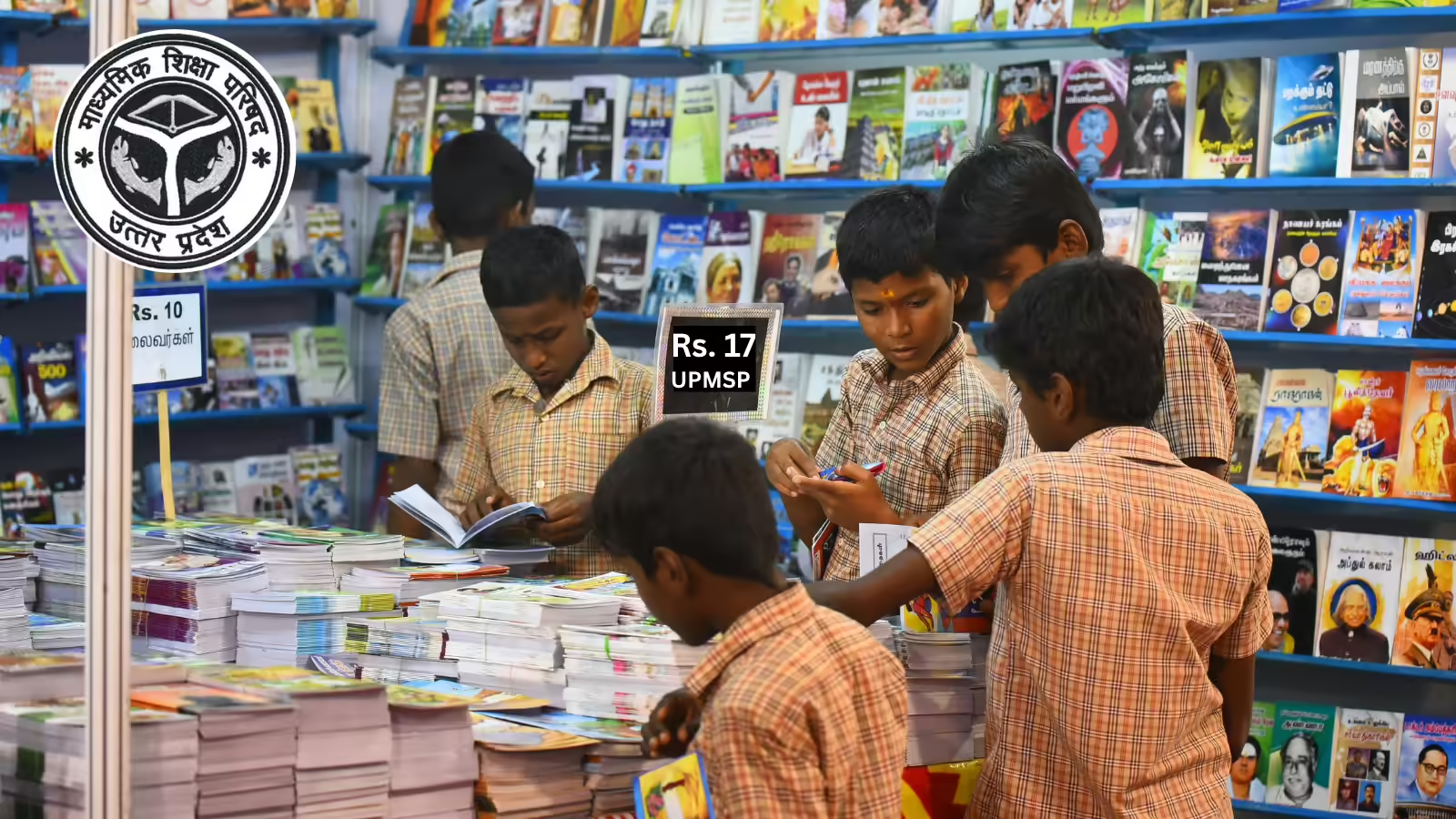
The rising cost of school books and stationery in Uttar Pradesh has become a growing concern for parents ahead of the new academic session. Reports indicate that prices of textbooks, notebooks, and essential school supplies have increased significantly, placing financial pressure on families.
In several districts, parents have raised complaints about schools allegedly mandating the purchase of books from specific vendors at inflated prices. The issue has sparked debate over accountability among schools, publishers, and local authorities.
This development highlights a broader concern about affordability in school education, especially for middle and lower-income households.
Sharp Increase in Prices of Books and Stationery
The cost of school books and stationery has witnessed a noticeable rise in the 2026 academic session.
Parents report:
- Price hikes ranging from 20% to 40% in textbooks
- Increased cost of notebooks, uniforms, and basic stationery
- Bundled packages being sold at fixed prices
In many cases, schools provide a prescribed list of books that are not easily available in the open market. This limits options for parents and often leads to higher spending.
The price surge has been observed across both urban and semi-urban areas of Uttar Pradesh.
Allegations Against Schools and Vendors
A key issue highlighted in reports is the alleged role of schools in directing purchases.
Common concerns include:
- Mandatory purchase from specific shops or vendors
- Lack of transparency in pricing
- Limited availability of prescribed books outside designated outlets
Parents claim that these practices reduce competition and allow vendors to charge higher prices.
In some cases, schools recommend private publishers instead of standard or government-approved books, further increasing costs.

Role of Publishers and Supply Chain Factors
Publishers also play a role in determining the final cost of books.
Key contributing factors:
- Use of private publications instead of NCERT books
- Frequent changes in editions and syllabus alignment
- Premium pricing for customised school-specific books
Supply chain issues such as:
- Increased printing costs
- Transportation expenses
- Distribution margins
have also contributed to rising prices.
However, the impact of these factors varies across regions and institutions.
Government Guidelines and Regulations
Education authorities have issued guidelines to regulate the sale of school books and prevent unfair practices.
Key provisions include:
- Schools should not force parents to buy books from specific vendors
- Preference for NCERT or standard textbooks
- Transparency in book lists and pricing
Despite these regulations, enforcement remains inconsistent in several areas.
Local authorities have initiated inspections in some districts, but complaints continue to surface.
Impact on Parents and Students
The rising cost of school materials has a direct impact on household budgets.
For many families:
- Education expenses form a significant portion of annual spending
- Sudden price increases disrupt financial planning
Parents from middle and lower-income groups face the greatest burden. In some cases, families are forced to compromise on other essential expenses to meet school requirements.
Students may also face indirect consequences, including delays in purchasing books or limited access to required materials.
Need for Greater Transparency and Accountability
The issue has highlighted the need for stronger monitoring and accountability mechanisms.
Key areas that require attention:
- Transparent pricing policies
- Wider availability of books in the open market
- Strict enforcement of government guidelines
Authorities may need to implement:
- Regular audits of school practices
- Clear penalties for violations
- Public awareness initiatives for parents
A structured approach can help ensure fair pricing and accessibility.
- Why are school book prices increasing in Uttar Pradesh?
The increase in school book prices is linked to multiple factors, including the use of private publishers, higher printing and distribution costs, and limited availability of prescribed books. In some cases, schools recommend specific vendors, which reduces competition and leads to higher prices. The combined effect of these factors has resulted in a noticeable rise in overall education expenses.
- Are schools allowed to force parents to buy books from specific shops?
Government guidelines clearly state that schools should not compel parents to purchase books from particular vendors. Parents have the right to buy books from any authorised seller. However, reports indicate that such practices still occur in some areas, highlighting gaps in enforcement.
- What can parents do if they face overpricing issues?
Parents can raise complaints with local education authorities or district administration if they encounter unfair pricing practices. They can also report cases where schools mandate purchases from specific vendors. Awareness of official guidelines can help parents take appropriate action.
- Are NCERT books cheaper than private publications?
NCERT books are generally more affordable compared to private publications. They are standardised and widely available, which helps maintain reasonable pricing. Private books often include customised content, leading to higher costs.
The Major Takeaway
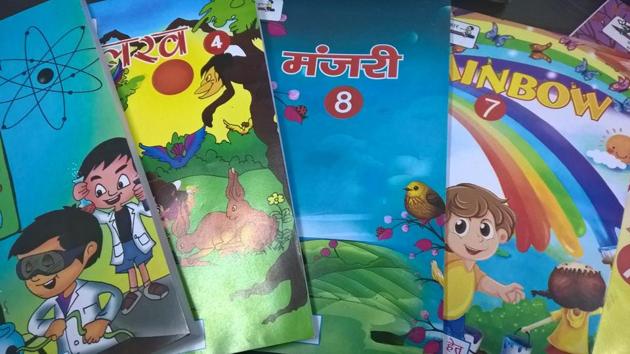
The rise in school book prices in Uttar Pradesh reflects a broader challenge in maintaining affordability in education. While multiple factors contribute to the increase, concerns around transparency and fair practices remain central to the issue.
Addressing these challenges requires coordinated action from schools, publishers, and authorities. Ensuring access to reasonably priced educational materials is essential for supporting students and reducing financial stress on families.