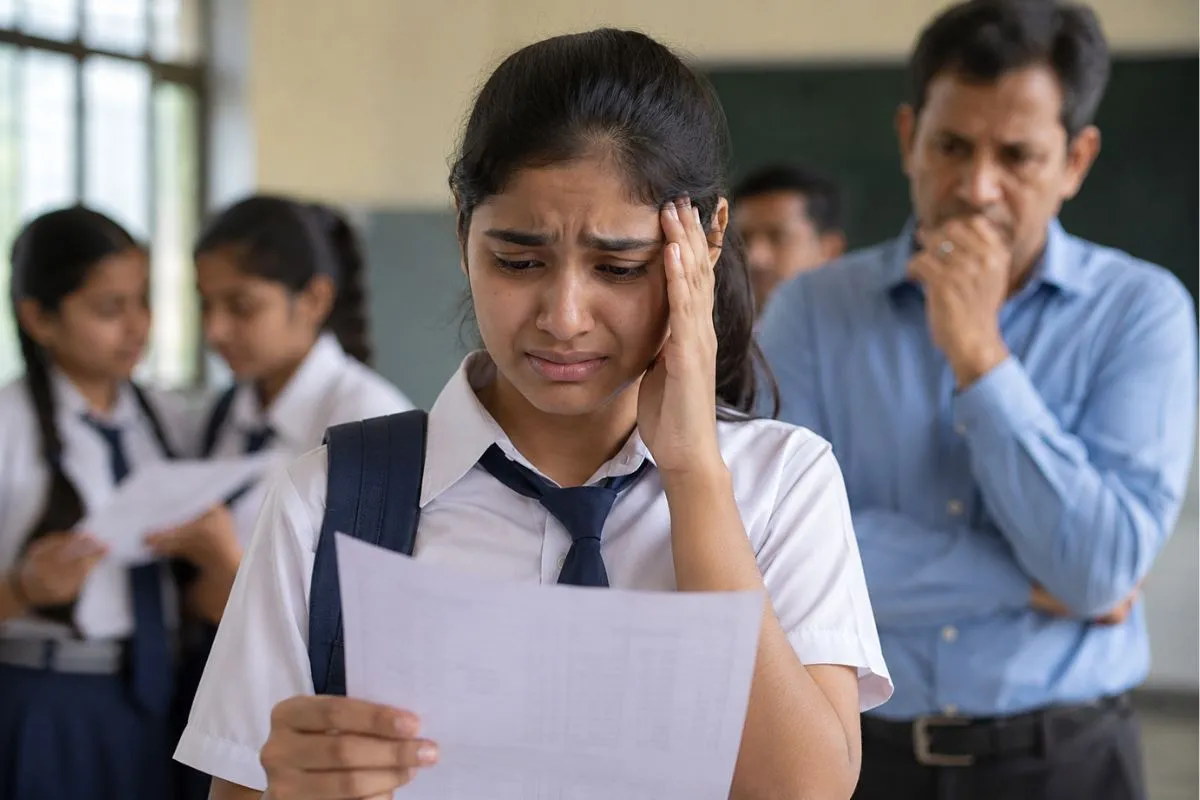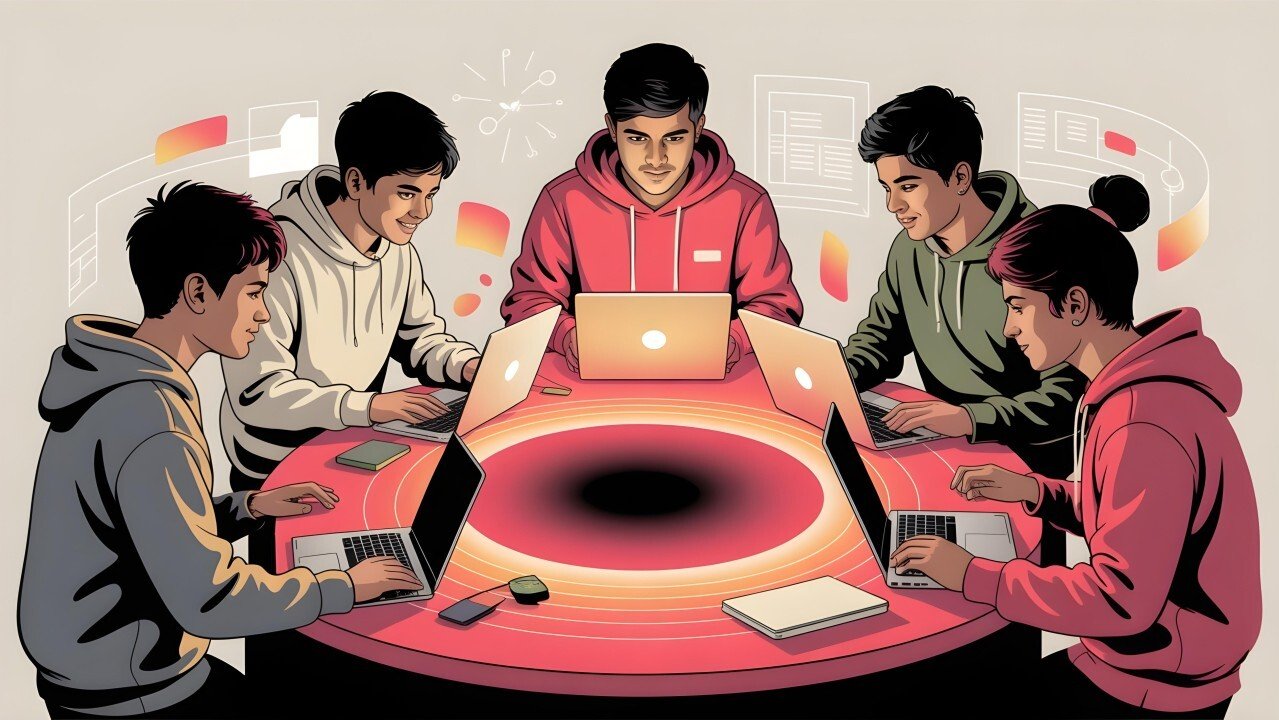
There was a time when education meant sitting inside a classroom for fixed hours, carrying heavy bags, and depending entirely on physical presence. But the digital revolution has slowly rewritten that definition. Today, a student living in a small village can attend lectures from top educators without leaving home. Online education has transformed learning into something more flexible, accessible, and inclusive than ever before.
The shift became especially visible after the COVID-19 pandemic. Schools, colleges, and coaching institutes were suddenly forced to move online. What initially looked like a temporary arrangement gradually became a permanent part of modern education. Digital classrooms, recorded lectures, and interactive learning platforms started changing the way students learn and teachers teach.
Learning is No Longer Restricted by Location
One of the biggest strengths of online education is freedom from geography. Earlier, students from remote areas often struggled to access quality teachers, good institutions, or specialised courses. Online learning has reduced that gap significantly.
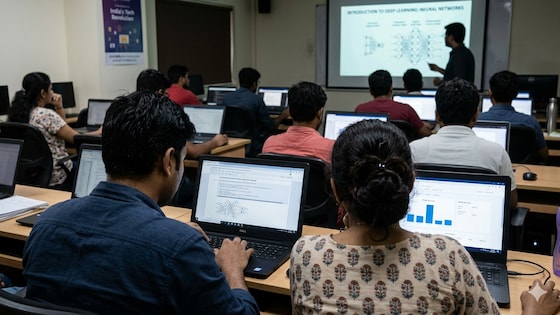
Today, a learner in a Tier-3 town can study coding, communication skills, artificial intelligence, or foreign languages from experts located anywhere in the world. This has made education more democratic and inclusive.
The idea of “classroom without borders” is no longer theoretical. It is becoming reality with every passing year.
Flexible Learning Fits Modern Life
Traditional education often follows rigid schedules. But modern learners live different kinds of lives. Some students prepare for competitive exams alongside college. Others work part-time jobs or pursue sports and creative careers. Online education allows them to learn according to their own pace and convenience.
Recorded lectures, digital notes, and self-paced courses have made learning more adaptable. A student can revisit difficult concepts multiple times without pressure or embarrassment. This flexibility is helping learners balance education with personal responsibilities.
Experts believe flexible learning is especially important in a rapidly changing economy where professionals need constant upskilling.
Education is Becoming More Inclusive
Online education is also helping students who were previously left behind by traditional systems. Learners with physical disabilities, financial limitations, or family responsibilities now have more opportunities to continue education.
Digital platforms offer subtitles, translated materials, recorded sessions, and accessibility tools that make learning easier for diverse groups of students. Reports suggest that online learning has helped many learners overcome social and geographical barriers.
Women learners, working professionals, and students from rural regions are among those benefiting the most from this transformation.
The Rise of Personalised Learning
Every student learns differently. Some understand concepts quickly, while others need more time and practice. Traditional classrooms often struggle to address these individual learning styles. Online education is gradually solving that problem through personalised learning systems.
Many platforms now use AI tools, quizzes, and adaptive technologies to recommend lessons based on a student’s performance. Learners can focus more on weak areas and move faster through topics they already understand.
This approach is making education more student-centric rather than system-centric.
But Challenges Still Exist
Despite its advantages, online education is not perfect. India still faces a major digital divide. Millions of students do not have stable internet access, smartphones, or laptops. In rural areas, many learners continue to struggle with connectivity and digital literacy.
Another concern is reduced face-to-face interaction. Physical classrooms help students develop communication skills, teamwork, discipline, and emotional connections. Excessive screen time can also affect concentration and mental health.
Experts therefore believe the future lies not in replacing classrooms completely, but in combining online and offline learning effectively.
Hybrid Learning May Become the New Normal
Education experts increasingly support hybrid learning models where digital tools complement classroom teaching instead of replacing it entirely. Students can attend physical classes while also accessing recorded lectures, online assessments, and virtual resources from home.
This balanced approach offers both flexibility and human interaction. It also prepares students for a technology-driven future where digital skills are essential.
The National Education Policy (NEP) has also emphasised flexible and multidisciplinary learning methods in recent years.

Technology is Reshaping the Meaning of Education
Artificial Intelligence, virtual reality, smart classrooms, and interactive learning apps are gradually becoming part of mainstream education. Learning is no longer limited to textbooks and blackboards. Students today can watch simulations, join global discussions, and explore virtual laboratories with a few clicks.
This technological shift is preparing learners for careers that may not even exist yet. The focus is slowly moving away from memorisation toward creativity, problem-solving, and practical understanding.
Frequently Asked Questions
- Online education ka sabse bada fayda kya hai?
Online education learning ko flexible aur accessible banata hai, jisse students kahin se bhi padh sakte hain.
- Kya online education traditional classrooms ko replace kar dega?
Experts ke mutabik hybrid learning model zyada effective mana ja raha hai, jahan online aur offline dono ka combination ho.
- Kya rural students ko online learning se fayda hua hai?
Haan, online platforms ne remote areas ke students ko quality education tak pahunch di hai.
- Online education ki sabse badi challenge kya hai?
Digital divide, internet connectivity, aur devices ki kami abhi bhi major challenges hain.
- Kya online learning personalised education provide karta hai?
Haan, kai digital platforms AI aur adaptive systems ki madad se personalised learning experience dete hain.
Conclusion
Online education has changed far more than teaching methods. It has changed the meaning of access, opportunity, and learning itself. While challenges like the digital divide still remain, the growth of flexible and inclusive education is opening doors for millions of learners across India.
The future of education may not belong entirely to classrooms or screens alone. Instead, it will likely belong to a smarter blend of both — where learning becomes more human, more flexible, and available to everyone.