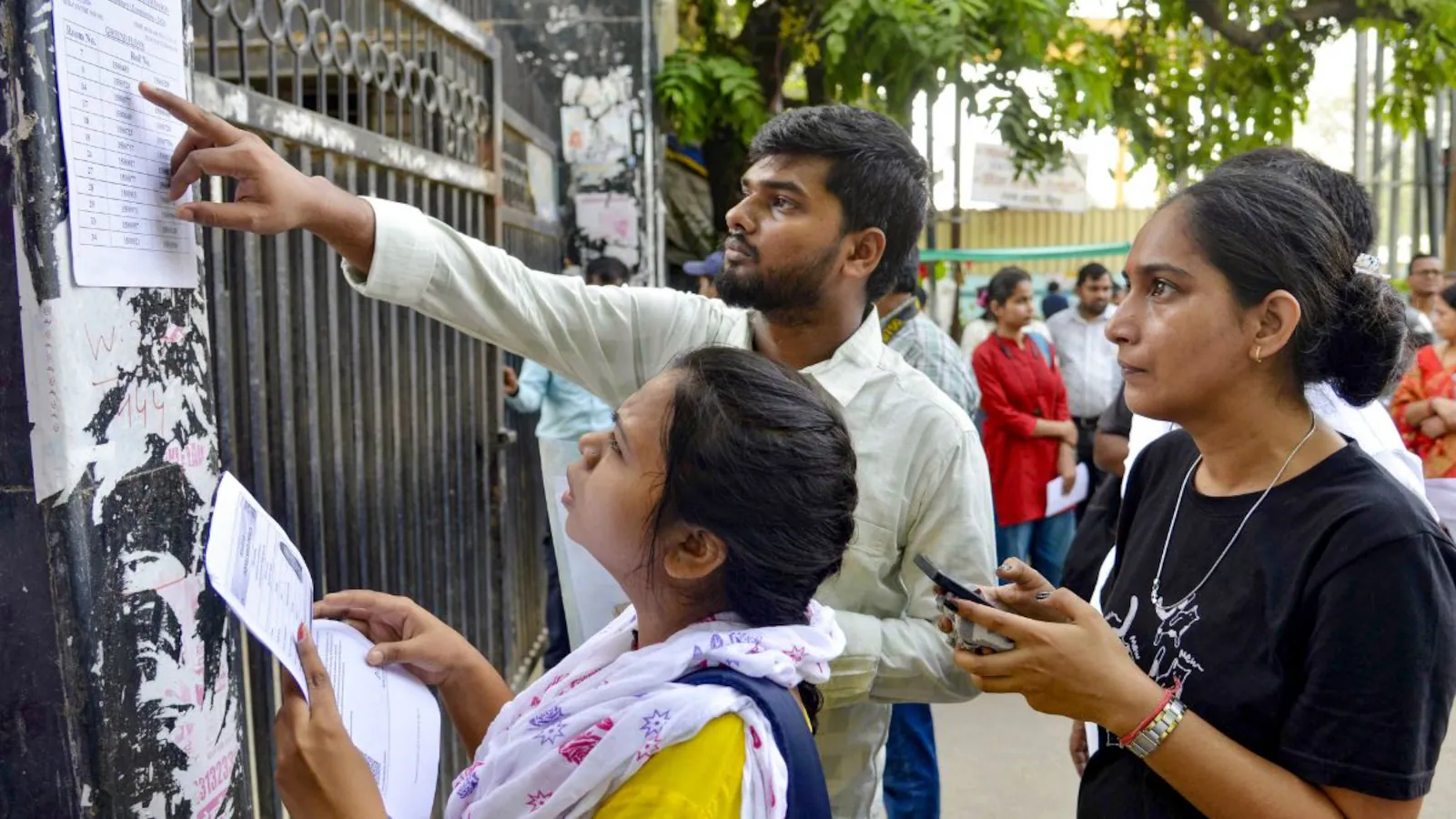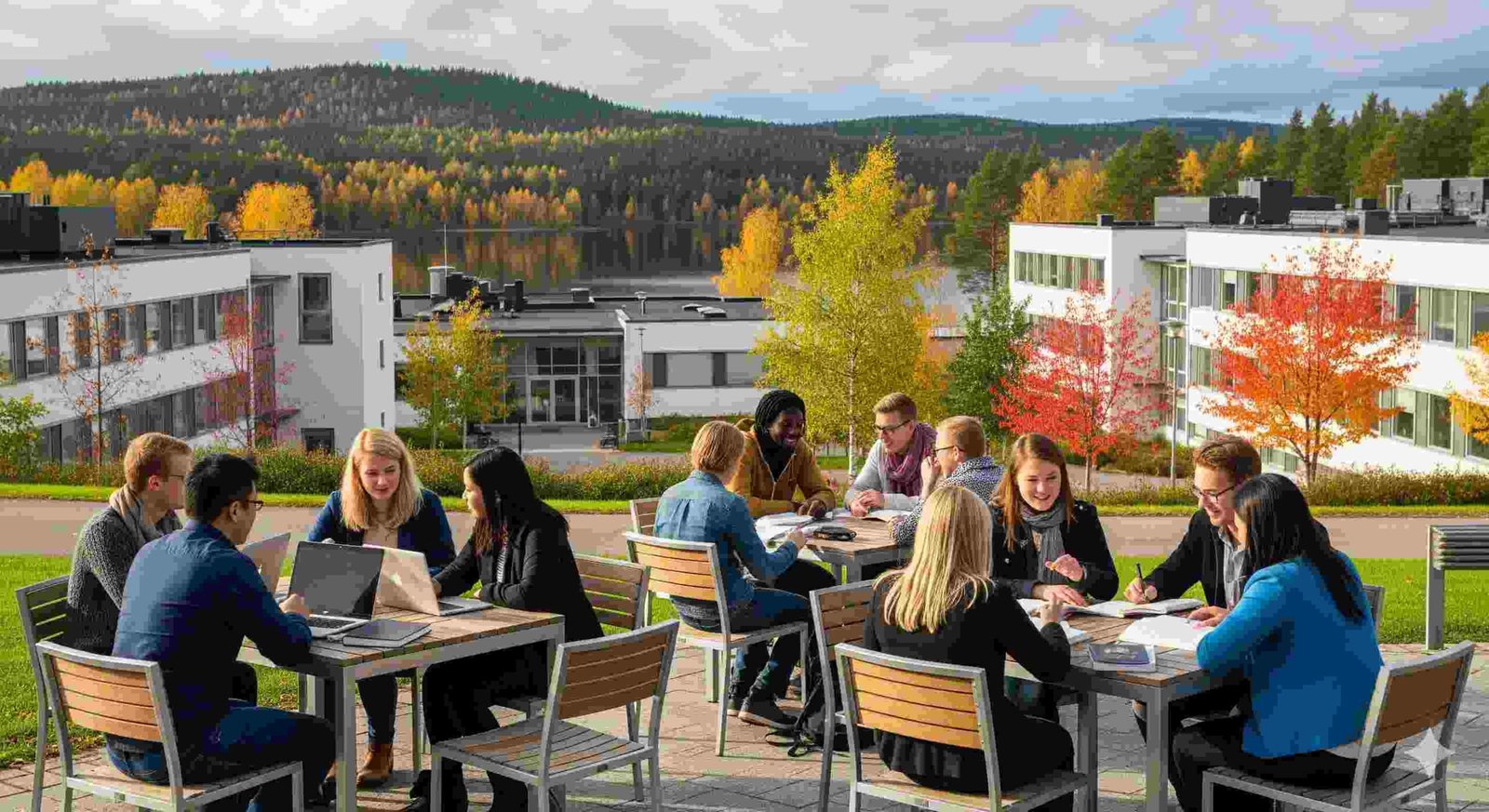
For years, Finland has been marketed as one of the most student-friendly destinations in Europe. Affordable education, high-quality universities, safety, and a modern lifestyle made it especially attractive for international students from countries like India, Nepal, Bangladesh, Nigeria, and Pakistan.
But now, Finland is preparing to tighten financial and residency rules for international students, and the changes could significantly reshape the country’s study-abroad landscape. The Finnish government says the goal is to ensure students are financially self-sufficient and better integrated into society. Critics, however, believe the new measures may discourage talented students from choosing Finland altogether.
The debate has triggered global conversations about immigration, affordability, and the future of international education in Europe.
What Changes in Finland Planning?
The Finnish government has proposed stricter rules targeting non-EU and non-EEA international students. One of the biggest proposed changes is that students who receive social assistance may risk losing their residence permits.
At present, international students in Finland are already expected to prove they can financially support themselves. However, under the proposed amendment, even receiving social welfare once could negatively affect permit renewal or lead to permit withdrawal.
The government argues that study-based residence permits should not become pathways to welfare dependency.

Key Proposed Changes
- Stricter financial monitoring
- Residence permits could be cancelled for welfare dependency
- Tougher income proof requirements
- More scrutiny of education agents
- Harder pathways to permanent residency
Why is Finland Taking This Step?
The Finnish government says the reforms are necessary because many international students arrive without realistic financial preparation. Investigations by Finnish media reportedly found that some foreign recruitment agents misled students by promising easy jobs and comfortable living conditions.
In reality, Finland’s job market has become increasingly difficult, especially for foreigners without Finnish or Swedish language skills. Many students reportedly struggled to find part-time work and eventually relied on welfare assistance to survive.
The government believes tighter rules will reduce exploitation and ensure that only financially prepared students move to Finland.
The Bigger Immigration Shift in Finland
The student-related reforms are not happening in isolation. Finland has already started tightening several immigration and permanent residency rules since early 2026.
Under the new system, foreign nationals generally need six years of continuous residence instead of four to qualify for permanent residency. Language proficiency and work-history requirements have also become stricter.
This reflects a broader political shift in Europe, where many governments are reconsidering immigration and welfare policies amid economic pressure and rising public spending concerns.
Recent Immigration Changes
- Permanent residency period increased from 4 to 6 years
- Finnish or Swedish language proficiency required
- Stronger employment history requirements
- Stricter welfare usage limits
How will International Students be Affected?
For international students, especially from developing countries, the proposed rules could create additional pressure even before arriving in Finland.
Students may now need to show stronger proof of savings and financial stability. Families planning to support children abroad could face higher financial expectations, making Finland less accessible for middle-class households.
Many students also fear that a temporary financial emergency could now threaten their legal stay in the country.
Possible Challenges for Students
- Higher upfront financial burden
- Increased visa uncertainty
- Stress related to employment opportunities
- Greater pressure to find part-time jobs quickly

What About Indian Students?
Indian students have increasingly viewed Finland as an alternative to countries like Canada, the UK, and Australia because of lower tuition costs and growing English-taught programmes.
However, these new policies could affect future applications from India. Students who previously considered Finland a comparatively affordable European destination may now think twice.
At the same time, experts say Finland still offers strong academic quality and research opportunities, especially in technology, sustainability, and innovation-related fields.
The Language Barrier Problem
One of the biggest issues international students face in Finland is language. While universities offer many English-language courses, the local job market often requires Finnish or Swedish proficiency.
This creates a difficult situation for students. They may study in English but struggle to find jobs without local language skills. The government now appears to believe that stronger integration requirements are necessary for long-term residency and employment.
Many students argue that learning Finnish to a professional level takes years and can be extremely challenging alongside full-time studies.
Social Media and Student Reactions
The proposed reforms have sparked intense debate online. On Reddit and international student forums, reactions have been sharply divided. Some users believe Finland’s rules are reasonable because international students should be financially prepared before moving abroad. Others argue the system is becoming too restrictive.
Several users pointed out that students are often sold unrealistic dreams by education agents who promise easy jobs and permanent settlement opportunities. Others warned that the new rules could damage Finland’s reputation as an open and welcoming education destination.
One Reddit commenter wrote that many students arrive with insufficient savings and then discover that finding work in Finland is far harder than expected.
Why Europe is Becoming Stricter on Immigration
Finland is not alone. Across Europe, governments are tightening immigration and student visa policies. Economic slowdown, rising unemployment, housing shortages, and growing public spending have pushed many countries toward stricter immigration frameworks.
Several European governments now want international students to contribute economically rather than rely on public systems. Experts say this trend could continue across the Schengen region in coming years.
For students planning to study abroad, this means financial planning and realistic expectations are becoming more important than ever.
Is Finland Still Worth Considering?
Despite the tougher rules, Finland still remains one of the world’s strongest education systems. Finnish universities are known for innovation, research quality, student-centered teaching, and high living standards.
For students who are financially prepared and willing to adapt to the local culture and language, Finland may still offer excellent opportunities. However, experts now advise students to avoid relying heavily on part-time jobs as their primary survival strategy.
Why Students Still Choose Finland
- Globally respected universities
- Strong research ecosystem
- Safe and high-quality lifestyle
- Growing tech and innovation sectors
- English-taught degree programmes
The Role of Education Agents Under Scrutiny
Another important aspect of the debate involves education consultants and recruitment agents. Finnish authorities are reportedly considering tighter control over unofficial agents who market Finnish education abroad.
Investigations suggested that some agents exaggerated job opportunities and underplayed the financial realities of living in Finland.
If stricter regulation is introduced, only officially approved agents may be allowed to recruit students for Finnish institutions in the future.
What Students Should Do Before Applying
Experts say students should now focus more carefully on financial preparation and long-term career planning before choosing Finland.
Students are advised to research living expenses, housing costs, job opportunities, and local language expectations realistically instead of relying only on promotional content online.
Important Preparation Tips
- Build strong financial backup
- Research the local job market carefully
- Learn basic Finnish or Swedish early
- Avoid depending entirely on part-time income
- Verify information provided by education agents
Could These Rules Reduce International Admissions?
Many analysts believe stricter policies could reduce the number of international applicants in Finland. Countries compete aggressively for global talent, and students often compare affordability, immigration policies, and post-study opportunities before applying.
If Finland becomes too restrictive, students may shift toward countries with more flexible work and residency pathways. However, supporters of the reforms argue that quality and sustainability matter more than simply increasing student numbers.
The coming years will reveal whether Finland can balance stricter immigration policies with its ambition to remain an attractive global education destination.
Frequently Asked Questions (FAQs)
- What new rules is Finland proposing for international students?
Finland is proposing stricter financial monitoring and may revoke residence permits for non-EU students who rely on social assistance.
- Will these rules affect Indian students?
Yes. The proposed rules apply mainly to non-EU and non-EEA international students, including students from India.
- Why is Finland tightening immigration policies?
The government says the reforms are aimed at reducing welfare dependency, improving integration, and ensuring students are financially self-sufficient.
- Is Finland still a good destination for higher education?
Yes. Finland still offers high-quality education and strong research opportunities, but students may now need stronger financial planning and realistic expectations.
Conclusion
Finland’s proposed reforms signal a major shift in how international education and immigration are being viewed across Europe. The message from the Finnish government is becoming increasingly clear: international students are welcome, but they must arrive financially prepared and capable of long-term integration.
For students dreaming of studying in Finland, the opportunity still exists — but the rules of the game are changing. In the years ahead, success abroad may depend not only on academic performance, but also on financial resilience, adaptability, and realistic planning.