A quiet but significant shift is taking place in the global education landscape. For decades, countries like the United States and the United Kingdom dominated the study-abroad space. But now, a new player is steadily rising—and reshaping the equation.
According to a report released by the Xinhua Institute, China has emerged as a new growth pole in the global education market. This development signals not just expansion, but a deeper transformation in how international education is evolving.
A Shift Away from Traditional Education Powers
The global education system is no longer centred around a few dominant countries. The report highlights that the long-standing dominance of traditional education hubs is beginning to weaken. In their place, emerging destinations are gaining momentum and recognition.
Countries like China, alongside Japan and South Korea, are becoming increasingly attractive to international students. This shift reflects changing priorities—students are now looking beyond legacy institutions and exploring new academic ecosystems.
- Traditional dominance is declining
- Emerging Asian destinations are rising
- Student preferences are diversifying
This marks a turning point in global education mobility.
China’s Strategy: Building an Education Powerhouse
China’s rise in the education sector is not accidental—it is driven by a clear national strategy. The country has been actively working towards becoming a global education powerhouse, aligning its academic growth with broader economic and social development.
By investing in infrastructure, research, and institutional capacity, China has strengthened its educational ecosystem. This coordinated approach has helped create a system that is both competitive and globally relevant.
- Focus on educational modernisation
- Integration with economic growth
- Long-term policy-driven development
This strategic vision is now yielding visible results on the global stage.

Growing Appeal for International Students
One of the most striking outcomes of this transformation is China’s increasing ability to attract international students. The report notes that the country has built a strong foundation that supports global academic engagement.
Students are drawn not just by affordability, but also by improved quality, diverse programmes, and expanding global recognition. This combination is positioning China as a serious alternative to traditional study destinations.
- Rising number of international students
- Diverse academic programmes
- Improved global recognition
The message is clear—China is no longer just an option; it is becoming a preferred choice.
Expanding Global Education Partnerships
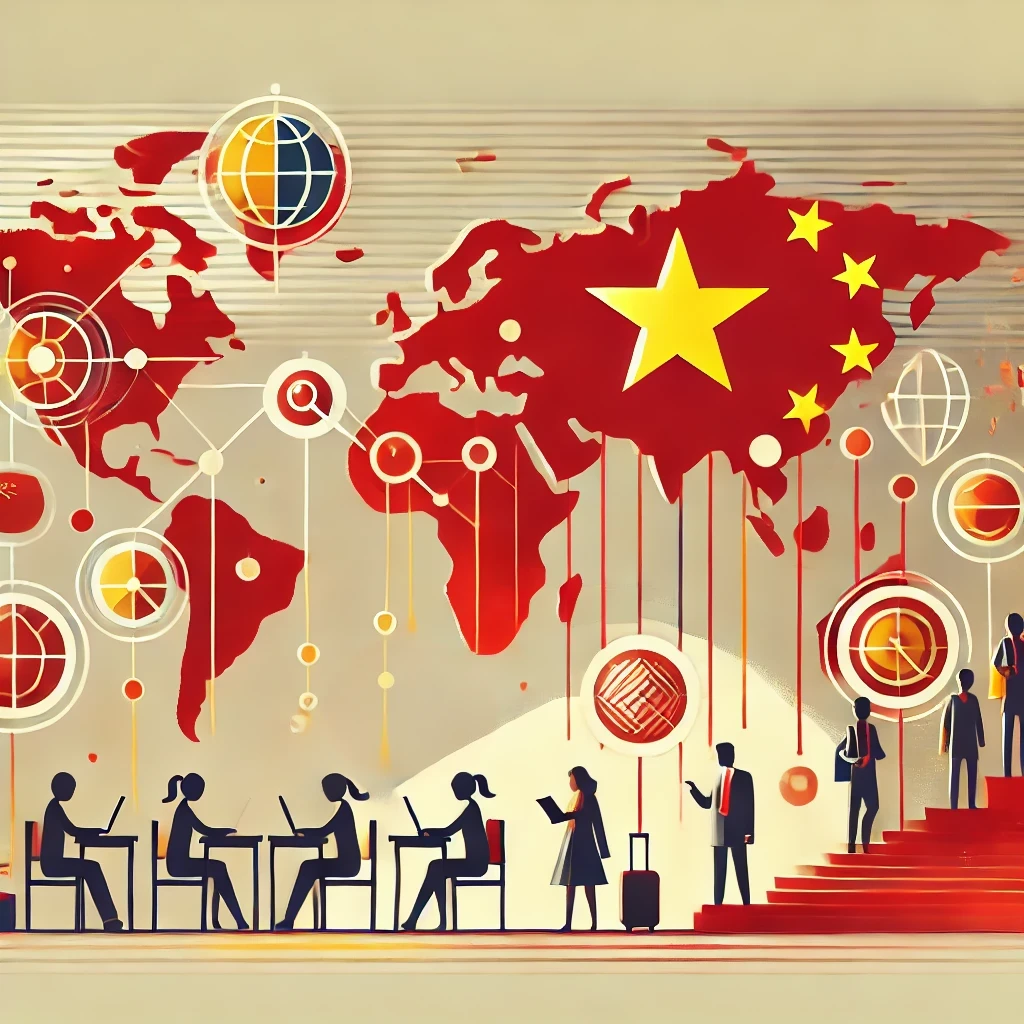
China’s influence in global education is also reflected in its extensive international collaborations. Over the years, the country has built a wide network of partnerships that strengthen academic exchange and cooperation.
These partnerships are not symbolic—they represent active engagement with institutions and governments worldwide. This global integration is helping China expand its academic reach and credibility.
- Educational cooperation with 183 countries and regions
- Degree recognition agreements with 61 countries
- Joint education programmes with 45 countries
Such масштаб collaborations highlight the scale at which China is operating.
Education Meets Global Influence
Education is no longer just about classrooms—it is a tool of global influence. By expanding its educational footprint, China is also strengthening its cultural and intellectual presence worldwide.
The report suggests that this growth is contributing to a broader vision of building a “shared future for humanity.” In this context, education becomes a bridge—connecting nations, ideas, and opportunities.
This approach reflects a shift from competition to collaboration in the global education space.
A Changing Global Narrative
As China’s role in international education grows, it is also reshaping the narrative around where and how students choose to study. The idea that quality education is limited to a few Western countries is gradually being challenged.
Instead, a more balanced and diverse global education system is emerging—one where multiple countries contribute to knowledge creation and exchange.
This transition may take time, but the direction is already clear.
Frequently Asked Questions (FAQs)
- Why is China becoming a global education hub?
China is rapidly emerging as a global education hub due to its strong government focus on building an education powerhouse. Investments in modern infrastructure, research, and international collaborations have significantly improved the quality and global appeal of its institutions.
At the same time, China is aligning education with economic growth, which makes its universities more practical and career-oriented. This combination is attracting students from across the world.
- How many countries does China have educational partnerships with?
According to the report by the Xinhua Institute, China has established educational cooperation with 183 countries and regions.
In addition, it has signed degree recognition agreements with 61 countries and launched joint education programmes with 45 countries, reflecting its strong global integration.
- Is China replacing traditional study destinations like the US and UK?
China is not necessarily replacing traditional education leaders, but it is certainly challenging their dominance. The global education landscape is becoming more balanced, with students exploring diverse destinations.
Countries like China, Japan, and South Korea are gaining popularity due to affordability, quality education, and expanding global recognition.
- What attracts international students to study in China?
Several factors are contributing to China’s growing appeal among international students. These include improved academic quality, diverse course offerings, and increasing global recognition of Chinese degrees.
Additionally, lower tuition costs and strong career opportunities make China an attractive alternative to Western countries.
- What is the future of global education according to this trend?
The rise of China indicates a shift toward a more diversified global education system. Instead of a few dominant countries, multiple regions are now contributing to international education.
This trend suggests a future where education becomes more accessible, collaborative, and globally interconnected—benefiting students and institutions alike.
The Major Takeaway
China’s emergence as a global education hub is more than just a trend—it is a structural shift in the international education system. With strong policy support, expanding partnerships, and growing global appeal, the country is redefining what it means to be a leading study destination.
For students, this means more choices. For institutions, it means more collaboration. And for the world, it signals a future where education is truly global—shared, inclusive, and constantly evolving.