Every year on March 22, the world observes World Water Day, a global reminder that water—something many take for granted—is becoming one of the most threatened resources on Earth. First established by the United Nations in 1993, this day highlights the urgent need for sustainable water management and universal access to safe drinking water.
But in 2026, the message is more alarming than ever: water sources are drying, demand is rising, and human life is increasingly at risk.
The Growing Global Water Crisis
Water is the foundation of life, yet billions of people around the world struggle to access clean and safe drinking water. According to global estimates, over 2 billion people still lack access to safe water, while billions more face periodic shortages.
The crisis is not limited to one region—it is global, affecting both developed and developing nations. In fact, nearly half of the world’s population experiences severe water scarcity for at least part of the year.
This growing imbalance between water supply and demand is what makes the situation so dangerous. As populations grow and urbanization accelerates, the pressure on freshwater resources continues to intensify.
Drying Water Sources: A Silent Emergency
One of the most alarming aspects of the water crisis is the rapid depletion of natural water sources. Rivers, lakes, and groundwater reserves—once considered reliable—are now shrinking or disappearing.
Several factors are driving this trend:
-
Climate Change
Changing weather patterns have disrupted rainfall cycles across the globe. Some regions face prolonged droughts, while others experience erratic rainfall, reducing the reliability of water sources.
-
Over-Extraction of Groundwater
In countries like India, excessive groundwater extraction for agriculture and urban use has led to a dramatic decline in water tables. Northern India alone is losing groundwater at an alarming rate each year.
-
Pollution
Industrial waste, agricultural chemicals, and untreated sewage contaminate freshwater sources, making them unsafe for consumption. Even when water is available, it is often not usable.
-
Poor Water Management
Inefficient infrastructure and lack of planning contribute significantly to water loss. In many regions, water is wasted due to leakage, outdated systems, and poor governance.
The result? A world where water sources are not just scarce—but disappearing.
Rising Thirst: Demand Outpacing Supply
The demand for water is increasing at an unprecedented rate. Population growth, industrialization, and changing lifestyles are all contributing to higher consumption.
Experts warn that global water demand could exceed supply by 40% by 2030 if current trends continue.
Agriculture alone accounts for nearly 70% of freshwater use worldwide. As food demand rises, so does the need for water, creating a vicious cycle of depletion.
Urban areas are also under stress. Rapid expansion of cities has increased water demand, often without corresponding improvements in supply systems. This leads to frequent shortages, especially during summer months.
Human Life in Crisis
The water crisis is not just an environmental issue—it is a human crisis affecting health, livelihoods, and survival.
-
Health Risks
Lack of access to clean water leads to the spread of waterborne diseases such as cholera, dysentery, and typhoid. Globally, millions suffer from illnesses caused by unsafe water every year.
-
Impact on Women and Children
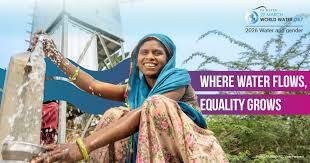
Women and girls are disproportionately affected by water scarcity. They spend millions of hours daily collecting water, often traveling long distances.
This not only affects their health but also limits access to education and economic opportunities.
-
Food Insecurity
Water scarcity directly impacts agriculture, leading to reduced crop yields and food shortages. Without sufficient water, farming becomes unsustainable.
-
Economic Consequences
Industries that rely on water face disruptions, affecting jobs and economic growth. Water scarcity can even trigger conflicts over resources.
India’s Water Crisis: A Case Study
India is among the countries facing severe water stress. Despite having a large population, it possesses only a small share of global freshwater resources.
Cities like Chennai and regions like Latur have experienced extreme water shortages, forcing people to rely on unsafe sources or emergency measures.
Key challenges in India include:
- Overdependence on groundwater
- Delayed monsoons due to climate change
- Rapid urbanization
- Pollution of rivers and lakes
The situation highlights how water scarcity can quickly escalate into a humanitarian crisis if not managed properly.
Climate Change and the Water Connection
Climate change is one of the biggest drivers of the water crisis. Rising global temperatures are altering the water cycle, leading to:
- More intense droughts
- Reduced glacier reserves
- Erratic rainfall patterns
- Increased evaporation
These changes not only reduce water availability but also make water systems less predictable.
In simple terms, climate change is turning water from a reliable resource into an uncertain one.
The Inequality of Water Access
One of the most troubling aspects of the water crisis is inequality. While some regions enjoy abundant water, others struggle for every drop.
According to recent insights, the global water crisis affects everyone—but not equally. Vulnerable communities, especially in developing countries, bear the greatest burden.
Economic water scarcity—where water exists but cannot be accessed due to lack of infrastructure—is a major issue in many parts of the world.
This inequality highlights the need for fair and inclusive water management policies.

Future Outlook: A Thirsty Planet?
If current trends continue, the future looks concerning:
- By 2025, half the world could face acute water shortages.
- By 2050, more than half of the global population may live in water-stressed areas.
The concept of “water bankruptcy” is already being discussed globally—where humanity is using water faster than it can be replenished.
This is not a distant threat—it is happening now.
Solutions: Can We Reverse the Crisis?
Despite the grim scenario, solutions do exist. Addressing the water crisis requires a combination of global cooperation, technological innovation, and individual responsibility.
-
Water Conservation
Simple practices like reducing wastage, fixing leaks, and using water-efficient appliances can make a big difference.
-
Rainwater Harvesting
Collecting and storing rainwater helps recharge groundwater and ensures availability during dry periods.
-
Sustainable Agriculture
Adopting efficient irrigation techniques like drip irrigation can significantly reduce water usage.
-
Wastewater Recycling
Treating and reusing wastewater can help meet growing demand without over-exploiting natural sources.
-
Policy and Governance
Strong policies, better infrastructure, and international cooperation are essential for long-term solutions.
Role of World Water Day
World Water Day is more than just a symbolic observance—it is a call to action. It encourages governments, organizations, and individuals to:
- Raise awareness about water issues
- Promote sustainable practices
- Invest in water infrastructure
- Ensure equitable access to water
Each year, the theme highlights a specific aspect of the crisis, helping to focus global attention on urgent challenges.
What Can Individuals Do?
While large-scale solutions are necessary, individual actions also matter:
- Turn off taps when not in use
- Use water-efficient fixtures
- Avoid polluting water bodies
- Support conservation initiatives
- Spread awareness
Every drop saved contributes to a larger impact.
Conclusion: A Call for Urgent Action
The message of World Water Day 2026 is clear: the world is running out of time to fix its water crisis.
Drying water sources, rising demand, and unequal access are pushing humanity toward a future where water scarcity could define everyday life.
But this crisis is not inevitable. With collective effort, innovation, and responsible management, it is still possible to secure water for future generations.
Water is not just a resource—it is life itself. Protecting it is not a choice; it is a necessity.
—-Bishwa Nath Jha