Introduction: Why Theatre Still Matters Today
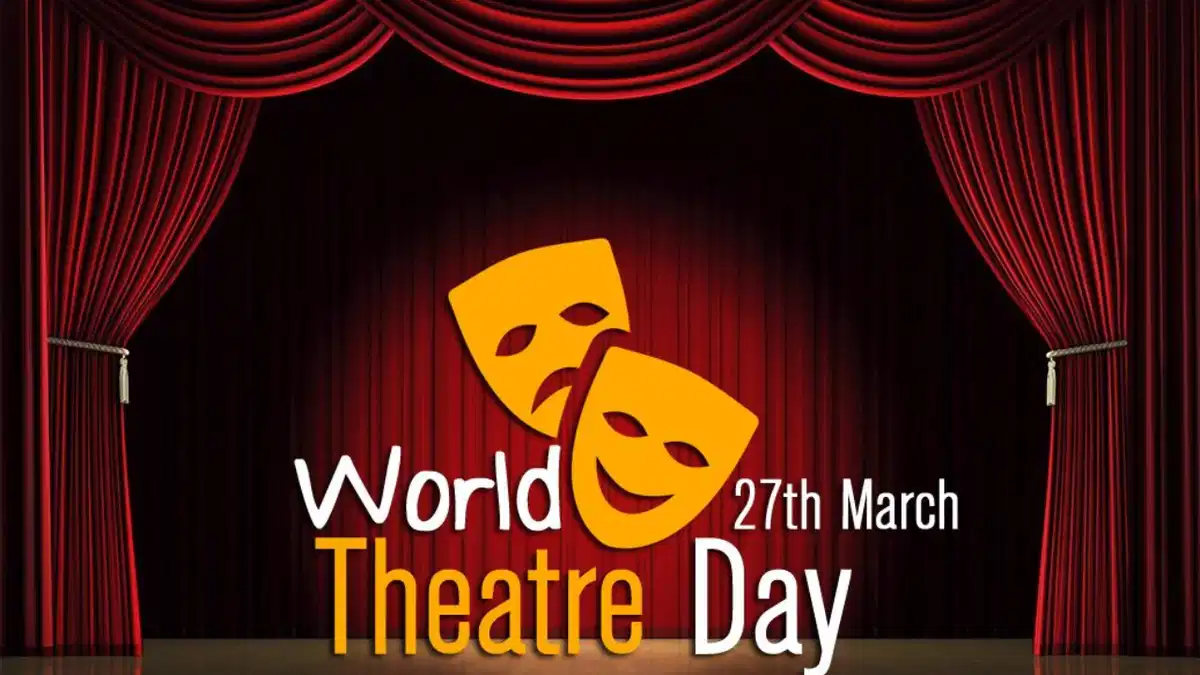
Every year on March 27, the global community celebrates World Theatre Day, a tribute to one of humanity’s oldest and most powerful art forms. Established in 1961 by the International Theatre Institute, this day reminds us that theatre is not just performance—it is a living, breathing reflection of human emotions, culture, and thought.
In an era dominated by screens and short-form content, theatre stands apart as an immersive and deeply personal experience. It brings people together in a shared space, creating a unique connection between performer and audience. This timeless relevance makes theatre more than entertainment—it becomes a medium of understanding, empathy, and transformation.
The Historical Roots of Theatre
The origins of theatre can be traced back to ancient rituals and storytelling traditions that helped early societies make sense of the world around them. Over time, these practices evolved into structured dramatic performances, especially in ancient Greece, where theatre flourished as a cultural institution.
Playwrights like Sophocles and Euripides explored themes of fate, morality, and human conflict, laying the foundation for dramatic storytelling. Their works continue to influence modern theatre, proving that the human experience remains universal across time and cultures.
Theatre as a Reflection of Society
Theatre has often been described as a mirror of society because it reflects real-life issues, emotions, and conflicts. Through compelling narratives and powerful performances, it allows audiences to see their own lives and struggles represented on stage.
This reflection is not always comfortable—it can challenge beliefs, question norms, and provoke thought. But that is precisely what makes theatre essential. It creates a space for dialogue and introspection, encouraging individuals to better understand themselves and the world around them.
Beyond Entertainment: Theatre as a Tool for Change
While theatre entertains, its true strength lies in its ability to inspire change. It has historically played a crucial role in addressing social issues such as inequality, injustice, and discrimination.
Street theatre, political plays, and experimental performances often bring attention to topics that may otherwise be ignored. By presenting these issues in a relatable and emotional way, theatre encourages audiences to think critically and take action.
The Rich Tradition of Indian Theatre
India boasts a vibrant theatrical heritage deeply rooted in classical texts like the Natyashastra. This ancient treatise outlines the principles of performance, emotion, and storytelling, forming the backbone of Indian theatre.
Traditional forms such as Ramleela, Kathakali dance-drama, and Yakshagana theatre continue to captivate audiences with their rich storytelling and visual grandeur. These art forms preserve cultural identity while adapting to modern sensibilities, ensuring their continued relevance.
Theatre: A Collaborative Art Form
Unlike many other art forms, theatre is inherently collaborative. It combines writing, acting, music, dance, and visual design to create a unified performance. Each element plays a crucial role in delivering a meaningful experience.
From directors and actors to stage designers and technicians, every contributor works together to bring a story to life. This collaboration not only enhances creativity but also highlights the importance of teamwork in artistic expression.
Challenges in the Digital Era
The rise of digital platforms and streaming services has posed challenges for theatre. With audiences increasingly turning to online entertainment, live performances often struggle to attract attention.
However, theatre’s unique strength lies in its immediacy and authenticity. The live interaction between actors and audiences creates an emotional depth that cannot be replicated on screen. This ensures that theatre continues to hold a special place in the world of art and culture.
The Future of Theatre: Innovation and Adaptation
Theatre is not static—it evolves with time. Modern productions are experimenting with immersive storytelling, interactive performances, and the integration of technology. These innovations are helping theatre reach new audiences, especially younger generations.
By blending tradition with modernity, theatre continues to remain relevant in a rapidly changing world. It proves that while the medium may evolve, its essence as a form of human expression remains unchanged.
World Theatre Day: A Global Celebration
World Theatre Day is more than a celebration—it is a call to action. It encourages individuals, institutions, and governments to support theatre and its artists.
The day highlights the importance of preserving cultural heritage, promoting creativity, and fostering global unity through the arts. It serves as a reminder that theatre is not just an art form but a vital part of human civilization.
Conclusion: Theatre as the Story of Humanity
Theatre is, at its core, the story of humanity. It captures the joys, struggles, and complexities of life, presenting them in a way that resonates deeply with audiences.
As we celebrate World Theatre Day 2026, let us recognize the enduring power of theatre to inspire, educate, and transform. In a world that is constantly changing, theatre remains a timeless reminder of what it means to be human.
FAQs
Q1. What is World Theatre Day?
World Theatre Day is celebrated annually on March 27 to promote theatre arts and highlight their cultural and social importance worldwide.
Q2. Why is theatre important in society?
Theatre fosters empathy, raises social awareness, and provides a platform for expressing complex human emotions and ideas.
Q3. Who started World Theatre Day?
It was initiated by the International Theatre Institute in 1961.
Q4. What are some famous Indian theatre forms?
Ramleela, Kathakali, and Yakshagana are among the most well-known traditional theatre forms in India.
Q5. Is theatre losing relevance today?
Despite digital competition, theatre remains relevant due to its live, immersive, and emotionally engaging nature.
—Bishwa Nath Jha