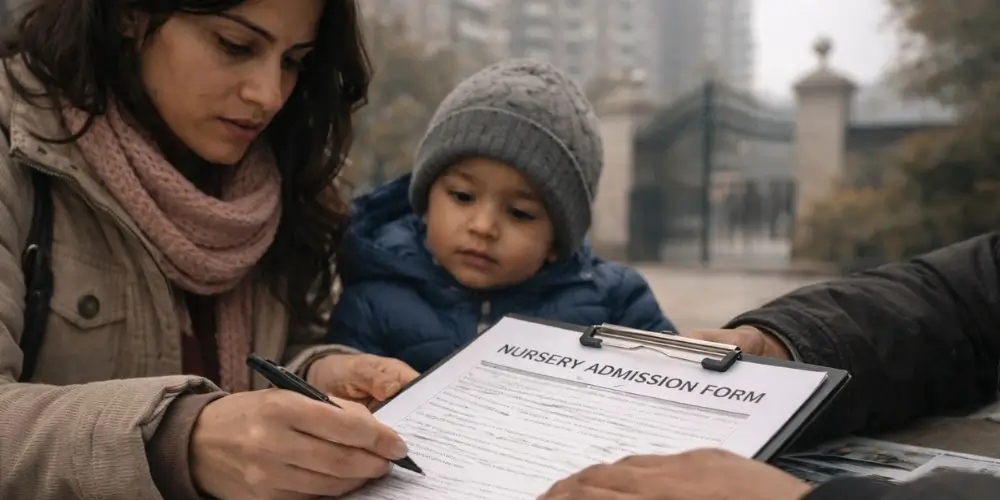
Every year when winter kicks in, a unique kind of tension grips households across Delhi — but it isn’t about weather or exams. This stress is about something much more personal and emotional for millions of families: nursery admissions for their little children. Parents wake up early, queue up outside school gates, talk to well-wishers and neighbours, consult distant relatives for “sources”, and sometimes even grapple with anxiety that feels bigger than most adult problems. But why does this process feel so daunting? Why are parents so worried, some even overwhelmed? Let’s unpack the situation and see what’s going on.
A Process That Should Be Simple — But Isn’t
In most cities, nursery admissions follow a fairly straightforward application process. Parents fill forms online, upload documents, and wait for the results. But in Delhi, things have become complicated.
The reality is that some private schools in Delhi — especially the well-known ones — attract huge demand. While there are many schools in the capital, only a handful of them have a reputation or brand value that parents feel confident about. These schools have waiting lists so long that for just 60 seats, over 2,000 applications may arrive. As you can imagine, such competition naturally leads to anxiety for parents whose chief concern is: “Will my child get in?”

This pressure is not about just getting a school but getting the right school — the one that parents believe will give their child the best start in education and life.
The Points System Explained — A Gatekeeper of Sorts
To handle the enormous pressure on limited seats, Delhi schools use a 100-point system for admissions. This system was introduced years ago after complaints about unfair practices such as interviews, unclear criteria, and even donations influencing results. A committee led by a former CBSE chairman recommended a transparent way to decide admissions, and thus the points system was born.
Here’s how it works — not in bureaucratic terms, but in everyday language:
Distance Matters Most
Almost half of the total points are based on how close your home is to the school. That means if you live nearby, you get more points — often making it easier for your child to be selected. This has led to a situation where some parents even rent houses near schools just to improve their point score.
Sibling and Alumni Advantage
If your child has an older sibling already studying in the school, or if you yourself studied there, you get extra points. This gives priority to families already linked to the school community.
Other Categories
Points are also given for things like being a single parent, being from certain reserved categories, or even being a girl child in some cases. These are meant to make the system fairer and more inclusive — but they also add to the complexity.
With so many different criteria, parents often feel bewildered trying to figure out where they stand and whether their child will make it into the coveted first list of selected students.
The Roller-Coaster of Merit Lists
Unlike some admissions where you know right away if you are in or out, nursery admissions in Delhi are released in multiple merit lists — each followed by anxious waiting and hopes.
The first list often creates the first wave of disappointment for many parents — and that’s when the worry truly begins. Many don’t find their child’s name there. They hope the second list will help, but then the waiting continues until the third and final list comes out — which might be weeks later.
A single parent whose child didn’t make it into first or second list might then panic: What do we do now?
So What Happens If Your Child’s Name Never Appears?
Here’s where many parents breathe a little easier.
If a child doesn’t get placed in one of the top schools, it doesn’t mean they won’t get educated at all.
• There are many schools in Delhi where admissions are much easier and seats are still available.
• Parents can pivot to schools nearer to their local area.
• Some parents wait for future rounds of admission lists before the final deadline.
So while not being on the list of your first preference school is disappointing, it’s not the end of the road.
Why Parents Still Feel the Pressure
Despite the structured system, many parents feel stress — and it’s partly emotional, partly social:
A Belief That Early Schooling Determines Future Success
Some parents feel that getting into a reputed nursery is a stepping stone for later admissions and opportunities, so they treat it as high stakes.
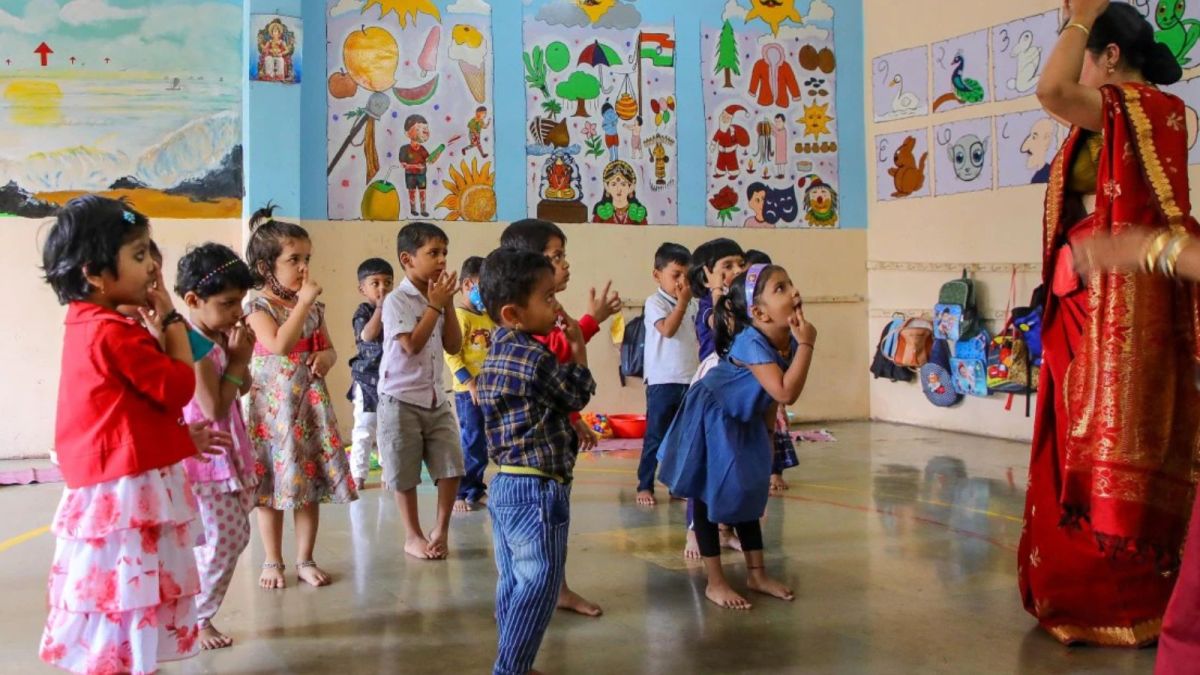
Social Comparison
Friends, neighbours, and relatives often compare school names — which adds to the pressure.
Stories from the Community
There are whispers of back-door entries, long waiting lists, and even rumours about how some parents try all kinds of tactics to secure seats. Even if most of these are exaggerated or unverified, they add to anxiety. (For example, situations in past years have included controversies over fake documents and EWS quota misuse — though not part of the current news, such stories circulate widely and heat up fears.)
Is the System Fair or Flawed?
The point system was designed with good intentions — to make admission more objective and transparent.
But in reality, it still leaves a lot of families anxious because:
-
The demand is far higher than available seats, especially in top schools.
-
Many parents still don’t fully understand how points are calculated, causing confusion.
-
Living closer to elite schools costs more, so some families feel the system indirectly favours wealthier neighbourhoods.
- In short, fairness exists — but the experience still feels stressful for many.
A Reality Check for Parents
For all the worry that surrounds nursery admission in Delhi, the core mission should remain simple: your child’s right to early education, growth, and happiness.
Remember:
- Not all good education starts in the most elite schools.
- Many children thrive in smaller, lesser-known schools with good teachers.
- If one admission round doesn’t work out, there are others — and alternatives too.
Nursery is the beginning of a long journey. The name of the first school does not define your child’s entire future — your care, love, and involvement in their learning does.
Final Thoughts
The nursery admission process in Delhi is intense — no doubt about it. The competition, the long waiting lists, and the emotional roller-coaster are all real. But underneath this worry lies a deeper truth: parents care deeply about their children and want the very best for them. That love — more than any school name — is what truly shapes a child’s future.
So to every parent reading this: take a deep breath, understand the process, prepare well, and keep your focus on the bigger picture — the lasting growth and happiness of your child.
Because in the end, that’s what school really should be about.