As the 2026 elections come near, the political climate in the US is getting hotter again. In the past, older generations have had a big impact on election results. But now, young voters are getting more attention than ever before. Gen Z and young Millennials are not only taking part; they are also changing the way people talk, what people post on social media, and even how parties plan.
But what do young voters really want in 2026? What problems are most important to them? And how are they different from the generations before them?
Let’s make it easier to understand.
1. Young voters know more about politics than they used to.
Young Americans today know more than they did in the past. Political news spreads faster than ever because of social media sites like TikTok, Instagram, and YouTube. A lot of young voters don’t just get their news from established sources. They get their ideas from independent creators, podcasts, and online conversations.
But this also means they get a lot of different information. Some people know a lot about policies, while others just follow the latest trends. But one thing is clear: young voters are no longer quiet about politics.

Important Notes:
- Social media has a big impact on how people think about politics.
- Short videos make people more aware.
- Political memes and activism online are very common.
- Campaigns headed by young people are getting stronger.
In 2026, this digital-first political culture is transforming the way people talk about elections.
2. The cost of living and the economy are the most important issues.
Most young Americans would tell you that money is the thing that troubles them the most.
Rent rates, inflation, job competitiveness, and student loans are all big sources of stress. A lot of recent college grads are having trouble paying for housing. People with steady work nonetheless worry about their long-term financial security.
Young voters are saying:
- Why are rents so high?
- Why is college so expensive?
- Is the job market steady?
- Will AI take over jobs?
The Democratic and Republican parties are both seeking to win over young voters by promising to improve the economy. But it’s not easy to convince young Americans. They want more than just campaign rhetoric; they want real answers.
3. The student loan crisis is still important
Student debt is still a huge deal in 2026. Many young voters think that college is getting too expensive relative to the jobs they get when they graduate.
Some think the system needs to change. Some people think that vocational training or skill-based certificates might be better options than regular degrees.
Young voters are talking about:
- Should we forgive student loans?
- Should the cost of tuition go down?
- Is college still a good idea?
This topic has a big effect on how college students and recent graduates vote.
4. Fears about AI and Job Security
In 2026, artificial intelligence is growing quickly. AI delivers new ideas, but it also makes people nervous. People who work in IT, marketing, design, and even coding are scared about automation.
Some people think AI could lead to new jobs. Some people are afraid about losing their jobs.
Young people who vote want:
- Clear rules for AI
- Policies to protect jobs
- Programs that help people learn new skills
- Help for entrepreneurs in the digital world
Young people are paying attention to political figures who talk about the effects of AI.
5. Climate change is still a big concern, but there are real solutions.
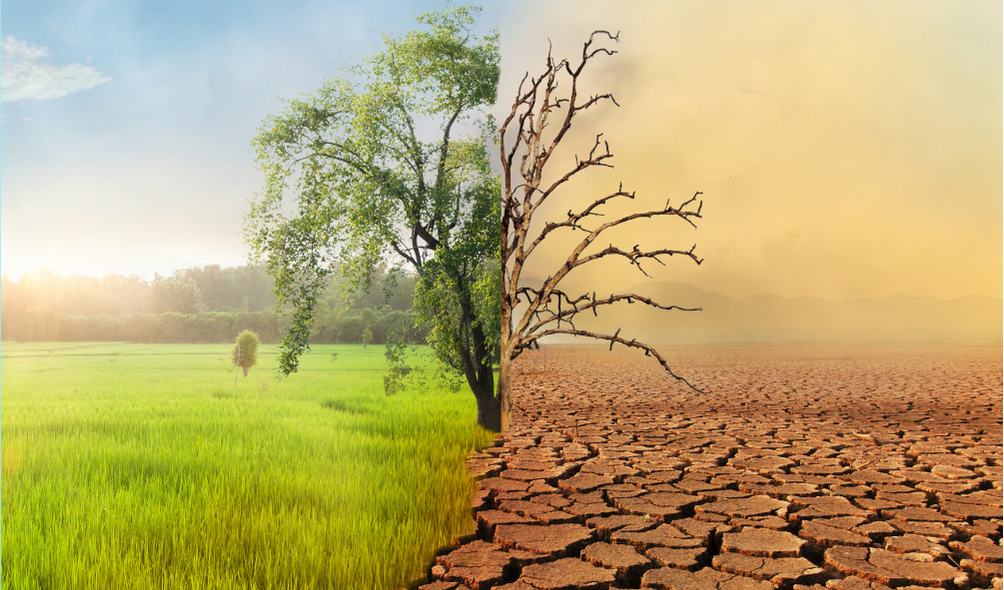
Young Americans still care a lot about climate warming. But their method is changing. It used to be largely about being alert. It’s time to act now.
What young voters want:
- Investing in renewable energy
- Infrastructure that lasts
- Jobs that are good for the environment
- Responsibility for the climate
They care less about speeches that make them feel good and more about how to make things happen.
6. Mental Health Is Now a Part of Political Debate
The focus on mental health is one big change in 2026. Young Americans talk openly about their worry, sadness, burnout, and addiction to technology.
They want policymakers to:
- Make healthcare more accessible
- Make therapy affordable
- Talk about how social media affects mental health.
- Support changes that help work-life balance
This is a new political dimension compared to past elections.
7. People don’t trust politicians too much.
Another key thing is trust. A lot of young voters don’t feel like they can relate to established leaders. They often say that politics is “outdated” or “out of touch.”
Things that young people often think are:
- Politicians don’t get what people are going through these days.
- Promises made during campaigns don’t often come true.
- Debates about politics are more about attacks than answers.
This is why independent candidates and younger leaders are getting more attention in 2026.
8. Identity politics and social issues
Young Americans really care about fairness, diversity, and inclusion. Social justice issues are still a big part of political discussions.
But in 2026, a lot of young voters are also tired of how divided things are. They would rather have calm conversations than party fights.
They want:
- Talk that is helpful
- Changes that work
- Leadership that is respectful
This shows that people are more mature in their political views than they used to be.
9. The part that social media influencers play in elections
Political awareness driven by influencers is a fascinating trend in 2026. Many young people learn about politics through online creators instead than traditional campaign commercials.
Some people who had an impact:
- Host political talks
- Make policies easy to understand
- Get people to sign up to vote
Political campaigns have to change how they do things because of this change.
10. Thinking for Yourself Instead of Following Your Party
Young voters are more open-minded than older voters, who tend to stick with one party. They look at each candidate on their own.
They don’t just support one side; they ask:
- What does this candidate think about AI?
- What do they plan to do with the economy?
- What is their plan for student loans?
This independent way of thinking makes young voters powerful yet hard to anticipate.
11. Will young people really vote?
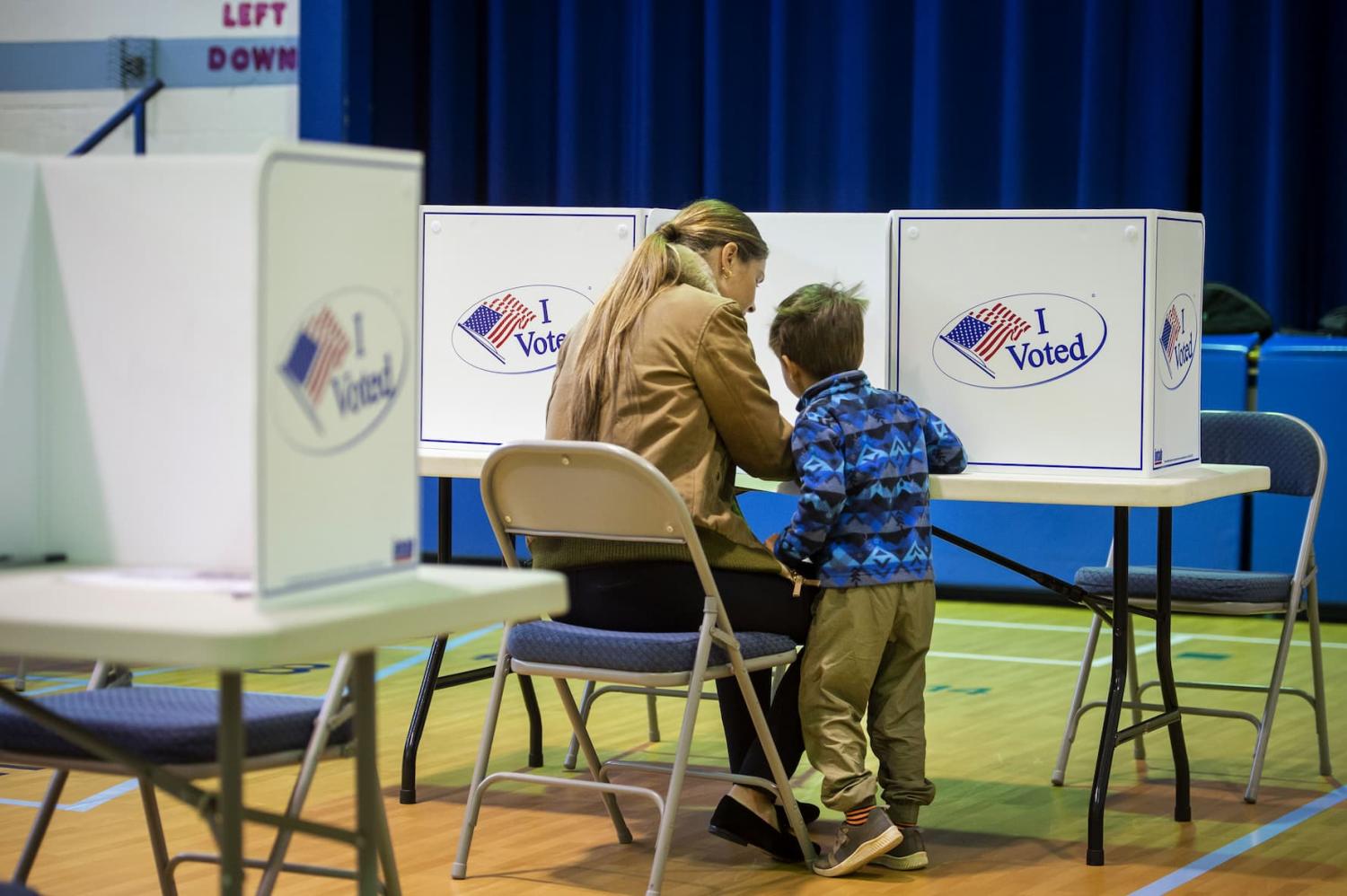
One significant concern is whether young voters will actually show up.
In earlier elections, young people who were excited online didn’t necessarily vote. But recent elections have proven that more and more young people are voting.
In 2026, campaigns are putting a lot of effort into:
- Simple registration for voters
- Awareness of early voting
- Programs for getting involved on campus
If more people vote, young voters could have a big effect on the results.
12. Changes in Political Values Across Generations
Gen Z has lived through:
- The pandemic
- AI growth is happening quickly.
- Problems with the climate
- Movements for social justice
- Unstable economy
These experiences affect their political beliefs in a different way than they do for earlier generations.
They put first:
- Steadiness
- Being fair
- Security online
- Long-term viability
In the next few years, this way of thinking about generations could change the political agenda.
13. The story in the news vs. what really happened
Sometimes, mainstream media shows young voters as either very progressive or very confused about politics. The truth is more complicated.
Young people in the US are:
- Worried about money
- Aware of social issues
- Advanced in technology
- Politically careful
They aren’t radical by nature. They are useful and look to the future.
14. What Could Make Young People Vote in 2026?
These things may have a big effect on young voters, based on trends:
- Plans for the economy that are clear
- Policies to safeguard jobs from AI
- Changes to student loans
- Realistic climate action with implementation
- Help with mental health
- Truthful communication
Young people are more likely to trust candidates who communicate effectively and provide them useful advice.
15. The Big Picture
The election in 2026 is more than simply about political parties. It’s about a change in generations. Young voters are slowly becoming the most important group of voters.
Their priorities show what problems people face today:
- Change in the digital world
- Financial stress
- Uncertainty around the world
- Fast changes in technology
Political systems need to change to fit these facts.
Final Thoughts
Young voters are having a big effect on the 2026 election in the United States. They are more aware, independent, and focused on the future than ever before. They worry a lot about mental health, climate action, student loans, AI’s effect on jobs, and the economy. But they also don’t believe in the promises that politicians make.
They don’t immediately support one party like previous generations did. They look closely at policies and ask for answers that make sense. If a lot more young people vote in 2026, it could change the political priorities for a long time. Not whether young voters care, but whether political leaders are willing to really listen to them is the true question.
The buzz is clear: young people in America are watching, thinking, and getting ready to make a choice.