Introduction
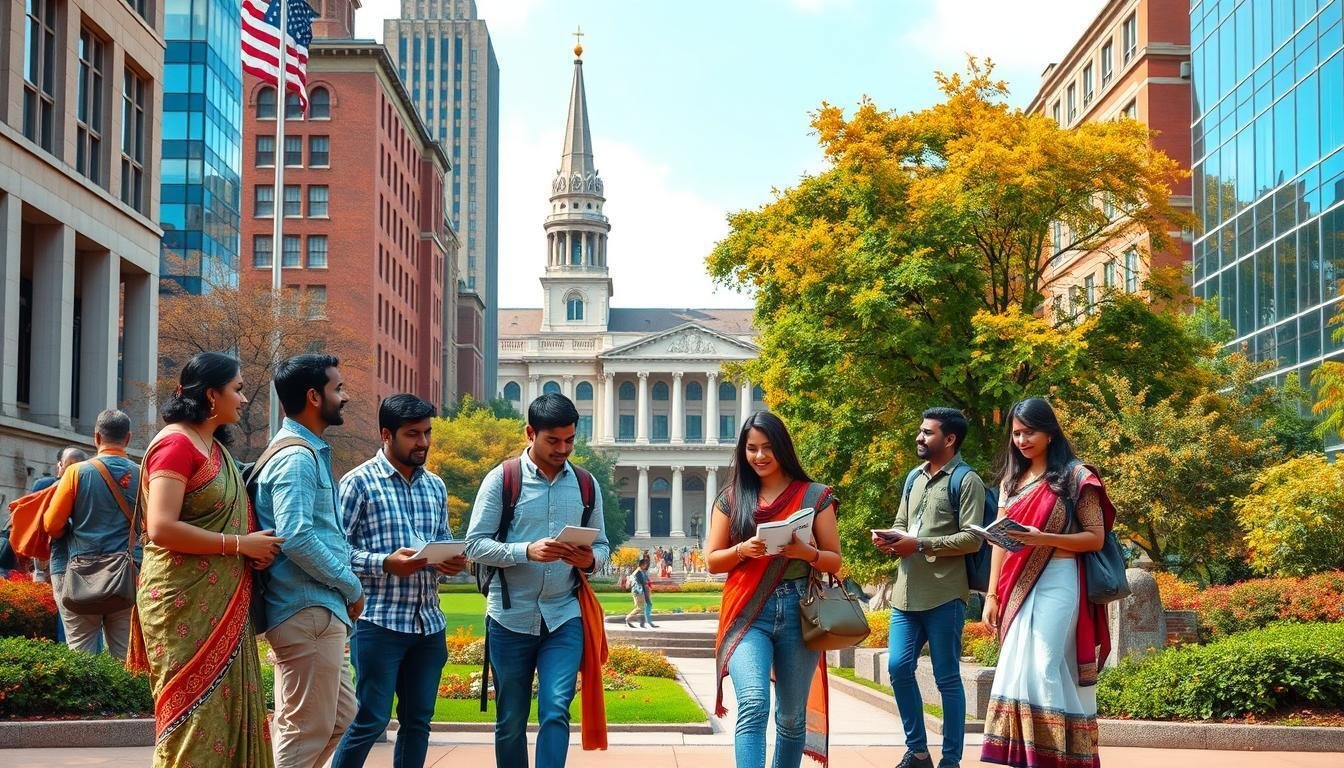
For lakhs of Indian students, studying in the United States is more than an academic goal—it is a life-changing dream. But recent developments in US education policy are creating waves of concern. A newly proposed bill aims to increase monitoring of foreign students and professors, raising important questions about privacy, opportunity, and the future of international education.
This shift reflects a broader global trend where education, immigration, and national security are becoming deeply interconnected. For students planning to study abroad, understanding these changes is no longer optional—it is essential.
What Is the New US Bill All About?
At the centre of the discussion is a proposed legislation known as the Education Visa Transparency Act, introduced by US Senator Tom Cotton.
The bill aims to expand the scope of the Student and Exchange Visitor Information System (SEVIS)—a database that currently tracks foreign students. If passed, the system will now include:
- Foreign students
- Professors
- Researchers
- Other visa-holding academic staff
This means universities would be required to share more detailed and regular information about international individuals connected to their institutions.
In simple terms, the US government wants greater visibility into who is studying, teaching, and researching in its universities.

Why is This Bill Being Introduced?
The reasoning behind the bill is rooted in national security concerns. According to lawmakers, there have been cases where sensitive research—especially in fields like biotechnology—could be misused or transferred illegally.
The bill argues that:
- Some foreign nationals may access critical research data
- There is a risk of intellectual property theft
- Stronger monitoring can prevent misuse of academic resources
Senator Tom Cotton emphasised that unmonitored access to labs and research centres could pose risks to national security.
However, this justification has sparked debate across academic communities worldwide.
How Will it Impact Indian Students?
India sends one of the largest numbers of students to the United States. Currently, over 3 lakh Indian students are studying there, many of whom are engaged in research roles.
If this bill becomes law, Indian students may experience:
- Increased Monitoring
Students’ academic activities, visa status, and possibly research involvement may be tracked more closely.
- Greater Accountability
Students will need to be more careful about documentation, research work, and compliance with visa rules.
- Psychological Pressure
The idea of constant monitoring may create stress or a sense of reduced freedom for some students.
- Impact on Research Opportunities
Some students may find it harder to access sensitive research areas, depending on new regulations.
In short, while opportunities remain, the environment could become more regulated and cautious.
What About Professors and Researchers?
The bill does not just focus on students—it extends to professors and academic staff as well.
This means:
- Foreign faculty members will also be tracked
- Universities must report their activities
- Research collaborations may come under scrutiny
This move could significantly change how global academic collaboration works, especially in high-tech or sensitive fields.
Concerns Raised by Experts and Universities
The academic world has reacted with mixed feelings. While some agree on the need for security, others fear unintended consequences.

Key concerns include:
- Privacy Issues: Continuous monitoring may violate academic freedom
- Decline in International Admissions: Students may prefer countries with fewer restrictions
- Impact on Innovation: Research thrives on openness and collaboration
Recent reports suggest that stricter monitoring proposals have already raised concerns among universities and academic groups about increased scrutiny of international students.
For many, the worry is simple: Will this make the US less welcoming for global talent?
The Bigger Picture: A Shift in US Education Policy
This bill is not an isolated move. It is part of a broader trend in the United States, where:
- Immigration policies are becoming stricter
- Work programmes like OPT are under review
- Universities are facing increased scrutiny
For example, ongoing discussions around the OPT (Optional Practical Training) programme—which allows students to work after graduation—have already created uncertainty among international students.
Together, these developments signal a shift towards tighter control over foreign participation in US education.
Should Indian Students Be Worried?
The situation may sound alarming, but it is important to stay balanced.
Here’s the reality:
- The bill is not yet passed
- The US still values international talent
- Top universities continue to welcome global students
However, students should be more aware and prepared than ever before.
Smart steps include:
- Keeping all documents and research records clear
- Understanding visa rules thoroughly
- Avoiding any academic or legal violations
- Staying updated with policy changes
Being informed is the best way to stay confident.
Opportunities Still Exist
Despite policy changes, the US remains one of the most attractive study destinations in the world. Its universities offer:
- World-class education
- Cutting-edge research facilities
- Strong career opportunities
- Global exposure
In fact, international students contribute billions to the US economy and play a key role in innovation.
So while rules may tighten, opportunities are far from disappearing.
FAQs
- What is the US new bill on foreign students?
It is a proposed law to increase monitoring of foreign students, professors, and academic staff through expanded data tracking systems.
- Will Indian students be affected?
Yes, Indian students may face increased monitoring and stricter compliance requirements.
- Is the bill already implemented?
No, the bill has been proposed but not yet passed into law.
- Why is the US introducing this bill?
The main reason is national security and protection of sensitive research.
- Should students still consider studying in the US?
Yes, but they should stay informed, cautious, and prepared for changing policies.
Final Thoughts
The dream of studying in the United States is evolving. Policies are changing, expectations are shifting, and the environment is becoming more structured. The proposed US new bill on foreign students is a reflection of this transformation.
But every challenge brings a new level of awareness. For students who are informed, prepared, and adaptable, opportunities still exist—perhaps even stronger than before.
The key is simple: stay alert, stay informed, and move forward with clarity.