Social media will no longer be made by people alone in 2026. AI influencers are a new type of digital celebrity that has become popular. These fake people look real, talk like real people, work with brands, and talk to followers, but they are not real. AI influencers are changing the creator economy in ways that seemed impossible just a few years ago. They use advanced AI, computer graphics, and data analysis to do this.
The more popular they get, the more people talk about them. Are AI influencers a big step forward in digital marketing and entertainment? Or are they a bad trend that makes things less clear, tricks people, and puts creativity at risk? The answer falls someplace in between.
What Exactly Are AI Influencers?
AI influencers, also called digital personas or virtual influencers, are computer-generated characters that act like people who make content for social media. They have names, personalities, histories, fashion styles, and online identities that stay the same. Some look so real that they could be real people, while others go for a more stylised or futuristic look.
A team of designers, AI engineers, content strategists, and marketers works behind these digital personalities. Advanced generative AI tools can make their own pictures, write captions, make voices, and even act out videos. Machine learning algorithms look at how people are interacting with content and change content strategies on the fly.
AI influencers are different from regular influencers in that they don’t have personal lives, feelings, or the ability to make decisions on their own. Everything about their identity is built and improved to get people to interact with them.
Why AI Influencers Are Rising in 2026
AI influencers are growing quickly for a reason. It is the outcome of technical innovation, changed customer behaviour, and developing brand strategy.
First, AI technology is now easier to use and more advanced. Generative AI can now make faces that seem real, speech that sounds authentic, and actions that look real. Video synthesis techniques let computer figures move around in real-world settings without having to pay for actual manufacturing. Advanced AI platforms can now perform things that used to need huge expenditures and specialist facilities.
Second, brands want to have more control over what they say. Human influences are real, but they may also be hard to foresee. Campaigns might be hurt by scandals, branding that doesn’t match up, or abrupt contract problems. AI influencers get rid of a lot of these concerns. They don’t get older, say things that surprise you, or go off script. Every partnership may be designed and carried out with care.
Third, younger people are more at ease with digital identities. Gen Z and Gen Alpha grew up playing games online, in virtual communities, and in augmented reality locations. Digital avatars don’t seem alien to them; they seem natural. In their daily lives, the divide between their physical and digital identities has already become less clear.
The Business Advantage of AI Influencers
From a business point of view, AI influencers provide a number of evident benefits.
One big plus is that it can grow. One AI influencer may work in several time zones, languages, and markets at the same time. You may quickly change content for different areas without having to visit or film again. International brands like them since they can work anywhere in the world.
Another thing to think about is cost-effectiveness. It may take money to build the design and AI infrastructure at first, but the recurring expenses are usually lower than paying human celebrities over and over again. There are no problems with scheduling, travel costs, or managing your own time.
AI influencers also give precise information based on data. Algorithms can find popular subjects, keep track of how people are interacting with material, and change content tactics to get the most out of it. Marketing relies less on guessing and more on data analysis.
These benefits are hard to overlook for firms that work in competitive digital spaces.
Audience Attraction and Digital Fascination
One reason AI influencers do well is that they get people curious. They are a mix of technology and creativity that looks to the future. A lot of people who follow them want to know how they are made and how lifelike they may get.
In certain circumstances, AI influencers are clearly shown to be fake. Like watching an animated series, followers know they are interacting with a made-up character. This openness may make the encounter fun instead than misleading.
But in certain circumstances, the fake nature may not be clear right once. Hyper-realistic AI influencers can look quite real, which makes people wonder about their legitimacy and honesty.
Even still, engagement levels are still high. AI influencers typically show perfect lives, perfect looks, and stories that make you want to be like them. Their content is well-written, consistent, and planned out to have an effect.
The Question of Authenticity
Influencer marketing has always been based on authenticity. People connect with artists because they share their stories, problems, and experiences. This model is challenged by AI influencers.
Can a character who hasn’t lived through anything be real?
Supporters say that social media has always been partly made up of real people. People who are influencers deliberately choose what they share about their life, edit images, and write stories. AI influencers are just an extreme version of a tendency that already exists.
Critics say that filtered reality and completely made-up identity are two very different things. When followers emotionally engage with a digital persona, they may be establishing relationships based on a false sense of reality rather than real-life experiences.
This makes people worry about honesty and emotional manipulation.
Unrealistic Standards and Psychological Impact
People have previously said that social media promotes unrealistic ideals of beauty and lifestyle. AI influences might make this problem worse.
AI influencers can have perfect symmetry, beautiful skin, and traits that are impossible to have in real life since they are made on a computer. They can make their surroundings perfect without worrying about how much it will cost or how practical it would be. Young people may have even higher criteria for comparing things.
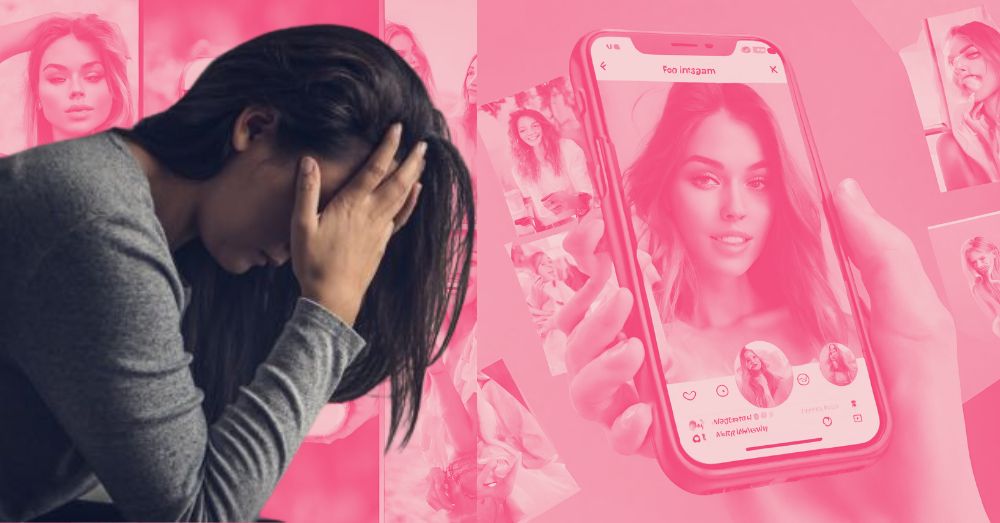
For teens and young adults, seeing digital perfection over and over again may hurt their self-esteem and body image. AI influencers may establish criteria that no person can naturally meet, whereas human influencers may at least remind their followers that they are genuine.
Researchers are currently looking into the psychological repercussions of being around manufactured perfection for a long time, but early worries suggest that people should be careful.
The Risk of Manipulation
Another big worry is the capacity to persuade. AI influencers are more than simply people who make content; they are also marketing tools that use data. Algorithms can look at how people act, how they feel, and how they buy things with a lot of precision.
This means that AI influencers may be improved to send very specific messages. They may change the tone, timing, and style of their messages to have the most effect on certain groups of people.
When persuasion gets better through algorithms, it becomes harder to tell right from wrong. Are consumers making their own decisions, or are they being discreetly led by data-driven manipulation?
In areas like fashion or consumer goods, this might not seem too bad. But if AI influencers start giving out financial, political, or health advice, the results might be much worse.
Impact on Human Creators
The advent of AI influencers will have an effect on human influencers. Millions of people across the world now work in social media influencing as a real job. If marketers spend more money on digital characters, real artists may have less chances to work.
But AI probably won’t be able to completely take over human influencers. People still appreciate being relatable, open, and sharing real-life experiences. Real artists can offer their own stories, blunders, and emotional growth—things that AI can’t really copy.
A hybrid model may come out instead of a replacement. AI technologies may help human influencers produce more material, edit it faster, or come up with new ideas. It may be more frequent for people and AI to work together than against each other.
Transparency and Regulation
As AI influencers get better at looking real, rules become more crucial. Should platforms make it obvious that AI-generated characters are real? Should there be guidelines about what AI-driven marketing efforts have to tell people?
Some social media sites have already started to create rules for material generated by AI. Clear labelling helps keep users from being fooled and keeps their confidence.
Governments can also step in to control how data is used, how ads are made, and the hazards of false information. If there is no control, AI influencers might be used to propagate fake stories or change how people think.
Responsible growth and clear moral guidelines will decide if AI influencers stay useful tools or become troublesome digital actors.
Cultural and Social Implications
AI influencers are more than just a marketing tool; they show a bigger change in culture. People are getting used to having virtual identities. Digital avatars, virtual reality settings, and AI friends are all becoming a part of everyday life.
AI influencers are a part of this change. They show that being present online may be just as important as being there in person.
But this change also makes us rethink what we think we know about identity and connection. What happens to interactions between individuals when more and more people engage with fake personalities? Does digital convenience take the place of real-life interaction?
AI influencers alone won’t change civilisation, but they are part of a bigger discourse about how technology affects culture.
Innovation or Danger?
Saying that AI influencers are just hazardous misses their creative side. They are a new mix of art, storytelling, and cutting-edge technology. They make it possible for people to express themselves digitally and market to others all over the world.
It would be wrong to ignore ethical considerations at the same time. Thoughtful consideration must be given to issues of authenticity, psychological impact, data privacy, and manipulation.
Technology is not good or bad in and of itself. The effects depend on how it is created, put into use, and controlled.
AI influencers may live in harmony with human creators and improve digital culture if they are open, ethically run, and employed appropriately. If they are utilised in a dishonest or harmful way, they might make issues in social media ecosystems worse.
The Future of AI Influencers
In the future, AI influencers will probably be more engaging and tailored to each user. Improvements in conversational AI might make it possible for followers to talk to virtual people in real time. It may be feasible to create personalised AI influencers that are based on each person’s likes and dislikes.
Think of a time where everyone has their own digital influencer that is made just for them based on their hobbies, sense of humour, and beliefs. This may sound like something from the future, yet the technology behind it is already moving quickly.
This kind of customisation might make people more interested, but it could also make people more worried about being manipulated and their privacy.
Conclusion
The introduction of AI influencers in 2026 is a big step forward in the development of digital culture. They are genuine, have a lot of power, and are quickly spreading to many fields. They provide brands control, efficiency, and new ideas. They entertain and interest people in technology.
But they also make us question what we know about authenticity, identity, and trust. AI influencers might make it hard to tell what’s genuine and what’s not, which could hurt social trust, if there isn’t any transparency or ethical monitoring.
In the end, whether AI influencers are a bad trend or a creative revolution depends on how people choose to deal with them. As AI continues to change the media, developers, companies, platforms, regulators, and users all have a role to play.
The future of influence may not be completely in the hands of people or robots, but rather in a complicated collaboration between the two.