Introduction
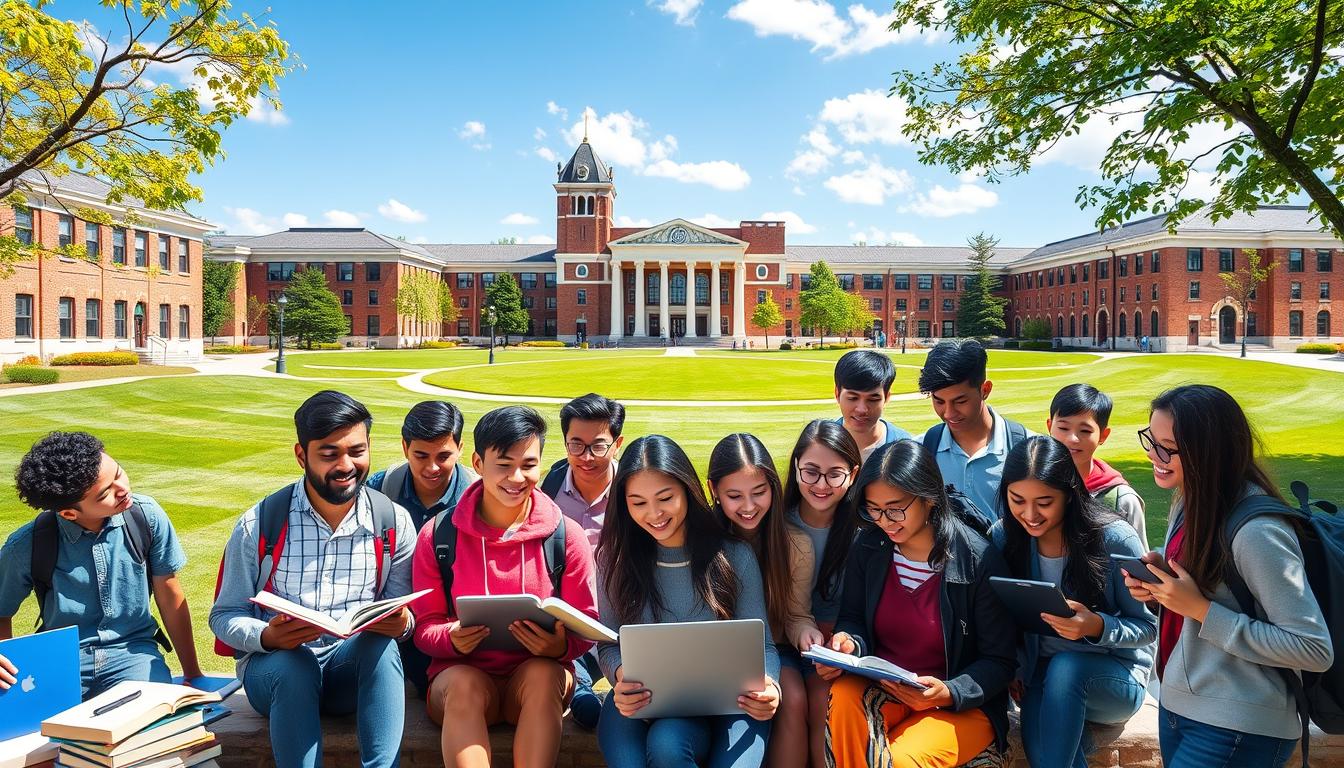
There is a quiet moment that almost every student experiences at some point. It usually happens late at night, when the world is silent, and the mind begins to wander. A student scrolls through images of grand university campuses in the United States—green lawns, modern classrooms, libraries filled with endless books—and imagines walking through those corridors one day. For a few minutes, the dream feels real.
Then comes the reality check. Tuition fees appear on the screen. Living expenses are calculated. Currency conversion hits hard. And suddenly, that dream feels like something meant for someone else. Slowly, almost silently, it begins to fade.
But what if that moment of doubt is built on incomplete understanding? What if the cost that scares so many students is not the whole story? The truth is, studying in the United States can be expensive—but it is not always as unreachable as it appears. There are pathways, systems, and opportunities that many students simply do not know about. And once those doors become visible, the journey begins to look very different.
The Myth That Stops Most Students Before They Begin
One of the biggest reasons students give up early is a simple belief: studying in the USA requires a lot of money. This idea is repeated so often that it begins to feel like an unquestionable truth. Families discuss it, relatives confirm it, and students accept it without exploring further.
Yet, if one looks closely, this belief starts to crack. Universities in the United States display high tuition fees, yes, but that is not what every student actually pays. In reality, a large number of students receive financial support in different forms. Scholarships, grants, assistantships, and part-time opportunities reduce the financial burden significantly.
The difference between those who manage to study abroad and those who do not often lies not in their financial background, but in their awareness. Some students stop at the cost. Others go one step further and ask a different question: how can this cost be reduced? That single question opens up a completely new world.
Understanding Why Universities Offer Financial Support
To truly understand how studying in the USA can become affordable, it is important to understand how the system works. Universities in the United States are not just centres of education. They are institutions that compete globally for talent. They want students who bring ideas, diversity, creativity, and potential.
This is why financial support exists. It is not charity—it is an investment. Universities invest in students who they believe will contribute to their academic environment. This contribution could come in many forms: academic excellence, research potential, leadership ability, or even unique life experiences.
Once this perspective becomes clear, everything changes. Instead of seeing yourself as someone asking for help, you begin to see yourself as someone who can offer value. And that shift in thinking is powerful.
Scholarships: Not Luck, but Strategy
When people hear the word “scholarship,” they often think of it as something rare or reserved for toppers. But scholarships are not just about marks, and they are certainly not based on luck alone. They are the result of careful preparation and positioning.
A strong scholarship application tells a story. It shows consistency in academics, involvement in activities beyond the classroom, and a clear sense of purpose. Universities want to understand who you are, what drives you, and how you plan to use your education.
This is where many students make a critical mistake. They focus only on marks and ignore everything else. But in reality, a student with balanced achievements and a compelling story often stands out more than someone with perfect scores but no direction.
The process of applying for scholarships requires effort—researching options, preparing documents, writing statements—but it is a path that has transformed the lives of countless students. And it remains one of the most direct ways to reduce or even eliminate the cost of studying in the USA.

The Underrated Power of Starting Small
There is a tendency among students to aim directly for the biggest and most famous universities. While ambition is important, it sometimes blinds students to smarter, more practical routes. One such route is starting with community colleges.
Community colleges offer a unique advantage. They provide quality education at a significantly lower cost. Students can complete the first two years of their degree here and then transfer to a larger university. By the time they make this transition, they are more familiar with the system, better prepared academically, and often in a stronger position to secure funding.
This approach may not sound glamorous at first, but it is highly effective. It allows students to reduce costs without compromising on their long-term goals. Sometimes, taking a step back at the beginning helps you move much further ahead in the end.
Earning While Learning: A Reality for Many Students
Another aspect of the American education system that surprises many is the opportunity to work while studying. Universities often provide roles such as teaching assistants or research assistants, especially for graduate students. These roles are not just jobs—they are learning experiences.
Students who take up these responsibilities gain practical exposure, build relationships with professors, and earn a stipend that helps cover their expenses. In some cases, these positions also come with tuition benefits, making education even more affordable.
Even outside of assistantships, part-time jobs on campus provide an additional source of income. While these may not cover all expenses, they certainly reduce the financial pressure and help students become more independent.
The Silent Influence of Location
One factor that many students underestimate is location. The cost of living in the United States varies widely depending on where you choose to study. Big cities like New York or Los Angeles are exciting but expensive. Smaller towns, on the other hand, offer a quieter environment and significantly lower costs.
This difference can have a major impact on your overall budget. Rent, food, and daily expenses add up quickly in urban areas, while they remain manageable in smaller communities. Choosing the right location is not just a financial decision—it also shapes your lifestyle and experience.
Students who plan wisely often choose universities in affordable regions, allowing them to make the most of their resources. It is a reminder that sometimes, the smartest decisions are not the most obvious ones.
Lifestyle Choices: The Hidden Factor in Affordability
Even with financial support, the way a student chooses to live plays an important role in managing expenses. Students who succeed in maintaining a low-cost lifestyle often make simple but effective choices. They share accommodation, cook their own meals, and make use of student discounts wherever possible.
These decisions may seem small individually, but together they create a significant difference. It is not about sacrificing comfort—it is about being mindful. Over time, these habits not only save money but also build a sense of responsibility and independence.
The Emotional Side of the Journey
Beyond finances and logistics, there is an emotional journey that every student goes through. Applying to universities, waiting for responses, facing rejections—it can be overwhelming. There are moments of doubt, moments when giving up feels easier than continuing.
But this is also where growth happens. Each application teaches something new. Each rejection builds resilience. And each small success brings renewed confidence. Students who eventually make it are not always the most talented—they are often the ones who refuse to stop trying.
A Necessary Reality Check
It is important to be honest here. Studying in the USA is not always completely free from the beginning. There are initial costs such as application fees, visa charges, and travel expenses. These are part of the process and need to be planned for.
However, compared to the overall cost of education, these expenses are relatively small. And once a student secures funding or finds a sustainable routine, the journey becomes much more manageable.
Changing the Way You Think About It
Perhaps the most important shift a student can make is in their mindset. Instead of focusing on what seems impossible, it helps to focus on what is possible with the right approach.
The question is not whether studying in the USA is expensive. The question is whether you are willing to explore ways to make it affordable. This shift transforms hesitation into action.
Final Thoughts
The dream of studying in the United States is not reserved for a select few. It is a path that exists, but it requires awareness, effort, and persistence. It is not about shortcuts or overnight success. It is about understanding the system and navigating it intelligently.
There will be challenges along the way. There will be moments of uncertainty. But there will also be opportunities—real, tangible opportunities—that can change the course of your life.
In the end, the difference between those who reach their destination and those who do not often comes down to one thing: the willingness to keep moving forward, even when the path is not clear.
Because sometimes, the dream is not out of reach. It is simply waiting to be understood better.