The global education system often tells a hopeful story—study hard, earn a degree, build a better life. But in the United States, that promise is increasingly shadowed by a harsh reality: student debt has become a national crisis.
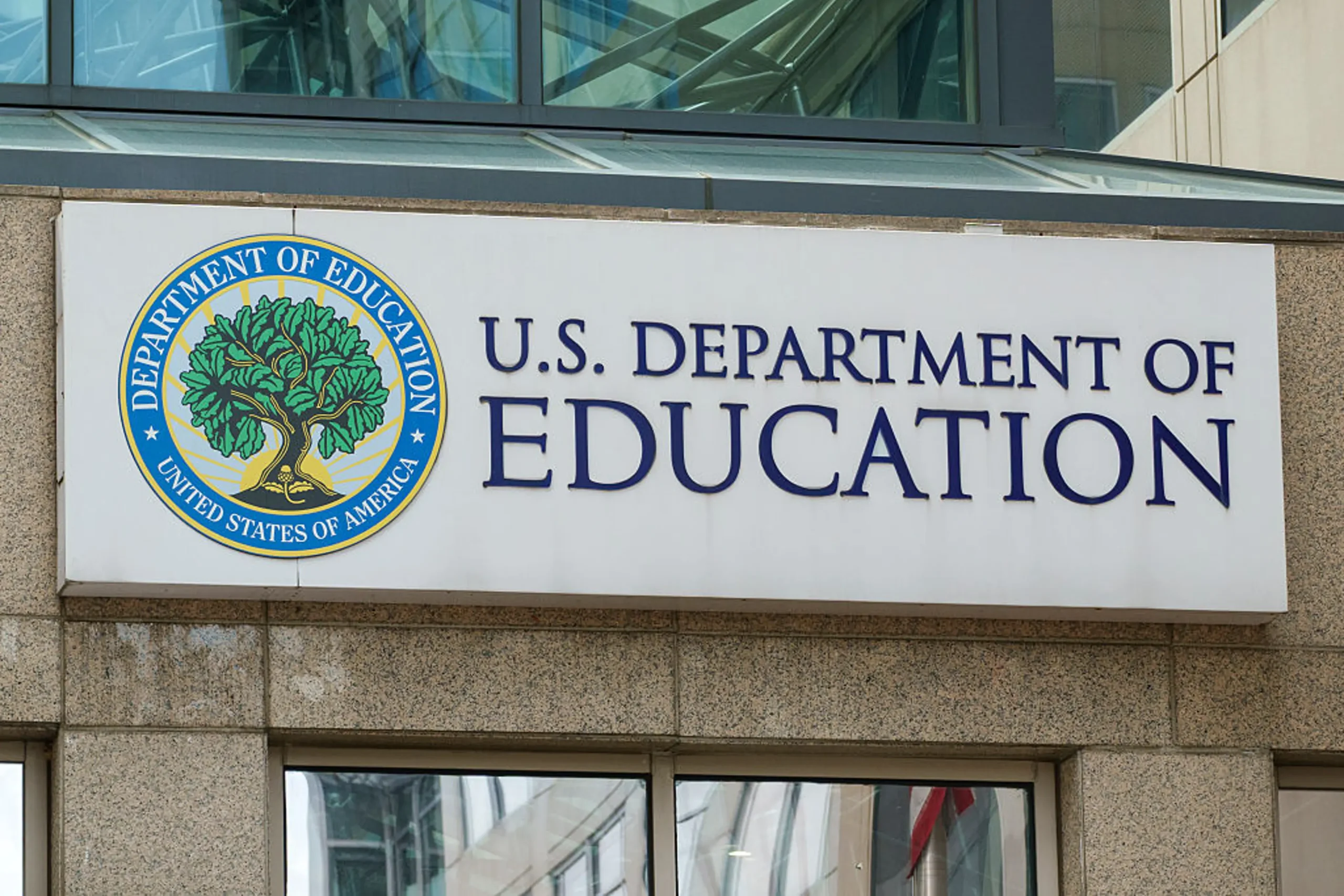
Now, in a dramatic and controversial move, the US government has begun shifting control of student loans from the Department of Education to the Treasury Department. This is not just a bureaucratic reshuffle—it is a turning point that could redefine how education is funded, managed, and experienced.
Let’s unpack what’s happening, why it matters, and what it means for millions of students and families.
A System Under Pressure
The scale of student debt in the United States is staggering.
- Total student loan debt: $1.7 trillion
- Borrowers affected: 40+ million Americans
- Borrowers in default: around 9 million
This isn’t just a financial statistic—it’s a social reality affecting careers, marriages, home ownership, and mental health.
Even more concerning, fewer than half of borrowers are actively making payments, while nearly a quarter have already defaulted.
This signals a system under immense stress.
The Big Shift: Loans Moving to the Treasury
In March 2026, the US government announced a major structural change.
The Department of Education, which has managed student loans for over 40 years, is now transferring part of its portfolio to the Treasury Department.
Initially, the Treasury will take control of defaulted loans worth about $180 billion, which is roughly 11% of the total loan portfolio.
But this is only the beginning.
The long-term plan suggests that the entire student loan system could eventually be managed by the Treasury.

Why is This Happening?
At first glance, the move seems technical. But beneath it lies a deeper political and economic strategy.
-
Dismantling the Education Department
The shift is part of a broader plan to reduce the role of the Department of Education.
While Congress must formally approve any closure, responsibilities are already being redistributed.
-
Financial Expertise Argument
Government officials argue that the Treasury is better equipped to manage large-scale financial operations and debt recovery.
After all, the Treasury already handles tax collection, debt issuance, and financial enforcement.
-
Rising Defaults
With millions of borrowers falling behind, the system requires stronger recovery mechanisms.
The Treasury has tools like:
- Wage garnishment
- Tax refund interception
- Debt recovery systems
These could make collections more efficient—but also more aggressive.
What Happens to Borrowers Now?
Here’s where things get real.
Despite the structural shift, borrowers are not required to take immediate action.
- Loan servicers remain the same
- Payment processes stay unchanged (for now)
- Defaulted borrowers can still seek rehabilitation
But the long-term implications are significant.
The Silent Anxiety Among Borrowers
While officials promise a smooth transition, many borrowers are uneasy.
Critics argue that:
- The system is becoming more complex and confusing
- Borrowers may struggle to understand new rules
- Errors in collection could have serious financial consequences
As one advocate warned, mistakes in such a massive system could have “devastating effects on families.”
This isn’t just about policy—it’s about trust.
The End of Familiar Repayment Systems?
Another layer of uncertainty comes from changes in repayment programmes.
Recent developments include:
- Cancellation of certain income-driven repayment plans
- Introduction of new, potentially stricter repayment models
- Longer timelines for loan forgiveness (up to 30 years)
For borrowers, this means one thing:
the rules of the game are changing—and fast.
A Crisis Years in the Making
To understand this moment, we need to step back.
The student debt crisis didn’t appear overnight.
Rising Tuition Costs
College fees in the US have steadily increased for decades, often outpacing inflation.
Easy Access to Loans
Federal loans made higher education accessible—but also normalised borrowing.
Weak Financial Literacy
Many students sign loan agreements without fully understanding long-term implications.
Policy Instability
Frequent changes in repayment and forgiveness policies have created confusion.
The Human Side of the Crisis
Behind every statistic is a personal story.
- A graduate delaying marriage due to debt
- A family unable to buy a home
- A young professional stuck in a job they dislike
Student debt doesn’t just affect finances—it shapes life decisions.
And when millions face the same burden, it becomes a societal issue.
Treasury Takeover: Efficiency or Enforcement?
Supporters of the move argue that it will bring discipline and efficiency.
The Treasury:
- Has strong financial infrastructure
- Can streamline collections
- May reduce mismanagement
But critics see a different picture.
They worry about:
- Increased enforcement pressure
- Reduced borrower support
- A shift from “education support” to “debt recovery”
This raises a critical question:
Is education being treated as an investment—or just a loan to be collected?
What This Means for Future Students
If this transition continues, future students may face a very different system.
Stricter Borrowing Rules
Limits on loan amounts could increase.
Reduced Flexibility
Fewer repayment options may be available.
Higher Accountability
Borrowers may face stricter consequences for default.
In short, education financing may become more cautious—and less forgiving.
Global Lessons from the US Crisis
Countries like India can learn valuable lessons from this situation.
- Avoid Over-Reliance on Loans
Education should not push students into long-term debt traps.
- Focus on Affordability
Affordable public education is crucial.
- Build Skill-Based Systems
Degrees should lead to employability—not just certificates.

The Road Ahead
The transition to the Treasury is still unfolding.
Key uncertainties remain:
- Will the full portfolio be transferred?
- How will borrower protections evolve?
- Will legal challenges slow down the process?
One thing is clear—the system is in flux.
Final Thoughts: A Turning Point in Education Finance
The US student loan crisis is no longer just about debt.
It is about:
- The value of education
- The role of government
- The balance between opportunity and responsibility
The move to shift loans to the Treasury signals a deeper transformation.
It reflects a shift from supporting education to managing financial risk.
And in that shift lies a powerful question:
Should education open doors—or create lifelong debt?