Introduction: What Is It Really Like to Live at Harvard?
People think of Harvard as a place with old libraries, serious students carrying heavy books, and professors talking about hard ideas.
But student life at Harvard isn’t like a black-and-white movie about school.
It is talking late at night in the hallways of dorms.
Debate competitions that go on till midnight are what they are.
It’s friendships that grow when people are stressed out together.
It is laughing in old dining rooms.
Yes, the schoolwork is hard. But behind the reputation is a very real experience full of ambition, doubt, growth, insecurity, discovery, and change.
Let’s go beyond rankings and see what life is really like every day.
The First Year: Excitement Meets Intimidation
For a lot of freshman, the first day of school feels like a dream.
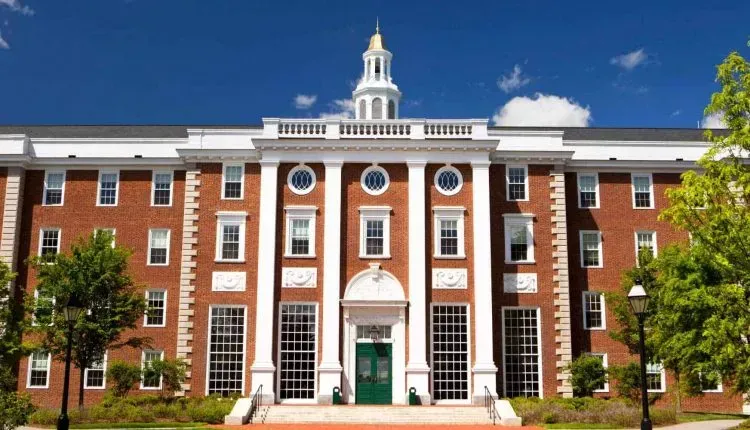
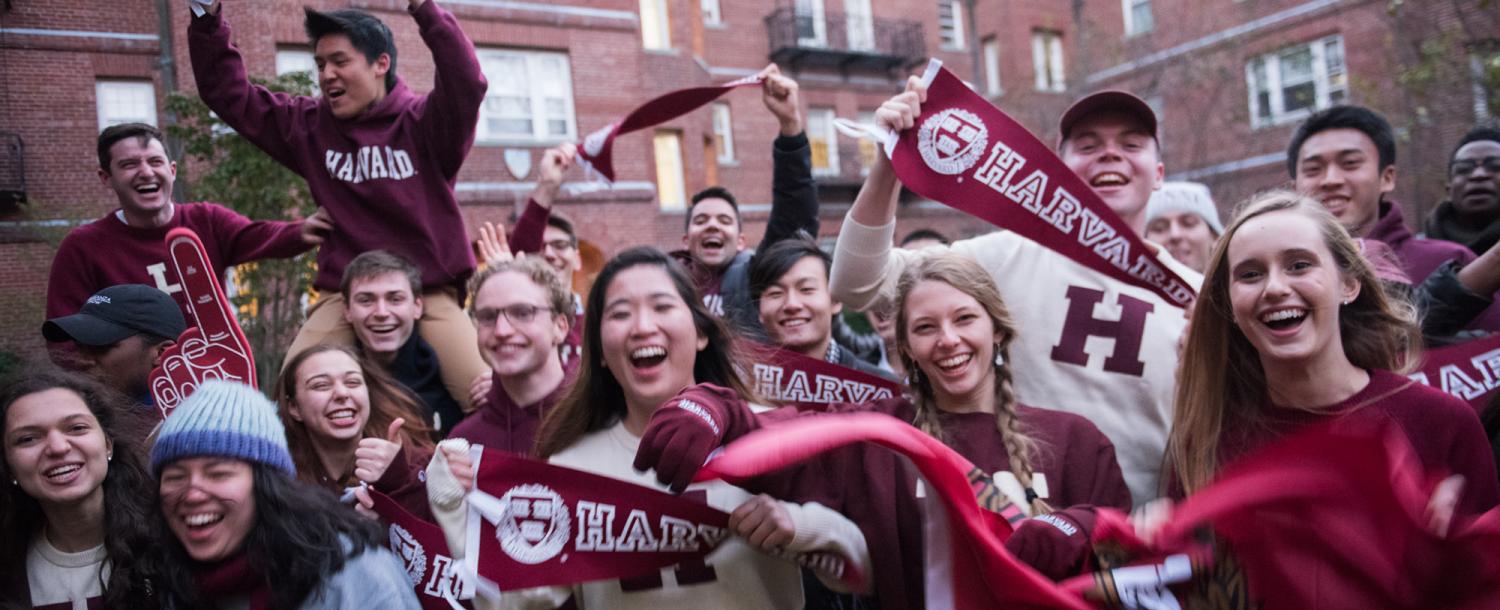
Students move into old dorms in Harvard Yard, which is flanked by red-brick structures and hundreds of years of academic history.
But underneath the excitement is a silent fear.
Most of the students were the best in their schools. All of a sudden, they are surrounded by other smart people.
A lot of people have this problem, which is often called “imposter syndrome.”
Students wonder:
- Am I really a part of this?
- Am I as good as everyone else?
That feeling of insecurity fades over time. Experiences that are shared boost self-esteem.
At first, living as a student at Harvard is stressful, but it slowly turns into a sense of belonging.
Residential Houses: The Heart of Community
After the first year, students are assigned to one of Harvard’s residential houses.
These houses are more than dorms. They are micro-communities.
Each house has:
- Dining halls
- Study spaces
- Social traditions
- Faculty deans
- House events
Students often describe their house as their second family.
Rivalries between houses create playful competition. Traditions build loyalty. Shared meals create familiarity.
In such a competitive academic environment, these communities provide emotional grounding.
Academic Intensity: The Reality of Rigor
Let’s not romanticise it.
Academics at Harvard are demanding.
Courses move quickly. Expectations are high. Discussions are intellectually rigorous.
Students frequently spend long hours:
- In libraries
- In research labs
- Preparing presentations
- Writing detailed papers
However, professors encourage curiosity rather than passive memorisation.
Classrooms often feel like intellectual battlegrounds — ideas challenged respectfully but sharply.
The workload can feel overwhelming at times. But many students describe it as stimulating rather than suffocating.
Pressure exists — but so does purpose.
Clubs, Organisations, and Extracurricular Energy
Student life at Harvard extends far beyond academics.
There are hundreds of student organisations, including:
- Debate societies
- Cultural associations
- Theatre groups
- Music ensembles
- Political clubs
- Entrepreneurship forums
- Community service initiatives

The Harvard Crimson (student newspaper) and various performance groups hold historic reputations.
Participation is competitive in some clubs, but once inside, students build powerful networks.
Extracurricular life is not filler. It often shapes identity and future careers.
Diversity and Global Exposure
Harvard attracts students from across the world.
Walk through campus, and you’ll hear multiple languages in a single afternoon.
Students bring:
- Different cultural traditions
- Varied political opinions
- Distinct socioeconomic backgrounds
This diversity creates both opportunity and tension.
Conversations can be intellectually challenging — especially on global politics, social justice, and policy issues.
But exposure to differing viewpoints broadens perspective.
Student life at Harvard often becomes a crash course in global citizenship.
The Social Scene: More Balanced Than You Think
There is a stereotype that Harvard students never relax.
It’s not entirely true.
Students attend:
- House parties
- Cultural festivals
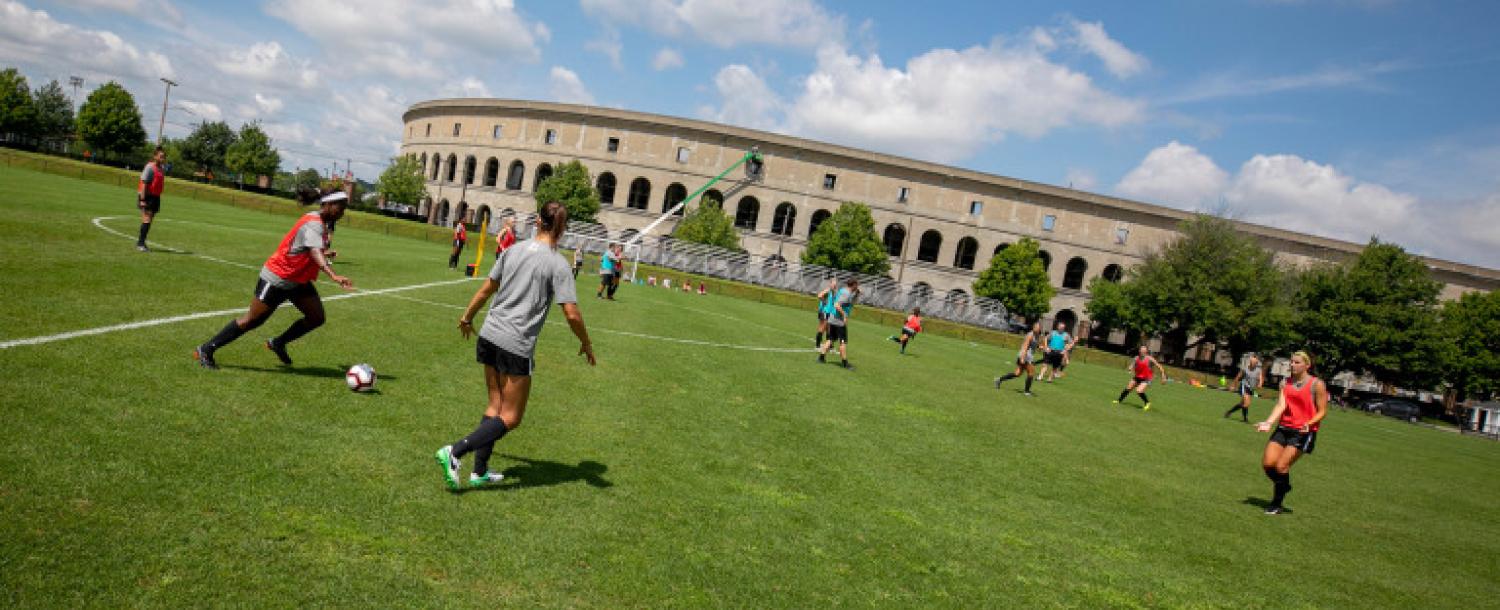
- Sporting events
- Open mic nights
- Guest lectures with global leaders
There is humour on campus. There is creativity. There is occasional chaos during exam weeks.
Balance varies by individual.
Some students thrive on constant activity. Others carve quiet routines.
The social life may not resemble a typical party-heavy university culture, but it is far from lifeless.
Mental Health and Pressure
The competitive environment inevitably brings stress.
High-achieving students often struggle with:
- Perfectionism
- Comparison
- Fear of failure
- Burnout
In recent years, Harvard has added more mental health services because it knows how hard these pressures can be.
Counselling resources, peer support groups, and wellness programs all work to make asking for help normal.
Life as a student at Harvard is enjoyable, but it requires emotional strength.
Recognising vulnerability is becoming more common on college campuses.
Cambridge and Boston: The Extended Campus
Location shapes experience.
Harvard sits in Cambridge, Massachusetts, near Boston.
Students have access to:
- Museums
- Startup ecosystems
- Research hospitals
- Internship opportunities
- Cultural events
The city environment offers independence beyond campus boundaries.
A student can attend a lecture by a Nobel laureate in the morning and explore a music festival at night.
Urban access enhances student life significantly.
Dining Halls and Daily Rituals
It might sound minor, but shared meals define student culture.
Harvard’s dining halls become social hubs.
Students debate ideas over breakfast.
Celebrate birthdays over dinner.
Study quietly with headphones during late-night meals.
These daily rituals create routine within intensity.
Friendships often deepen over ordinary moments — not dramatic milestones.
Career Preparation from Day One
Career planning begins early.
Students attend:
- Networking events
- Internship fairs
- Research symposiums
- Alumni mentorship sessions
The Harvard name opens doors, but initiative determines outcomes.
Students often secure internships in:
- Government offices
- Investment banks
- Research labs
- Global NGOs
- Technology companies
Career preparation integrates into student life naturally.
Ambition becomes a shared language.
Traditions That Create Memory
Harvard has traditions that blend humour and history.
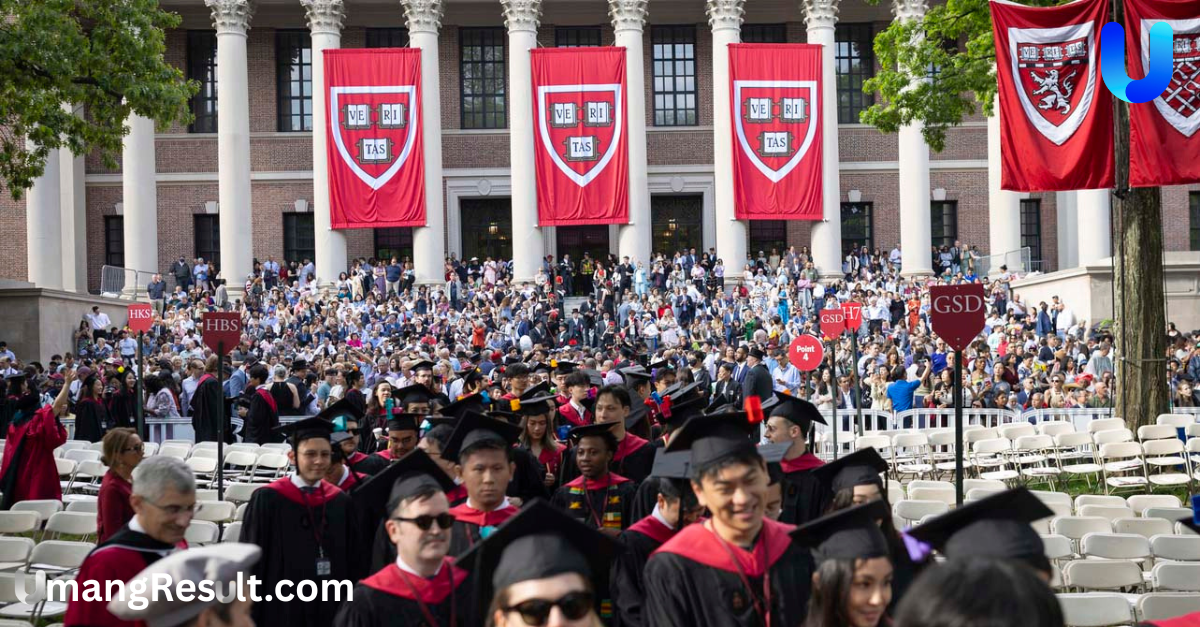
From house formals to graduation ceremonies in historic settings, students participate in rituals that feel timeless.
These traditions reinforce continuity.
Students become part of something older than themselves.
And that sense of legacy shapes emotional attachment.
The Downsides: Let’s Be Honest
Not everything is ideal.
Some students feel:
- Intense competition
- Social hierarchy
- Pressure to overachieve
- Limited free time
Elite environments can sometimes amplify comparison.
Harvard is not a magical space free of insecurity.
But for many students, the growth outweighs the discomfort.
Final Reflection: A Place That Transforms
Student life at Harvard is not simply about grades.
It is about:
- Intellectual sharpening
- Emotional endurance
- Global exposure
- Personal reinvention
Students arrive as high achievers.
They leave as individuals shaped by challenge, debate, failure, friendship, and ambition.
The red-brick buildings hold centuries of stories.
Each generation adds its own.
And beneath the global prestige lies something deeply human — young people figuring out who they are in one of the world’s most demanding environments.