In 2026, working from home is no longer just a test; it’s a key part of the modern workforce. But the fundamental issue is still whether remote work will always be around or if it will progressively go away as firms urge workers back to the office.
It’s not easy to answer. Remote employment is still around, but it has changed.
The Shift From “Fully Remote” to “Flexible Hybrid”
In the early 2020s, remote work grew quickly because it was needed. Companies will have had time to reassess their long-term plans by 2026, though. A lot of companies have stopped using entirely remote models and instead switched to hybrid architectures.
![Hybrid vs Remote: All About Each Work Environment [2024]](https://www.officernd.com/wp-content/uploads/2023/11/hybrid-vs-remote.jpeg)
People who work now typically spend time at both home and work. Companies say that working together in person makes people more creative, helps them get to know each other better, and makes them more productive. They also realise that many workers want flexibility without question.
So, remote work isn’t gone; it’s changed into flexible work.
Why Remote Work Is Still Strong in 2026
Even if certain sectors need employees to go back to the office, remote work is still quite useful for a number of reasons.
First, technology has grown up. AI-powered collaboration tools, virtual offices, and smart workflow systems make it easier than ever to work together at a distance. Teams can work well from anywhere thanks to productivity tracking, communication tools, and cloud technologies.
Second, hiring from throughout the world has grown. Instead of only hiring people from one city, companies today look for talent in many other nations. This lets firms save money while still getting a wide range of skills. For a lot of IT organisations and startups, employing people from far away is a big plus.
Third, what employees anticipate has changed. Generation Z and Millennials put mental health, flexibility, and work-life balance at the top of their lists. If they have to work certain hours in an office, a lot of people are eager to change employment. Employers who don’t pay attention to this change might lose their best workers.
Why Some Companies Are Pulling Back
Not every company is entirely on board with remote employment, though. Some big companies are making it harder to go to work in 2026.
There are a few explanations for this change.
Leadership teams say that creativity might suffer in circumstances where everyone is working from home. It’s tougher to develop team culture, have spontaneous chats, and have mentorship moments online. Some managers also think that it’s simpler to monitor productivity in person.
Real estate investment is another element. Companies that possess big office buildings may wish to explain why they are spending so much money. Also, several government sectors, banking, and manufacturing need people to be there in person for security or operational reasons.
In certain companies, this kind of setup has caused problems between the bosses and the workers.
The Rise of Remote-First Startups
While big companies argue over remote work regulations, startups in 2026 are more sure about using remote-first methods.
From the outset, remote-first firms plan their operations around teams that work from different places. They cut down on overhead costs, employ people from all over the world, and put the money they save back into expansion and product development. AI systems aid with project management, automate tasks, and make less work for managers.
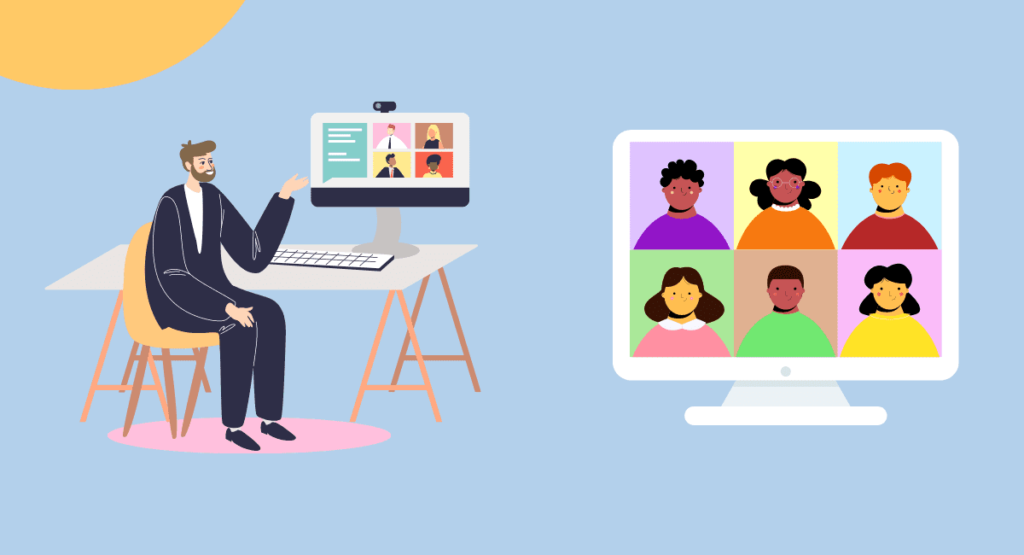
For entrepreneurs who are just starting out, working from home frequently makes sense financially. They may focus on growing their product instead of investing a lot of money on office infrastructure.
Because of this, remote work is a big part of the startup world.
Economic and Global Impact
Remote labour in 2026 is also having an effect on the economy throughout the world. As professionals leave pricey cities, smaller cities and rural areas are growing. International workers are moving to new places because of digital nomad visas and laws that make it easy to work from home.
At the same time, there are more people looking for work. Workers now have to compete with talent from all around the world since firms may recruit people from anywhere. This has made it harder to improve skills and get more done.
Remote employment has made the job market more global.
Productivity: Better or Worse?
One of the most talked-about issues with working from home is productivity. Recent studies and business reports have shown varied results.
Some workers say they are more productive since they have fewer interruptions at work and less time spent commuting. Some people have trouble with feeling alone, not knowing when to stop working, and being burnt out.
In 2026, productivity is very much affected by the culture of the organization, the way management works, and how disciplined each person is. Clear communication, concrete objectives, and good leadership are all important for remote work to be successful.
It’s not only about where it is; it’s also about how it’s built.
The Mental Health Factor
Remote employment has had a big effect on conversations around mental health. Being flexible might help you feel less stressed, yet being alone can make you feel more stressed. In 2026, businesses are increasingly cognisant of this balance.
A lot of businesses now spend money on mental health services, virtual wellness programs, and frequent team meetings. Many hybrid work arrangements try to find a balance between freedom and social interaction.
The talk has changed from “office vs. remote” to “how can we make work better for everyone?”
So, Is Remote Work Permanent?
In 2026, remote employment isn’t going away, but it is becoming more stable.
Not every business may have fully remote settings, but flexibility is here to stay. In many fields, the old 9-to-5 office model, five days a week, is not likely to come back entirely. Employees have had to work in a different way, and their expectations have changed for good.
The future of work doesn’t seem to be just remote or just in the office; it seems to be a mix of both.
What This Means for Professionals and Startups
Being able to change is important for professionals. It’s important to learn how to communicate well online, be self-disciplined, and work with others at a distance. Being able to operate well in both real life and online is becoming a useful skill.

Remote employment is cost-effective and may reach people all over the world for new businesses. But keeping culture and participation alive takes work on purpose. Founders need to build systems that encourage people to connect, be responsible, and share a vision.
Final Thoughts
In 2026, working from home is not a short-term trend or a solution for everyone. It has grown into a flexible model that is changed by technology, what employees want, and the state of the economy.
Instead of asking if remote work is here to stay or going away, it could be wiser to ask how companies will make work systems that are smarter and more focused on people in the future.
Where you work in the future doesn’t matter. It’s about being able to be flexible, work hard, and find a balance. And that talk will still be going on in 2026.