Railway jobs rarely come with glamour. No flashy titles. No dramatic headlines.
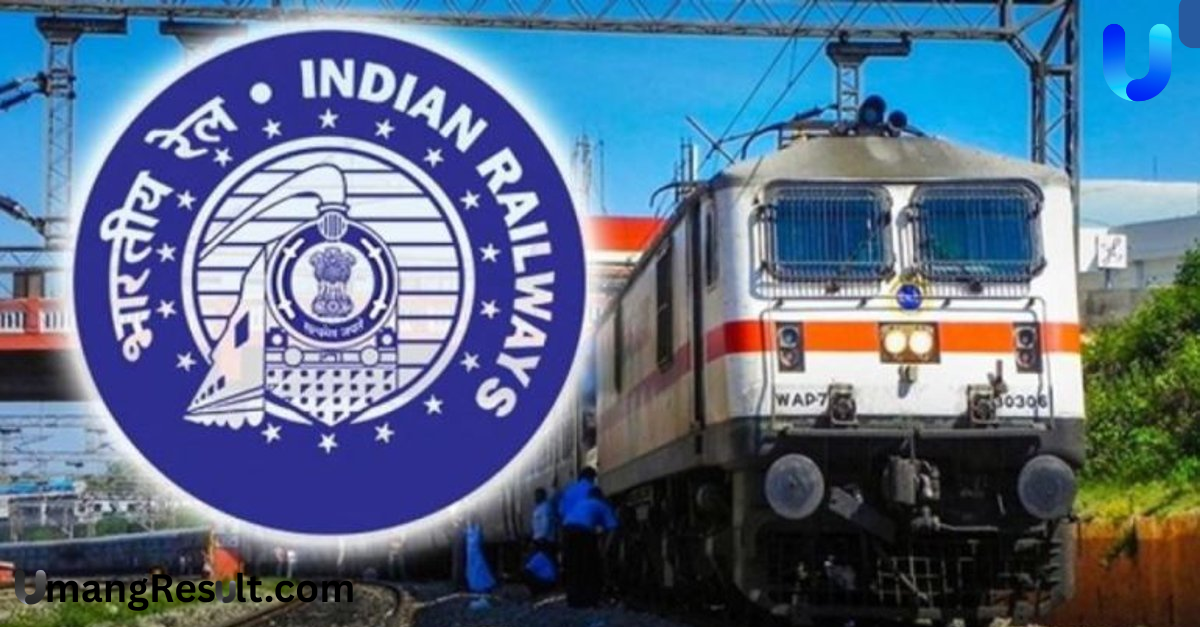
Yet, for generations, Indian Railways has quietly provided stable livelihoods to millions of families.
For many aspirants, especially from small towns and rural belts, railway exams are not about ambition — they’re about security, dignity, and continuity.
Why Railway Jobs Still Hold Strong Appeal
Indian Railways is one of the largest employers in the world. Its exams attract lakhs of candidates because they offer:
- Long-term job security
- Predictable promotions
- Fixed working hours (for many posts)
- Strong retirement benefits
In households where uncertainty is the norm, railway employment feels like solid ground.
Major Railway Exams Aspirants Prepare For
RRB NTPC — The Most Popular Railway Exam
Non-Technical Popular Categories (NTPC) cover a wide range of roles:
- Station Master
- Goods Guard
- Clerk and Traffic Assistant
These posts involve responsibility but also public interaction and operational awareness.
RRB Group D — Entry to Stability
Group D posts include:
- Track Maintainer
- Helper roles in workshops
- Pointsman
These jobs demand physical stamina but provide one of the most secure entry points into government service.
RRB JE & SSE — For Technical Minds
Candidates with engineering backgrounds aim for:
- Junior Engineer (JE)
- Senior Section Engineer (SSE)
These roles offer higher pay, technical involvement, and supervisory responsibility.
The Exam Pattern: Simple on Paper, Tough in Reality
Railway exams test:
- Mathematics
- Reasoning
- General awareness
- Basic science (for some posts)
The syllabus is not complex, but:
- Cut-offs are high
- Vacancies fluctuate
- Competition is intense
One mark can decide everything.
Life After Selection: The Reality Behind the Uniform

Railway jobs involve:
- Rotational shifts
- Night duties (especially operational posts)
- Fieldwork in all weather conditions
But they also offer:
- Housing facilities
- Medical benefits
- Travel concessions
- Respect within communities
For many families, a railway job is a multi-generational asset.
Who Should Seriously Consider Railway Exams?
Railway jobs suit candidates who:
- Value long-term stability
- Are comfortable with routine
- Can adapt to shift work
- Prefer structured environments
They may not suit those seeking rapid career changes or flexible lifestyles.
Preparation Strategy: Consistency Over Intensity
Railway exams reward:
- Daily practice
- Strong basics
- Previous year paper analysis
- Patience during long recruitment cycles
Many selections come after years of waiting — resilience matters.
The Emotional Reality of Railway Aspirants
Railway aspirants often:
- Prepare while working odd jobs
- Face long result delays
- Compete with repeat candidates
Yet they persist — quietly, steadily.
Final Thoughts: A Job That Holds Society Together
Railway jobs don’t promise luxury.
They promise continuity.
Tracks must be maintained. Trains must run. Passengers must move.
And the people who make this happen rarely seek attention — only stability.