Introduction
The tech world woke up to unsettling news in 2026. Oracle, one of the most powerful global technology companies, has initiated massive layoffs, impacting thousands of employees worldwide. What hit hardest, especially for India, was the scale—around 12,000 employees lost their jobs in the country alone.
This isn’t just another corporate restructuring story. It reflects a deeper shift in how the tech industry is evolving—where artificial intelligence is not just creating opportunities but also replacing traditional roles.
Let’s break down what happened, why it happened, and what it means for professionals navigating today’s uncertain job market.
What Happened: The Oracle Layoff Wave
Oracle’s layoffs are not small adjustments—they are massive, global, and strategic.
- Around 30,000 employees globally have reportedly been affected
- Approximately 12,000 job losses occurred in India alone
- Many employees received termination emails early in the morning, making the process feel abrupt and impersonal
For many, the shock wasn’t just about losing a job—it was about how suddenly it happened.
Imagine starting your day with a cup of tea, opening your inbox, and discovering that your role no longer exists. That’s the reality thousands faced.
Why is Oracle Laying Off Employees?
At first glance, layoffs seem like cost-cutting. But here, the story runs deeper.
-
Massive Investment in AI Infrastructure
Oracle is aggressively investing in artificial intelligence and data centres. These projects require billions of dollars.
- The company is redirecting funds towards AI growth
- It has allocated up to $2.1 billion for restructuring costs
In simple terms, Oracle is shifting its focus from traditional roles to AI-driven systems.
-
Changing Nature of Jobs
Some roles are becoming less relevant.
- Automation and AI are reducing the need for repetitive or support-based roles
- Companies are prioritising high-skill, AI-related positions
This is not just Oracle—it’s a global trend.

-
Industry-Wide Cost Pressure
Tech companies are spending heavily on innovation while trying to remain profitable.
- Oracle’s stock has seen fluctuations, increasing pressure to optimise costs
- Layoffs help companies free up capital for future investments
Why India Was Hit So Hard
India has always been a major hub for IT services. But that also makes it vulnerable.
High Workforce Concentration
India has a large number of Oracle employees, especially in:
- Support roles
- Backend operations
- Cloud services
When companies restructure, these areas often face cuts first.
Cost Optimisation Strategy
Companies often reduce roles in regions where:
- There is a large workforce
- Work can be automated
Unfortunately, India fits both criteria.
A Bigger Picture: The AI Disruption Era
Oracle’s layoffs are not an isolated incident.
Across the tech industry:
- Over 40,000 jobs have already been cut in 2026
- Companies like Amazon and Meta are also restructuring
This signals a clear transition:
From human-driven processes → AI-driven efficiency
And that transition is happening faster than expected.
The Human Side of Layoffs
Behind every number is a story.
A software engineer with 10 years of experience.
A young graduate who just started their career.
A parent managing EMIs and school fees.
Layoffs are not just economic events—they are deeply personal disruptions.
Many affected employees reported:
- Sudden job loss without prior warning
- Emotional stress and uncertainty
- Pressure to quickly find new opportunities
Will There Be More Layoffs?
The worrying part is this: the layoffs may not be over yet.
- Reports suggest another round could happen soon
- Oracle has already set aside funds for continued restructuring
This indicates that the company is still in transition mode.
What this Means for Tech Professionals
This moment is a wake-up call.
-
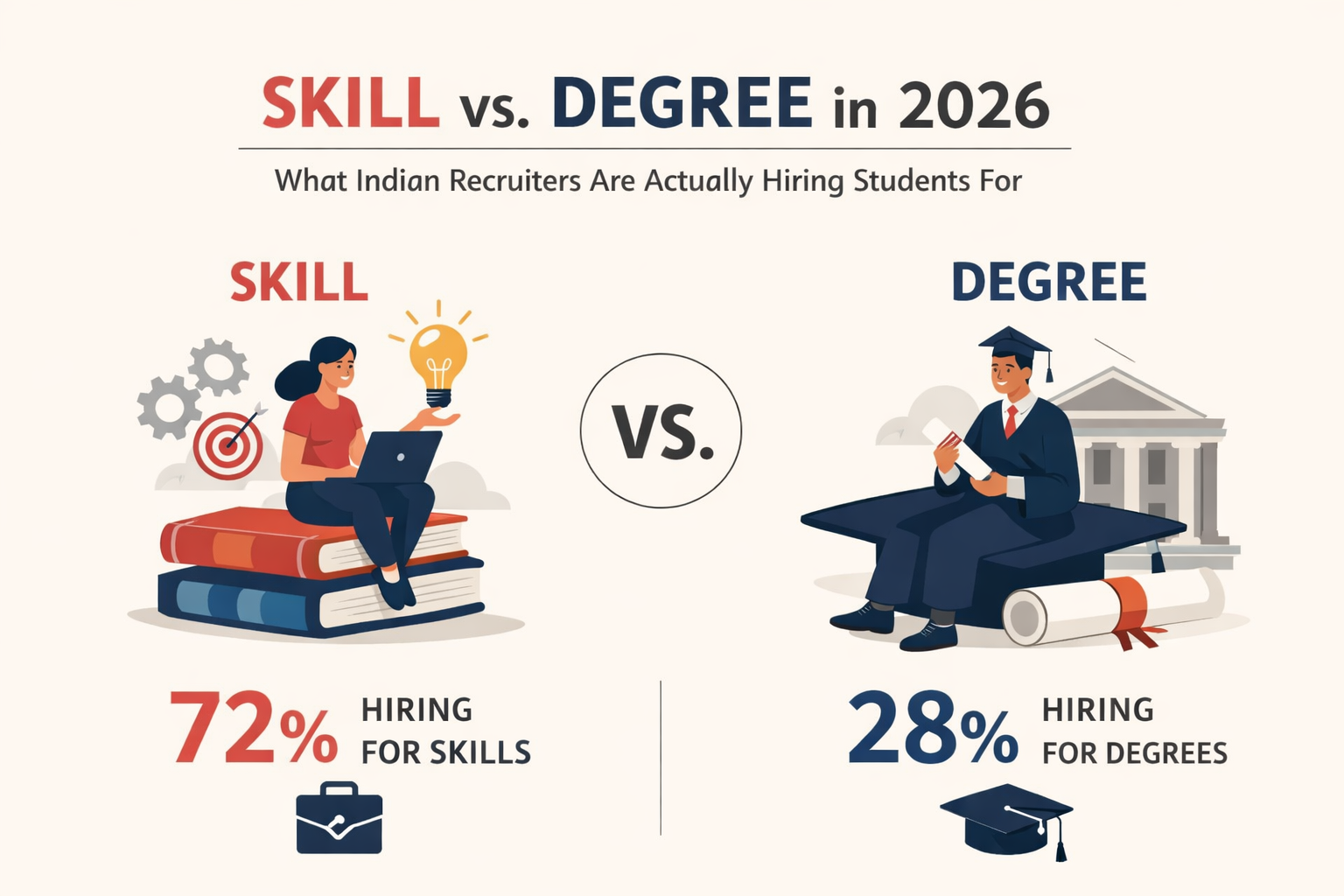
Skills Matter More Than Ever
The future belongs to those who can adapt.
High-demand areas include:
- Artificial Intelligence
- Cloud Computing
- Data Science
- Cybersecurity
-
Job Security Is Changing
The old belief—“a stable IT job is safe”—is no longer true.
Today’s reality:
- Stability comes from skills, not companies
-
Continuous Learning is the New Normal
The professionals who survive and grow are those who:
- Upskill regularly
- Stay updated with industry trends
- Learn emerging technologies
Opportunities Hidden Inside the Crisis
Every disruption carries opportunity.
Rise of AI Jobs
While some jobs disappear, new ones are being created:
- AI engineers
- Machine learning specialists
- Data analysts
Freelancing and Remote Work
Many professionals are shifting to:
- Freelancing
- Consulting
- Remote global roles
Entrepreneurship
Layoffs often push people to explore:
- Startups
- Independent ventures
- Digital businesses Lessons from Oracle Layoffs
This event teaches some powerful lessons:
- Change is inevitable
- Adaptability is survival
- Skills are your biggest asset
- No company guarantees lifelong security
Conclusion
The Oracle layoffs of 2026 are more than just headlines—they are a signal of a major shift in the global workforce.
Artificial intelligence is reshaping industries at a rapid pace. Companies are evolving. Roles are changing. And professionals must evolve too.
For India, the impact is significant—but so is the opportunity.
Those who learn, adapt, and stay ahead will not just survive this transition—they will thrive in it.
FAQs
-
How many employees were laid off by Oracle in 2026?
Around 30,000 employees globally, with approximately 12,000 in India affected.
-
Why is Oracle laying off employees?
The company is restructuring to invest heavily in AI and reduce operational costs.
-
Will there be more layoffs at Oracle?
Reports suggest another round of layoffs could happen soon.
-
Which sectors are safe from layoffs?
No sector is completely safe, but AI, cybersecurity, and data science are growing rapidly.
-
What should professionals do now?
Focus on upskilling, especially in AI and emerging technologies, to stay relevant.