India’s schools are going through one of the biggest changes they’ve seen in a long time. The National Education Policy (NEP) has had a big impact on ongoing education reforms since 2026. This has led to a number of substantial modifications to the curriculum. The goal of these modifications is to make learning more useful, skill-based, adaptable, and in line with the needs of the modern world.
For a long time, Indian schools put a lot of emphasis on memorisation and theory. But in today’s world, you need to be creative, able to solve problems, know how to use technology, and have real-life abilities. The new curriculum revisions in 2026 are meant to get pupils ready for a world that is changing quickly, where technology, new ideas, and critical thinking are very important.
Let’s find out what’s changing, why it matters, and how it will effect students, parents, and the future of education in India.
Why India Had to Change Its Curriculum
The conventional Indian education system has produced millions of graduates, but many experts thought it wasn’t perfect. Students generally memorised a lot of material, but they had trouble using it in real life and learning new skills. A lot of firms also said that graduates didn’t have the abilities they needed to work in the field.
Another big worry was that pupils were under a lot of stress because of board exams and strict subject structures. A lot of students couldn’t follow their true interests since they had to stick to certain academic paths, like science, commerce, or the arts.
The government knew that the education system needed to be updated because of how quickly technology was changing, how artificial intelligence was growing, and how digital transformation was happening. The revisions to the curriculum in 2026 are meant to make pupils not only smart but also flexible and creative.
Move from memorising to learning based on concepts
One of the most major differences in the new curriculum is that it focuses on understanding concepts instead of just memorising facts from books. Students were routinely tested on how much material they could remember. Now, the focus is on figuring out how to use what you know in real life.
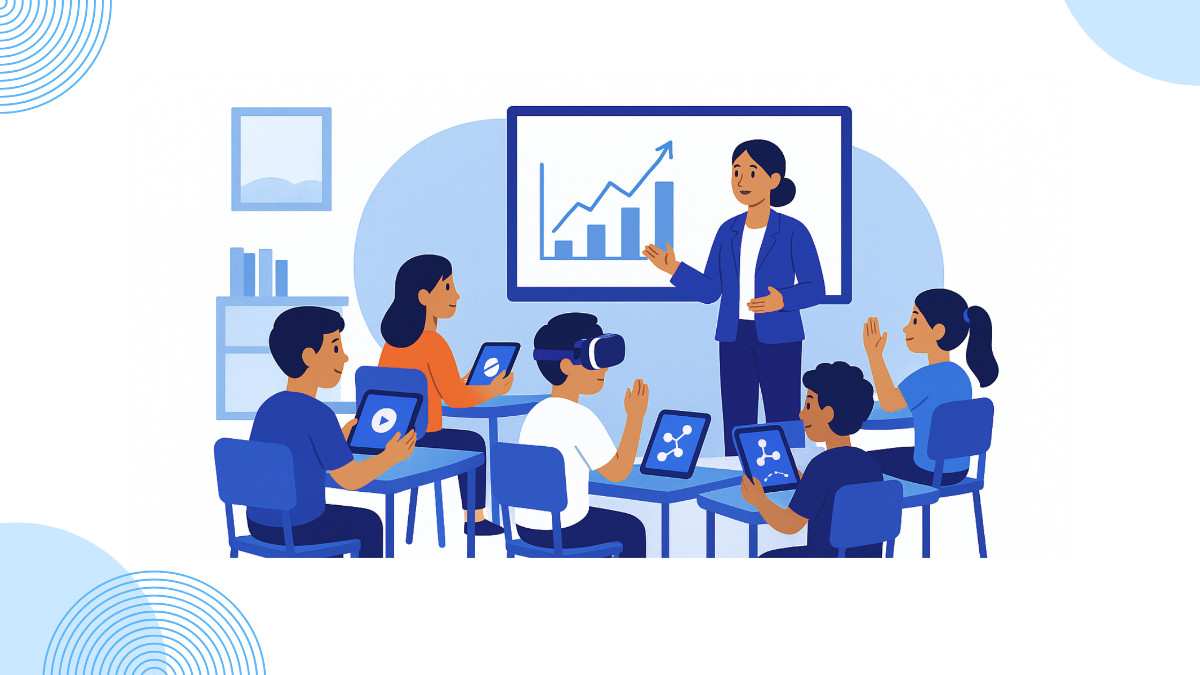
Teachers should employ real-life examples, case studies, and project-based learning. Instead than just repeating what they read in books, students should learn how to think critically and solve problems.
This adjustment helps pupils learn more about the courses and get ready for problems in the real world.
Students can choose their own subjects.
In the past, pupils had to choose a set route after class 10, such science, business, or arts. This structure often made it hard for students to be creative and change careers.
Students can now choose studies from different streams with the new curriculum. For instance, a student could study physics and music at the same time or economics and computer technology at the same time. This method across several fields enables students learn about different things and make their own professional choices.
This freedom lets students be creative and find their abilities instead of putting them into typical academic classifications.
More Emphasis on Learning New Skills
The 2026 curriculum will also put a lot of focus on skill-based learning, which is a big change. The goal of the new education system is to have pupils ready for jobs and starting their own businesses.
Schools are now adding vocational subjects like:
- Programming and coding
- The basics of AI
- Marketing on the internet
- Knowing about money
- Skills for talking to others
- Training for entrepreneurs
These disciplines give students useful skills that they can use right away in their jobs. Learning based on skills also boosts students’ confidence and makes them more likely to get a job.
Bringing technology into the classroom
Technology is becoming a big aspect of the new curriculum. Digital classrooms, online learning platforms, and AI-based educational tools are now all part of how teachers teach.
Through interactive content, virtual laboratories, and smart learning apps, students are learning. This makes learning more interesting and helps students understand difficult subjects better.
Teachers are also learning how to use digital tools in the right way. Using technology helps kids keep up with global learning trends and learn how to utilise computers and other digital tools from an early age.
Changes to the way the Board Exam works
People have often said that India’s traditional board exam system puts too much stress on students. The 2026 changes are meant to make tests less about stress and more about evaluating.
Some of the most important modifications are:
- Many chances to take tests in a single year
- Less focus on memorising things by heart
- Questions that are more objective and based on real life
- Methods of continuous internal assessment
The goal of these adjustments is to lower student stress and encourage deeper learning. Students now have more chances to do better without being afraid of failing once.
Focus on Whole-Person Growth
The new curriculum is not only about doing well in school, but also about growing as a person. Schools should make extracurricular activities an important element of education.

Students are being encouraged to take part in:
- Physical education and sports
- Cultural and artistic activities
- Programs for debate and communication
- Community service and social engagement
Holistic education helps students become more confident, learn how to be a leader, work well with others, and understand their own feelings. These traits are necessary for success in both your personal and professional life.
Changes to Early Childhood Education
Early childhood learning is another important part of the new education curriculum. Studies indicate that cerebral growth occurs most rapidly in the initial years of life. The new system puts a lot of stress on basic reading and writing skills from a young age.
Younger pupils are being taught in ways that are more fun and effective, like through play. This method helps kids learn basic skills, be creative, and be curious without putting too much pressure on them to do well in school.
A strong basic education leads to better grades in school later on.
Indian Knowledge Systems should be the main focus.
The curriculum for 2026 also encourages traditional Indian ways of knowing. Modern formats teach things about Indian languages, culture, and history.
Students are learning about:
- The history and philosophy of India
- Yoga and health education
- Contributions to science in the past
- Literature and languages from different regions
This program’s goal is to raise cultural sensitivity while keeping global standards for education.
Training and professional development for teachers
Teachers are very important for making changes to the curriculum work. The government is starting specific training programs to help teachers learn how to use new ways of teaching.
Teachers are learning how to:
- Tools for teaching online
- Ways to learn that are interactive
- Counselling and psychology for students
- Methods of assessment based on skills
Better training for teachers makes ensuring that children get a good education and learn in ways that work for them.
Effects on college and career opportunities
We think that the changes to the curriculum will have a big effect on college and job chances. Colleges and universities are also changing their curriculum to fit models of learning based on skills.
People who know a lot about different subjects and can use what they learn will have more job options. The current education system is focused on getting pupils ready for:
- Industries that use technology
- Jobs in research and innovation
- Culture of entrepreneurship and startups
- Job marketplaces around the world
The goal of these changes is to make Indian students competitive on a global scale.
Benefits for a balance between rural and urban education
The administration is also working to close the gap between the quality of education in cities and in the country. Online tools and digital learning platforms are making it easier for kids in rural areas to get superior educational materials.
New rules are making it easier for rural schools to build smart classrooms and connect to the internet. Equal access to education helps the country thrive in a balanced way.
Problems with putting the new curriculum into action
The new school curriculum has a lot of good things about it, but it also has certain problems. Some schools, especially those in rural locations, may have trouble with their infrastructure. Teachers and schools may need some time to get used to new ways of teaching.
Parents and children may also need some time to get used to the new topic choices and how flexible things are. For the program to work, the government needs to keep supporting it, teachers need to be trained, and people need to be made aware of it.
How the Changes Will Help Students
There are many benefits for students who adjust to the new curriculum. They can learn about many different things, gain useful skills, and lay the groundwork for a successful career.
Students should pay attention to:
- Getting a profound understanding of ideas
- Getting better at digital and communication skills
- Taking part in activities outside of school
- Looking into subjects that cross disciplines
These strategies can help pupils get the most out of the new school system.
What Parents Should Do in the New School System
Parents also have a big part to play in helping with modifications to the curriculum. Parents should not only care about grades; they should also help their kids learn new skills and be creative.
Knowing about the increased subject flexibility and helping kids follow their interests will help them make better job choices. Students need emotional support and desire to do well in school as it changes.
The Future of Indian Education
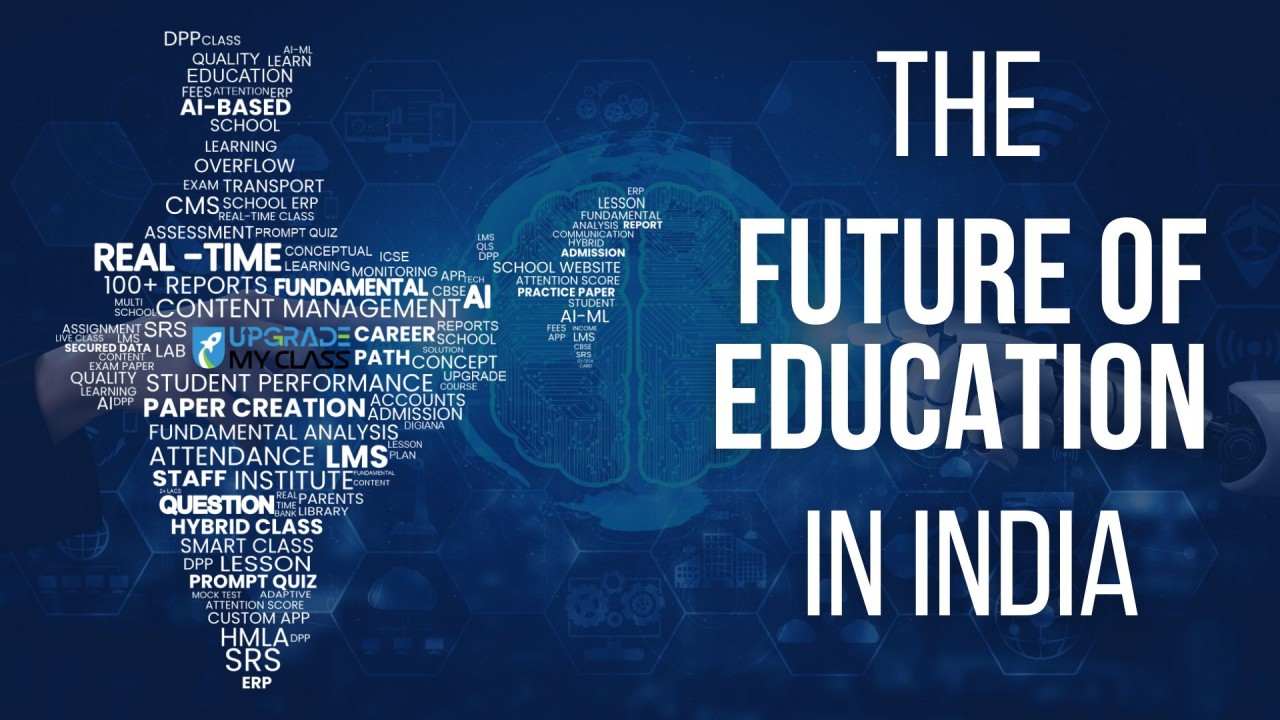
The changes to the curriculum in 2026 are a big step toward changing India’s education system. The focus is changing from learning for tests to learning for skills and knowledge.
These reforms are meant to get students ready for a world where AI, automation, and competition from around the world are all important. The education system is moving in the direction of new ideas, creativity, and learning for life.
If these changes are made correctly, they might make it easier for people to get jobs, lower the stress of schoolwork, and boost India’s reputation as a good place to get an education around the world.
Final Thoughts
The improvements to India’s education system in 2026 will impact the way kids learn and grow in a big way. The new system’s goal is to make people confident and capable by focusing on learning concepts, developing skills, allowing students to choose their own subjects, employing technology, and promoting overall growth.
There are certain problems with putting these changes into action, but in the long run, they can help create a stronger and more adaptive generation. Teachers, students, and parents all need to work together to accept these changes and take advantage of the new chances.
India’s education system is moving into a modern age when success would be based on knowledge, creativity, and talents. These improvements to the curriculum are not merely reforms; they are the building blocks for India’s future growth and leadership in education around the world.