Introduction
Walk into a classroom today, and one silent question hangs in the air—should students have smartphones in school? For years, this debate remained unresolved. But in 2026, the world seems to be moving in one clear direction.
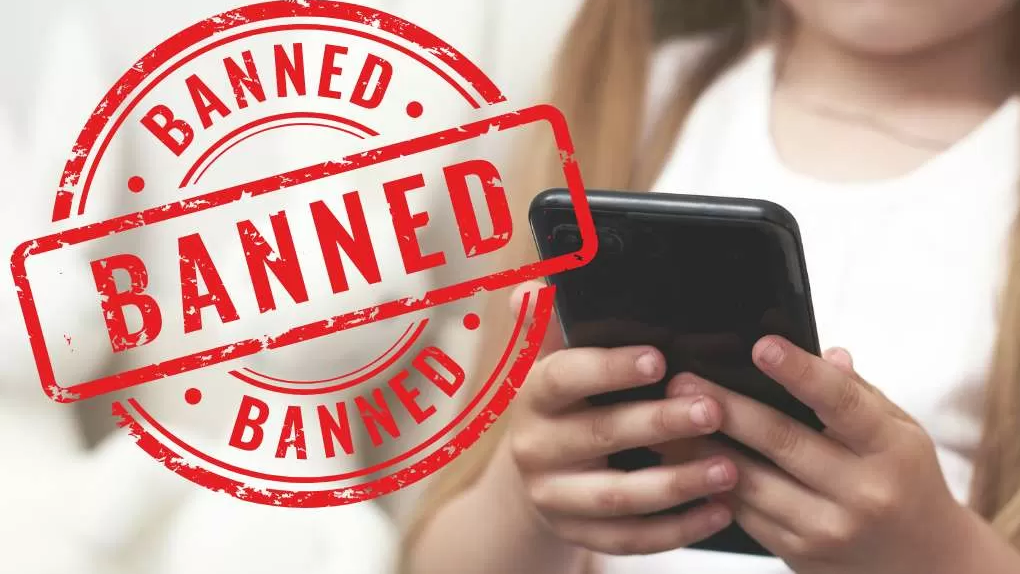
According to a recent UNESCO report, more than half of the countries globally have now banned mobile phones in schools. This is not a small shift. It is a global movement, driven by growing concerns about distraction, mental health, and the changing nature of childhood itself.
This blog explores not just the facts, but the deeper story behind this transformation—why nations are taking this step, what it means for students, and what the future of education might look like.
A Global Shift: Classrooms Are Going “Phone-Free”
The numbers tell a powerful story. Around 114 education systems worldwide—nearly 58% of countries—now enforce a ban or restriction on mobile phones in schools.
Just a few years ago, the situation was very different. In 2023, only about 24% of countries had such bans. By early 2025, this number rose to 40%, and now it has crossed the halfway mark.
This rapid growth shows that governments are no longer experimenting—they are acting decisively.
Why Are Phones Being Banned in Schools?
The reasons behind this global trend are both academic and deeply human.
At the most basic level, smartphones are seen as a major source of distraction. Students often struggle to concentrate when notifications, games, and social media are constantly within reach. UNESCO highlights that declining attention spans in classrooms have become a serious concern.
But the issue goes beyond distraction. Cyberbullying, exposure to harmful content, and the psychological impact of social media are pushing policymakers to rethink digital access in schools.
Studies have also shown troubling patterns. For instance, social media usage has been linked to body image issues among teenagers, particularly girls.
This makes the debate less about technology and more about protecting student well-being.

The Hidden Impact of Smartphones on Students
When students carry smartphones into classrooms, the impact is not always visible—but it is significant.
Frequent phone use interrupts learning patterns. Even a quick glance at a notification can break concentration and reduce retention. Over time, this affects academic performance.
Beyond academics, there is an emotional dimension. Constant exposure to curated online lives can lead to comparison, anxiety, and reduced self-esteem. UNESCO’s findings suggest that girls are particularly vulnerable to these effects.
In simple terms, smartphones are not just tools—they are environments that shape how young minds think and feel.
Not All Countries are Taking the Same Approach
Interestingly, while many countries have introduced strict bans, others are choosing a more flexible route.
Some nations allow limited phone use during school hours, especially for educational purposes. Others require students to switch off devices and keep them stored away.
There are also countries where the government does not impose a national ban but instead asks schools to create their own policies. This approach gives autonomy to institutions while still controlling misuse.
This diversity shows that while the goal is shared, the methods vary.
Countries Leading the Movement
Several countries have taken strong steps in this direction.
France, for example, has long been a pioneer in banning mobile phones in primary and lower secondary schools. More recently, countries like Bolivia, Croatia, Malta, and the Maldives have joined the movement, introducing national-level restrictions.
Even countries that haven’t implemented full bans are tightening regulations, showing that the trend is expanding rapidly.
The Debate: Ban vs Balance
While the movement towards banning phones is growing, the debate is far from over.
On one side, supporters argue that removing phones improves focus, discipline, and social interaction. Many schools have reported better classroom engagement after implementing bans.
On the other side, critics believe that smartphones can be valuable educational tools. They provide access to information, enable digital learning, and prepare students for a tech-driven world.
UNESCO itself points out a key challenge: while bans reduce distraction, they may also limit opportunities to teach students how to use technology responsibly.
This creates a paradox—how to protect students from technology while also preparing them for it.
What this Means for the Future of Education
The global trend suggests that education is entering a new phase—one that balances digital access with discipline.
Instead of completely rejecting technology, schools may move towards controlled and purposeful use. Devices might be allowed only during specific activities, under teacher supervision.
The focus will likely shift from unrestricted access to digital literacy—teaching students how to use technology wisely rather than excessively.

What Students and Parents Should Understand
For students, this shift may feel restrictive at first. But it also offers an opportunity to rediscover focus, creativity, and real-world interaction.
Parents, on the other hand, play a crucial role. The habits formed at home often influence behaviour in school. Managing screen time outside school becomes just as important as rules inside it.
The goal is not to eliminate technology—but to use it with awareness and control.
Final Thoughts
The decision by over half the world’s countries to ban phones in schools is not just about rules—it is about redefining learning environments.
The mobile phone ban in schools 2026 movement reflects a deeper concern: how to protect young minds in a rapidly digital world.
Education is evolving, and so are its challenges. The question is no longer whether technology belongs in classrooms, but how and when it should be used.
Because sometimes, the best way to move forward is to pause, disconnect, and focus on what truly matters—learning.