Introduction
Something remarkable has begun in the heart of Bihar. For years, districts like Madhubani were known for their rich culture, heritage, and art—but not for industry. Jobs were scarce, opportunities were limited, and migration felt almost inevitable. But now, that narrative is quietly, yet powerfully, changing.
The grand inauguration of the Sabi Global Fashion Leather Factory in Pandol block, Madhubani, is more than just the opening of an industrial unit. It is a signal—a strong, confident signal—that Bihar is ready to embrace industrial growth, create local employment, and build a future where people no longer need to leave their roots behind to succeed.
This development is not just economic. It is emotional, social, and deeply transformational.
A Grand Beginning: The Inauguration Ceremony
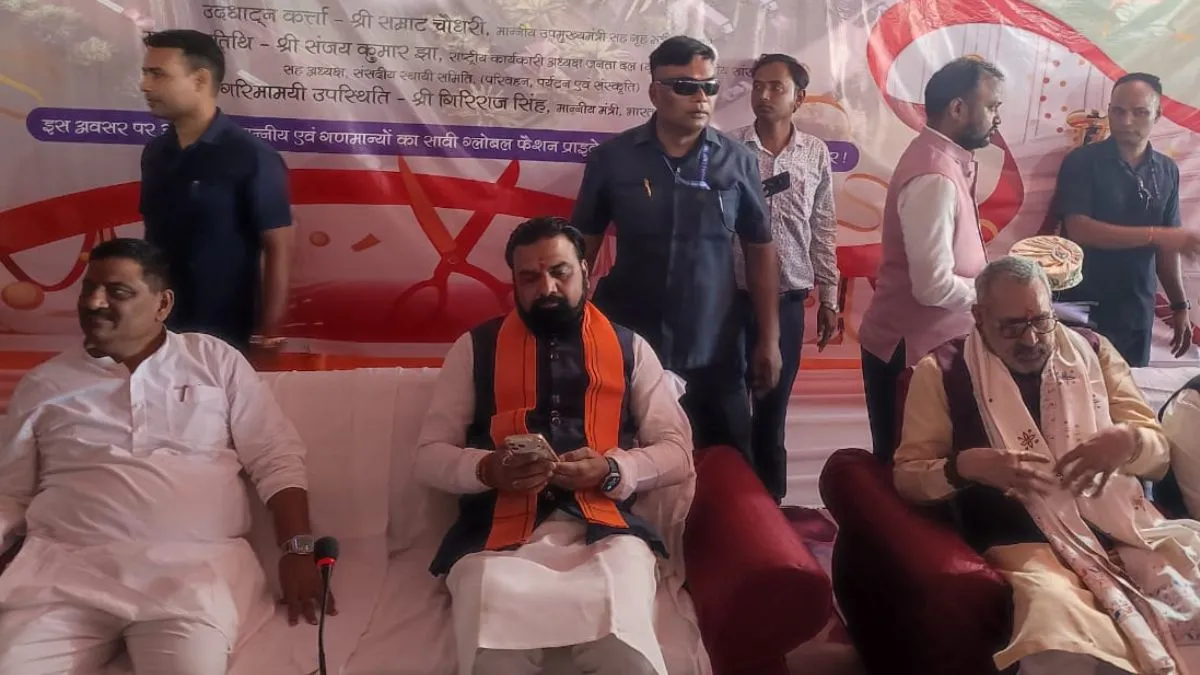
The inauguration ceremony was a moment of pride for the entire region.
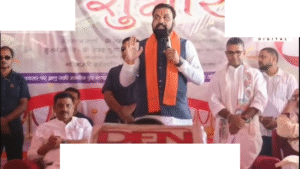
Prominent leaders, including Bihar’s Deputy Chief Minister Samrat Chaudhary, Union Minister Giriraj Singh, JD(U) Working President Sanjay Jha, and MLA Madhav Anand, graced the occasion. Together, they cut the ribbon, marking the beginning of a new industrial journey for Madhubani.
But beyond the political presence, what truly stood out was the energy of the people.
Local residents, business leaders, and community members gathered in large numbers. There was excitement in the air, but also a sense of relief—relief that something meaningful was finally taking shape in their own land.
Why This Factory Matters More Than it Seems
At first glance, it may look like just another manufacturing unit.
But if you look closely, this factory represents something far bigger.
For decades, Bihar has struggled with industrial development. Despite having a hardworking population and strong cultural identity, the state lagged behind in creating sustainable employment opportunities.
This factory challenges that reality.
It introduces a new model—one where industries are built not just in metropolitan cities, but in smaller districts where they are needed the most.
Employment Generation: The Heart of the Initiative
The most immediate and powerful impact of the Madhubani leather factory is employment.
In its initial phase, the factory is expected to generate 2,500 to 3,000 direct jobs. For a district like Madhubani, this is not a small number—it is life-changing.
But the ripple effect goes even further.
When a factory starts operating, it creates an ecosystem:
transport services, food vendors, small shops, housing rentals, and countless indirect job opportunities.
This means that the actual number of people benefiting from this single initiative could be two to three times higher than the direct employment figure.
For many families, this is the difference between survival and stability.
Women Empowerment: A Silent Revolution
One of the most inspiring aspects of this project is its focus on women.
The factory aims to ensure that nearly 60% of its workforce consists of women.
Think about what that means.
In many rural areas, women often remain confined to household roles, not because they lack capability, but because opportunities are limited. This factory changes that equation.
Women will receive structured skill training for around three months, preparing them to work efficiently in the leather and textile sectors.
This is not just employment—it is empowerment.
When women earn, families grow stronger. When families grow stronger, communities become more resilient.
Reducing Migration: Bringing People Back Home
Migration has been one of Bihar’s most persistent challenges.
For years, young men and women have travelled to cities like Delhi, Mumbai, and Bengaluru in search of work. The journey is often difficult, uncertain, and emotionally draining.
The COVID-19 pandemic exposed the harsh reality of this migration when thousands of workers were forced to return home under distressing conditions.
The Madhubani leather factory offers a different path.
It allows people to stay close to their families while earning a stable income. It brings dignity back to local work and restores the idea that success does not always require leaving home.
Building an Industrial Ecosystem in Mithila
This factory is not a standalone effort—it is the beginning of something larger.
The project includes plans to expand into:
- Textile manufacturing
- Garment production
- Outerwear and branded products
Over time, this could transform Madhubani into a small but significant industrial hub.
And once an ecosystem begins to develop, growth becomes self-sustaining.
More investors arrive. More businesses open. More jobs are created.
What starts as one factory can eventually reshape an entire region.
Infrastructure and Government Support
No industrial project can succeed without strong support from the government.
In this case, the role of both state and central leadership has been crucial.
Efforts have been made to improve:
- Electricity supply
- Road connectivity
- Industrial policies
- Skill development programmes
These foundational elements ensure that industries not only start but also sustain themselves in the long run.
The message is clear: Bihar is open for business.
Changing Mindsets: The Real Transformation
Perhaps the most important change is not physical—it is psychological.
For years, there has been a belief that success lies outside Bihar.
This factory challenges that belief.
It tells young people that opportunities can be created locally. It encourages entrepreneurs to invest in their own regions. It inspires communities to think differently about growth and development.
And once mindsets begin to shift, real transformation follows.
Challenges Ahead: A Balanced Perspective
While the excitement is justified, it is important to remain realistic.
Industrial projects come with challenges:
- Maintaining consistent production quality
- Building supply chains
- Ensuring skilled labour availability
- Managing operational costs
However, these challenges are not roadblocks—they are stepping stones.
With proper planning, training, and collaboration, they can be effectively managed.
The Vision for the Future
The long-term vision of this initiative goes far beyond immediate employment.
It aims to:
- Position Mithila as an industrial destination
- Promote local entrepreneurship
- Create sustainable economic growth
- Integrate Bihar into national and global supply chains
If executed well, this project could become a model for other districts across India.

Conclusion
The inauguration of the Madhubani leather factory is not just an event—it is a turning point.
It represents hope, opportunity, and the beginning of a new chapter for Bihar.
For the youth, it offers employment.
For women, it offers empowerment.
For families, it offers stability.
And for the state, it offers a path towards sustainable growth.
Change does not happen overnight. But sometimes, it begins with a single step.
In Madhubani, that step has already been taken.
FAQs
- What is the Madhubani Leather Factory project?
It is an industrial initiative launched in Pandol block, Madhubani, aimed at manufacturing leather and textile products while generating large-scale employment.
- How many jobs will the factory create?
In the initial phase, the factory is expected to provide around 2,500 to 3,000 direct jobs, along with many indirect employment opportunities.
- Will women benefit from this project?
Yes, around 60% of the workforce is expected to be women, supported by skill development training programmes.
- How will this project impact migration?
By creating local job opportunities, the factory will reduce the need for people to migrate to other cities for work.
- What industries are included in this project?
The project includes leather manufacturing, textile production, garment making, and potential expansion into branded outerwear products.
- Is this a government project?
It is a private industrial initiative supported by government policies, infrastructure, and leadership presence during the inauguration.
- What is the long-term impact of this factory?
It can transform Madhubani into an emerging industrial hub, boosting the local economy and attracting further investment.