Introduction
It is easy to talk about Harvard in statistics. Rankings. Research output. Nobel Prize counts. Endowment size. But numbers cannot capture what it actually feels like to wake up in a dormitory overlooking Harvard Yard, walk past centuries-old brick buildings, and step into a classroom where the conversation moves faster than your thoughts. Life at Harvard University is not simply prestigious — it is intense, layered, demanding, and transformative. Students do not just attend lectures here. They are pulled into debates, research projects, leadership roles, and global conversations. Behind the brand name lies something far more human: growth under pressure.
The First Impression: Awe and Adjustment
For many students, arriving at Harvard feels surreal.
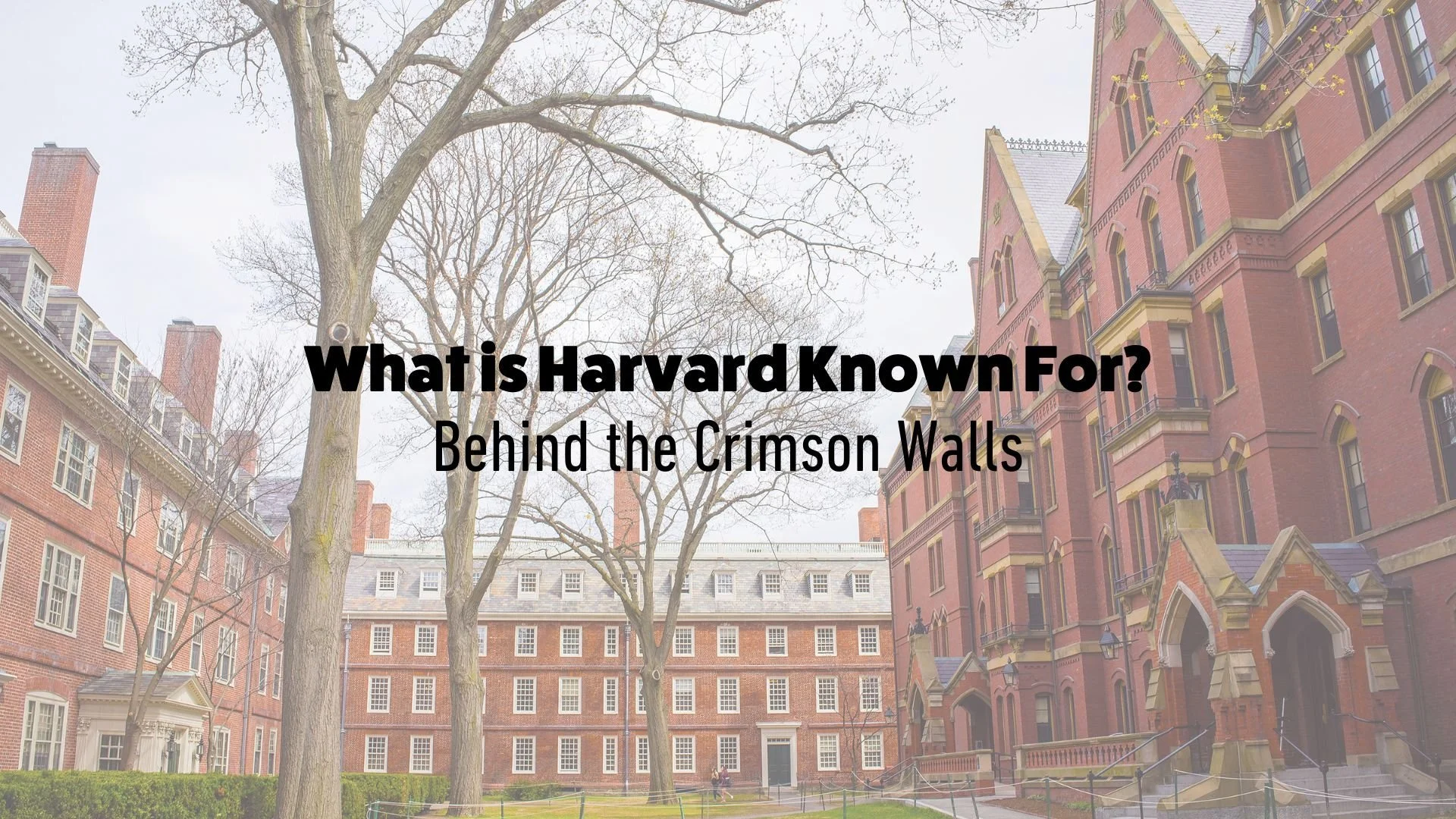
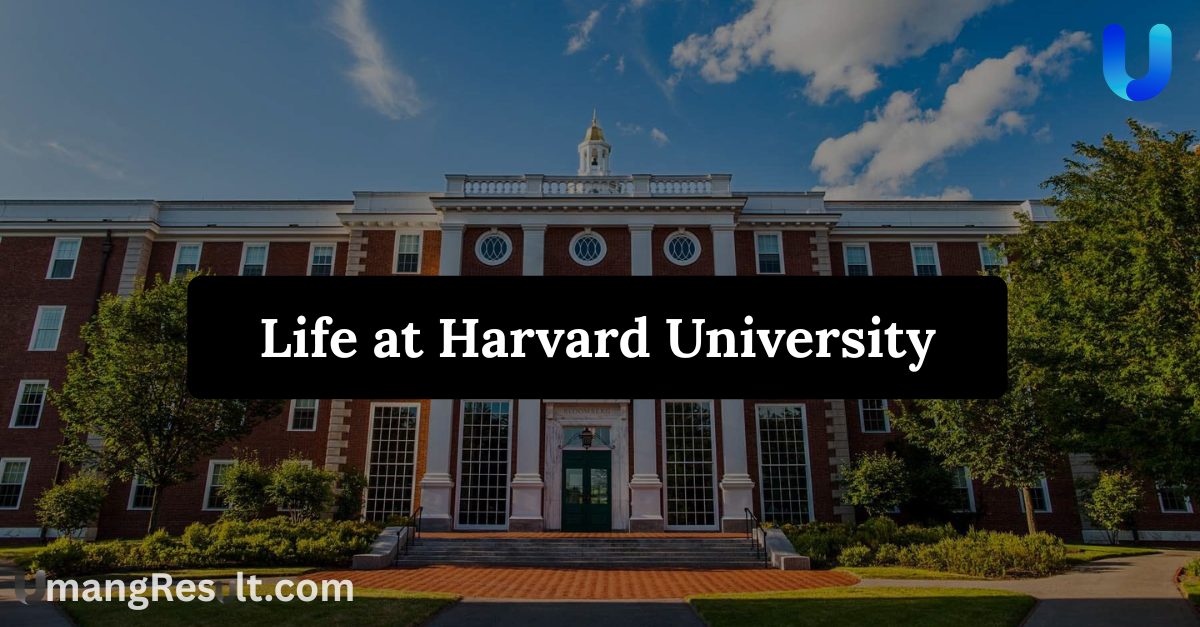
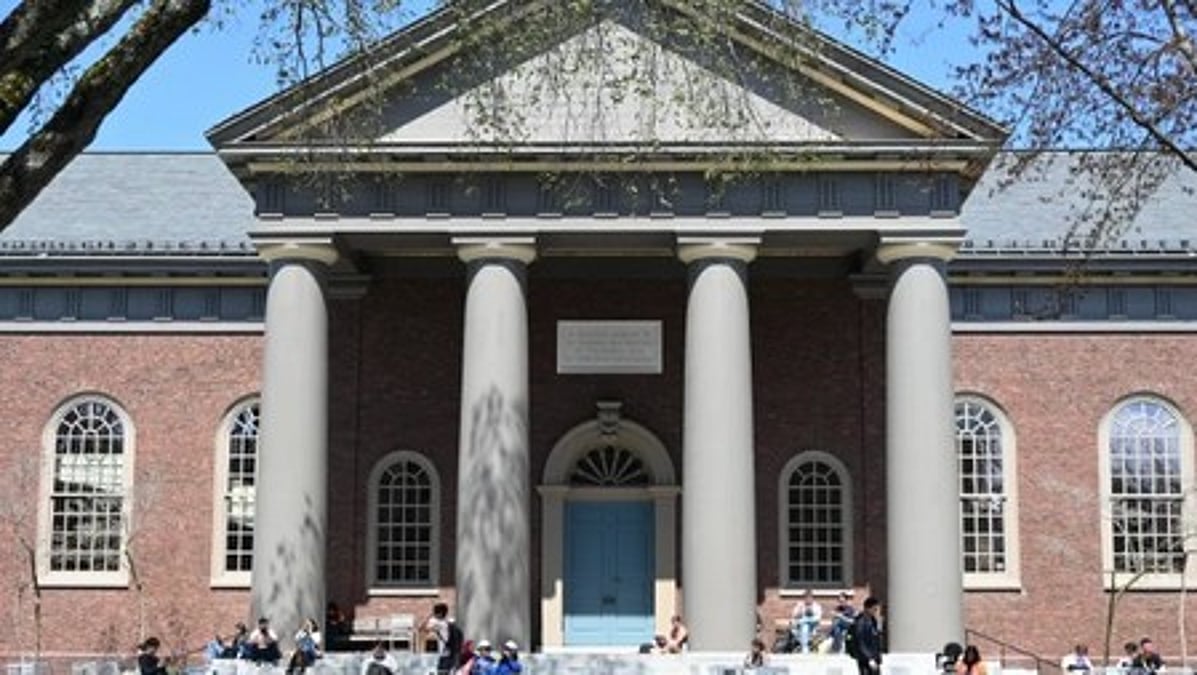
The campus carries weight. Harvard Yard, Widener Library, Memorial Hall — these are not just buildings; they are symbols. Generations of thinkers have walked the same paths.
But awe quickly gives way to reality.
Orientation week is filled with excitement, introductions, and possibility. Yet beneath that excitement lies a quiet awareness: everyone here was exceptional somewhere else. Suddenly, former school toppers find themselves surrounded by equally accomplished peers.
The adjustment can be humbling.
This is often the first lesson in life at Harvard University — excellence is normalised. Students are challenged not by competition alone, but by proximity to brilliance.
Academic Intensity: Thinking, Not Memorising
Classes at Harvard are rarely passive experiences.
Professors expect preparation. Discussion is central. Whether in a lecture hall or seminar room, students are asked not only what they think, but why they think it.
A student in a political science class might be asked to critique a policy model in front of fifty peers. A biology student may be expected to interpret complex research data during discussion. A philosophy student might defend an ethical position under rigorous questioning.
This environment can feel demanding — even intimidating at first.
But over time, students adapt. They learn to articulate ideas clearly. They develop analytical confidence. They begin to think structurally rather than memorise mechanically.
Life at Harvard University trains the mind to operate at high cognitive speed.
The Residential House System: Community Within Prestige
After the first year, undergraduate students become part of Harvard’s residential house system. These houses function as smaller communities within the larger university.
Each house has its own dining hall, traditions, events, and student leadership.
This structure matters because Harvard’s academic intensity could easily feel isolating. The house system counters that risk. Students eat together, attend social events, and participate in intramural competitions.
Friendships deepen here.
Many alumni later say their house experience defined their social life more than any lecture did.
Prestige may attract students, but community sustains them.
Diversity in Every Direction
Life at Harvard University is globally textured.
Students come from across the United States and from more than 100 countries worldwide. Conversations in dining halls reflect varied cultural, economic, and political experiences.
A discussion about climate change may include perspectives shaped by Pacific island nations facing rising sea levels. A debate on economic inequality might involve students who have lived in both rural communities and global financial centres.
Exposure to this diversity changes perspective.
Students often arrive confident in their worldview. They leave aware of its limitations.
This cross-cultural exchange is not incidental. It is foundational to the Harvard experience.
The Pressure of Expectation
It would be dishonest to portray life at Harvard as effortlessly glamorous.
Pressure exists.
Students carry expectations — from families, from themselves, from society. Being admitted to Harvard creates a narrative of future success. That narrative can feel heavy.
Imposter syndrome is common. Even highly accomplished students sometimes question whether they belong.
Harvard has expanded mental health services and counselling resources in response to this reality. Conversations about burnout and wellbeing are increasingly visible.
Ambition thrives here — but so does vulnerability.
The challenge is learning to balance both.
Research as Part of Daily Life
One distinctive feature of life at Harvard University is how closely teaching and research intersect.
Undergraduates often join research projects early. Graduate students lead complex investigations. Faculty mentorship is accessible through structured programmes.
A student studying public health might assist in data analysis for global health studies. An engineering student could work on robotics research. A literature student might collaborate on archival projects.
Research participation builds confidence.
It also reinforces Harvard’s research culture — students do not only consume knowledge. They help produce it.
Student Organisations and Leadership
Harvard hosts hundreds of student organisations — academic societies, cultural associations, debate teams, performing arts groups, social justice initiatives, entrepreneurship clubs.
Leadership roles in these organisations are not symbolic. Students manage budgets, organise conferences, publish journals, and coordinate international events.
These responsibilities build practical skills:
- Public speaking
- Financial management
- Strategic planning
- Conflict resolution
Many students describe their extracurricular leadership experiences as equally transformative as their academic coursework.
Life at Harvard University is as much about initiative as instruction.
Career Pathways and Opportunity
Harvard’s global brand creates professional opportunity. Recruiters from major corporations, research institutions, consulting firms, and non-profits actively engage with students.
Internship pipelines are strong. Alumni mentorship networks are influential.
However, opportunity does not eliminate effort.
Students still compete for placements. Interviews remain rigorous. Performance expectations stay high.
The Harvard name may open doors — but students must still walk through them with preparation and competence.
Conversations That Change Direction
One subtle yet powerful element of life at Harvard University is the frequency of unexpected intellectual encounters.
A casual dining hall conversation may evolve into a startup idea. A late-night dorm debate could reshape political views. A guest lecture might inspire a change in academic major.

The density of ambitious minds creates spontaneous collaboration.
Ideas circulate quickly.
Exposure to diverse thinking encourages risk-taking and exploration.
For many students, transformation happens not in formal lectures, but in informal exchange.
Balancing Tradition and Innovation
Harvard’s campus architecture reflects history — brick buildings, ivy-covered walls, historic libraries.
Yet inside these spaces, cutting-edge research unfolds. Artificial intelligence algorithms are tested. Climate models are simulated. Policy frameworks are debated.
Life at Harvard University constantly negotiates between tradition and modernity.
Students learn in spaces built centuries ago while discussing problems that did not exist a decade earlier.
This coexistence reinforces a sense of continuity — the past informs the present, but does not confine it.
The Emotional Arc of the Experience
Students often describe their Harvard journey in phases.
First year: Adjustment and awe.
Second year: Confidence and exploration.
Third year: Specialisation and leadership.
Final year: Reflection and anticipation.
By graduation, many students feel profoundly changed.
They may not have all the answers — but they think differently. They analyse more critically. They communicate more precisely.
Life at Harvard University shapes not only careers, but cognitive habits.
Beyond the Campus Gates
Graduation does not mark the end of the Harvard experience.
Alumni networks remain active. Professional collaborations continue. Friendships endure across continents.
Former students often carry with them a heightened sense of responsibility — aware that their education positioned them within global conversations.
Life at Harvard extends into the world.
Conclusion
To describe life at Harvard University purely in terms of prestige would be incomplete.
Yes, the name carries weight. Yes, the ranking reinforces global respect. But daily life is less about status and more about challenge.
It is about entering classrooms where thinking is sharpened. Joining communities that stretch cultural boundaries. Accepting pressure as part of growth. Discovering that excellence is not effortless — it is cultivated.
Students arrive with ambition. They leave with resilience, perspective, and intellectual discipline.
And perhaps that is the deeper reason Harvard continues to occupy a powerful place in global education.
Not merely because it is ranked highly.
But because the experience reshapes those who pass through it.