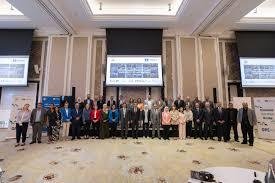
People frequently say that education is the backbone of a country. A country that spends money on its schools, instructors, and students is putting money into its future. UNESCO and Jordan’s Ministry of Education have started Jordan’s Education Strategic Plan (ESP) 2026–2030. This is a detailed plan on how to change the country’s education system over the following five years.
The new plan puts a lot of emphasis on quality education, inclusion, digital transformation, and sustainability. This will make sure that Jordan’s students are better prepared for the modern world. It also shows Jordan’s bigger goal of building a knowledge-based economy and improving people’s skills.
This article talks about the Education Strategic Plan 2026–2030, why it matters, and how it could change the way people learn in Jordan in the future.
Why Jordan Needed a New Education Strategy
Education systems cannot remain static. Schools and universities need to change as societies change and technology changes industry.
Jordan had already put in place an Education Strategic Plan for 2018–2025, which enabled the government make big strides in planning and reforming its schools. But politicians saw that they needed to come up with a fresh plan since new global problems and chances were coming up.
The Education Strategic Plan 2026–2030 was made after a thorough review of Jordan’s education system from preschool to college called the Education Sector Analysis (ESA). This analysis found both strengths and weaknesses, such as learning outcomes, digital preparedness, and equal access to education.
The new strategy lays out realistic strategies for strengthening education throughout the whole system based on this evidence.
A National Effort with International Collaboration
It wasn’t just one school that came up with Jordan’s new education plan. Instead, it was made with the help of government agencies, international organisations, and development partners.
A number of people helped make the plan, including:
- Departments of education in the government
- Experts in education from around the world
- Partners in development and groups that give money
- People who work in education and people in the community
Organisations like the UNESCO International Institute for Educational Planning were very important since they gave technical help, research knowledge, and planning methods.
Canada, Italy, Switzerland, and Norway, among other countries, gave money and technical expertise to Jordan to help it establish better systems for planning, monitoring, and evaluating education.
This way of working together makes sure that the plan takes into account both national goals and global standards for education.
Key Goals of Jordan’s Education Strategic Plan 2026–2030
The new strategy focuses on several major priorities aimed at improving both access and quality in education.
-
Improving Foundational Learning
One of the key goals is to improve basic learning skills, especially in the early grades.
This means helping pupils get better at reading, writing, and maths so that they have a strong academic base. Students are more likely to do well in the future if they learn these basic skills early on.
Enhancing basic learning will also contribute to diminishing educational disparities among children from diverse socio-economic backgrounds.
-
Expanding Inclusive and Equitable Education
Ensuring that every child has access to quality education is another key pillar of the strategy.
Jordan has been working to create a more inclusive education system that supports:
- Students with disabilities
- Children from vulnerable communities
- Girls and marginalized groups
The new strategic plan integrates gender-responsive policies and inclusive learning environments, reinforcing the country’s commitment to equal opportunities in education.
This focus aligns with the global goal of “leaving no one behind” in education.
-
Advancing Digital Transformation in Education
Technology is transforming classrooms around the world, and Jordan is no exception.
The Education Strategic Plan 2026–2030 emphasizes the integration of digital tools into teaching and learning processes. This includes:
- Digital learning platforms
- Technology-enabled classrooms
- Online education resources
- Improved data systems for education management
Jordan has already begun improving its Education Management Information System (EMIS) to ensure better data collection and decision-making across the education sector.
These digital reforms will help modernize the country’s education infrastructure and support more efficient education policies.
-
Strengthening Teacher Development
Teachers are the backbone of any successful education system. Without well-trained educators, even the best curriculum cannot deliver results.
The new plan emphasizes continuous professional development for teachers, including:
- Modern teaching methodologies
- Digital teaching skills
- Inclusive classroom practices
By investing in teacher training and support, Jordan aims to improve learning outcomes and ensure high-quality instruction across schools.
-
Promoting Green and Climate-Responsive Education
Climate change is a growing global challenge, and education systems must prepare students to understand and address it.
Jordan’s strategy introduces green education standards and climate-responsive practices in schools. This includes:
- Environmental education in curricula
- Sustainable school practices
- Climate awareness programs
Such initiatives encourage students to become environmentally responsible citizens.
Education as a Driver of Economic Growth
Education is not just about classrooms—it also shapes the economic future of a country.
Jordan’s Education Strategic Plan is closely aligned with the country’s Economic Modernization Vision, which seeks to strengthen human capital and create a competitive knowledge-based economy.
By improving education quality and expanding skill development, Jordan hopes to:
- Prepare young people for future jobs
- Encourage innovation and entrepreneurship
- Support sustainable economic growth
In simple terms, better education means a stronger economy.
Alignment with Global Education Goals
Jordan’s education reforms are also aligned with international commitments, particularly United Nations Sustainable Development Goal 4 (SDG 4).
SDG 4 aims to ensure inclusive and equitable quality education and promote lifelong learning opportunities for all.
Through the new Education Strategic Plan, Jordan reaffirms its commitment to these global objectives and contributes to broader efforts to improve education worldwide.
A System-Wide Approach to Education Reform
One of the strengths of the Education Strategic Plan 2026–2030 is its whole-of-system approach.
Rather than focusing only on schools or universities, the plan addresses the entire education journey, including:
- Early childhood education
- Primary and secondary schooling
- Technical and vocational education
- Higher education and skills development
This integrated approach helps ensure that reforms are consistent across all levels of education.
The Role of Data and Evidence in Education Planning
Another important feature of the new plan is its emphasis on evidence-based decision making.
Education reforms will be guided by reliable data collected through improved monitoring systems. This data will help policymakers:
- Track progress
- Identify challenges
- Adjust strategies when needed
Better data leads to better policies, which ultimately benefit students and teachers.
What the Plan Means for Students
For students, the Education Strategic Plan could bring several positive changes:
- Better learning environments
- Modern digital tools in classrooms
- Improved teaching quality
- More inclusive schools
Over time, these improvements can lead to better academic outcomes and stronger career opportunities.
A Shared Commitment to the Future
The launch of Jordan’s Education Strategic Plan 2026–2030 represents more than just a policy announcement. It reflects a collective commitment to building a stronger and more resilient education system.
By focusing on inclusion, quality, innovation, and sustainability, the plan aims to prepare Jordan’s learners for the challenges and opportunities of the future.
As implementation begins in 2026, the success of the strategy will depend on continued collaboration between government institutions, educators, communities, and international partners.
Conclusion
One of the best ways to help a country grow is through education. Jordan is making a big step toward creating an education system that is contemporary, inclusive, and ready for the future with the unveiling of the Education Strategic Plan 2026–2030.
Jordan’s new strategy has the potential to change the way thousands of students study across the country, thanks to strong backing from international partners like UNESCO and a clear plan for reform.
If the strategy is carried out correctly, it might help make a generation of talented, creative, and responsible citizens who are ready to assist the country prosper and the world go forward.