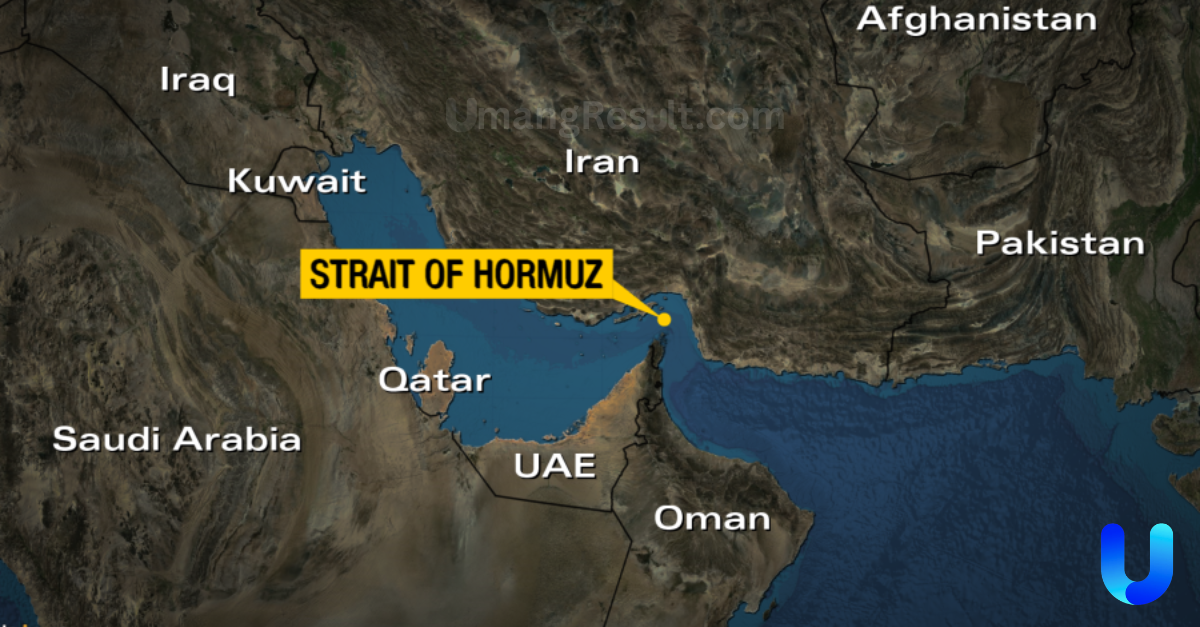
The Strait of Hormuz is one of the most significant waterways in the world for military and trade purposes. This small tunnel is a key route for international trade and the movement of energy throughout the world. It is located between the Persian Gulf and the Gulf of Oman. This canal is particularly important for the world economy since millions of barrels of oil move through it every day.
The Strait of Hormuz comes up a lot in talks about geopolitics, energy security, and global stability because of where it is and how important it is to the economy. Any problems with this waterway can quickly affect oil prices, international commerce, and political ties throughout the world. This might make oil-dependent countries more tense and cause markets to fluctuate.
Knowing how important the Strait of Hormuz is might help you understand why this tiny body of water is so important to the whole world.
Where Is the Strait of Hormuz Located?
The Strait of Hormuz is a narrow body of water that links the Persian Gulf to the Arabian Sea and the Gulf of Oman. It is in between two big countries:
- Iran is to the north.
- The UAE and Oman are to the south.
The strait is barely 33 km wide at its narrowest point, and the shipping lanes are significantly smaller. Even though it isn’t very wide, it transports a lot of worldwide marine activity.
Because of its strategic position, the Strait of Hormuz is the principal route for oil shipments from a number of important Middle Eastern countries.
Why the Strait of Hormuz Is Important for Global Oil Supply
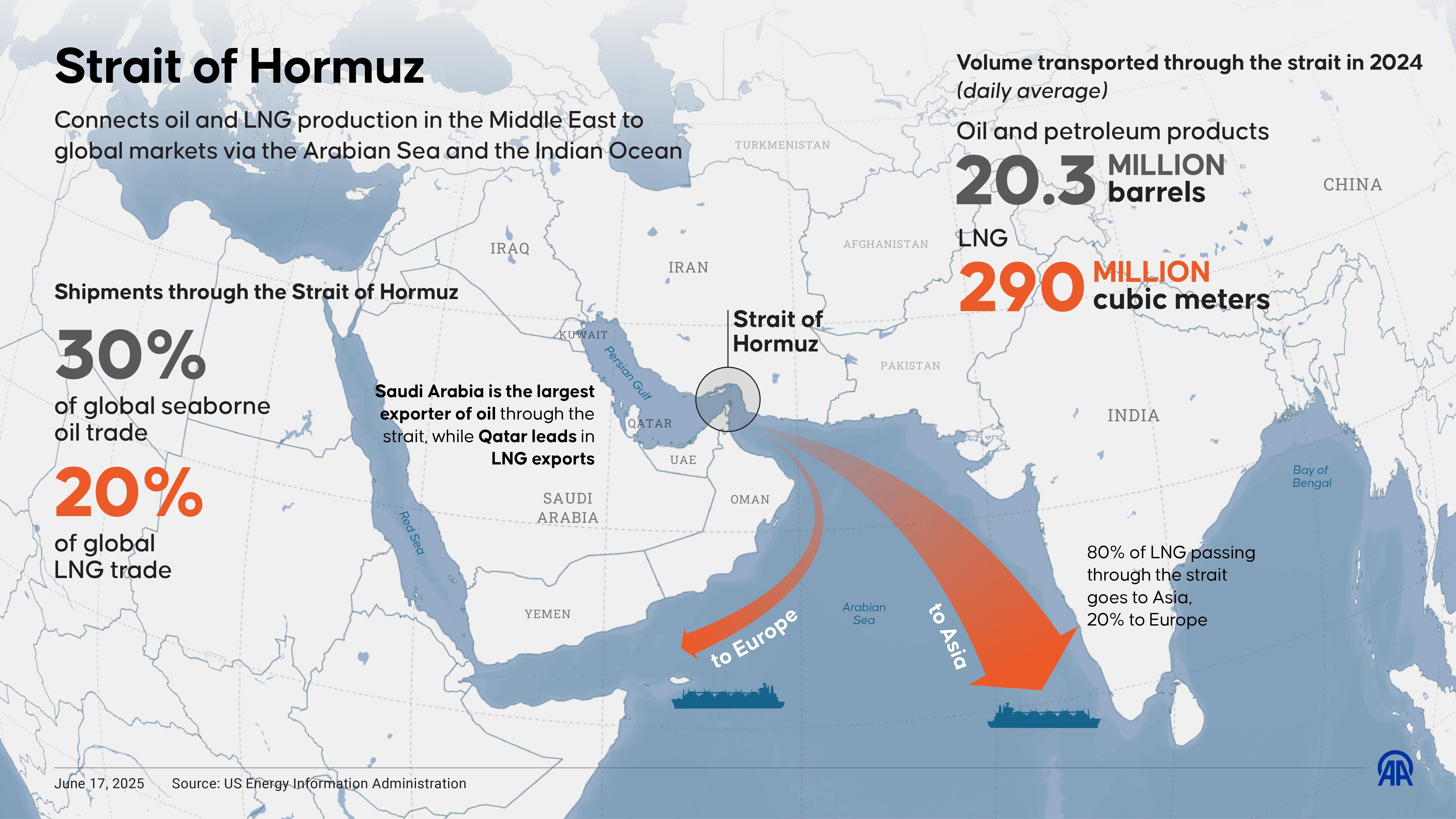
The Strait of Hormuz is important to the whole world since it is a major route for moving oil and natural gas.
A much of the world’s oil comes from countries near the Persian Gulf. These are some of the countries:
- Saudi Arabia
- Iran
- Iraq
- Kuwait
- United Arab Emirates
- Qatar
A lot of this oil has to go via the Strait of Hormuz before it can go to markets in Asia, Europe, and North America.
Experts say that almost one-fifth of the world’s oil supply goes via this tight tunnel every day. People frequently say that the strait is the most significant oil transportation chokepoint in the world because of this.
If shipping across the strait stopped, the world’s energy markets may be thrown into chaos right away.
A Major Route for Global Trade
People talk a lot about how oil moves through the Strait of Hormuz, but it’s also an important route for other types of international trade.

Ships that carry different kinds of cargo cross through the strait, such as:
- Natural gas that has been turned into a liquid
- Products made from petrochemicals
- Materials for industry
- Things people buy
This route is very important for energy supply to countries in Asia including India, China, Japan, and South Korea.
Many countries need products to pass across the Strait of Hormuz without stopping for their economies to be stable.
Strategic Importance in Global Geopolitics
The Strait of Hormuz is not just an important trade route; it is also a vital geopolitical flashpoint.
Global powers keep a careful eye on the security situation in this area since so much of the world’s energy supply depends on this waterway. Military ships from several nations are always in the area to make sure that commercial ships may pass through safely.
Sometimes, geopolitical conflicts between Middle Eastern countries might make the strait less stable. When tensions escalate, foreign markets generally react rapidly because they are worried about shipping routes being blocked.
Because of this, the Strait of Hormuz has become a key issue in talks about global security and diplomacy.
Role in Energy Security
Energy security means that energy supplies are always available at a price that is reasonable. The Strait of Hormuz is very important for keeping the world’s energy supply safe.
Countries that buy oil require shipping routes that stay the same so they can get the energy they need. If a major chokepoint like the Strait of Hormuz is unstable, it can impact the whole energy supply system.
The threat of interruption can cause oil prices to go up, which in turn impacts transportation, industry, and the cost of living throughout the world.
That’s why governments and international groups keep a careful eye on what’s going on in the area.
Economic Impact on Global Markets
Because the Strait of Hormuz is responsible for a major amount of the world’s oil exports, happenings in the area often have an effect on international financial markets.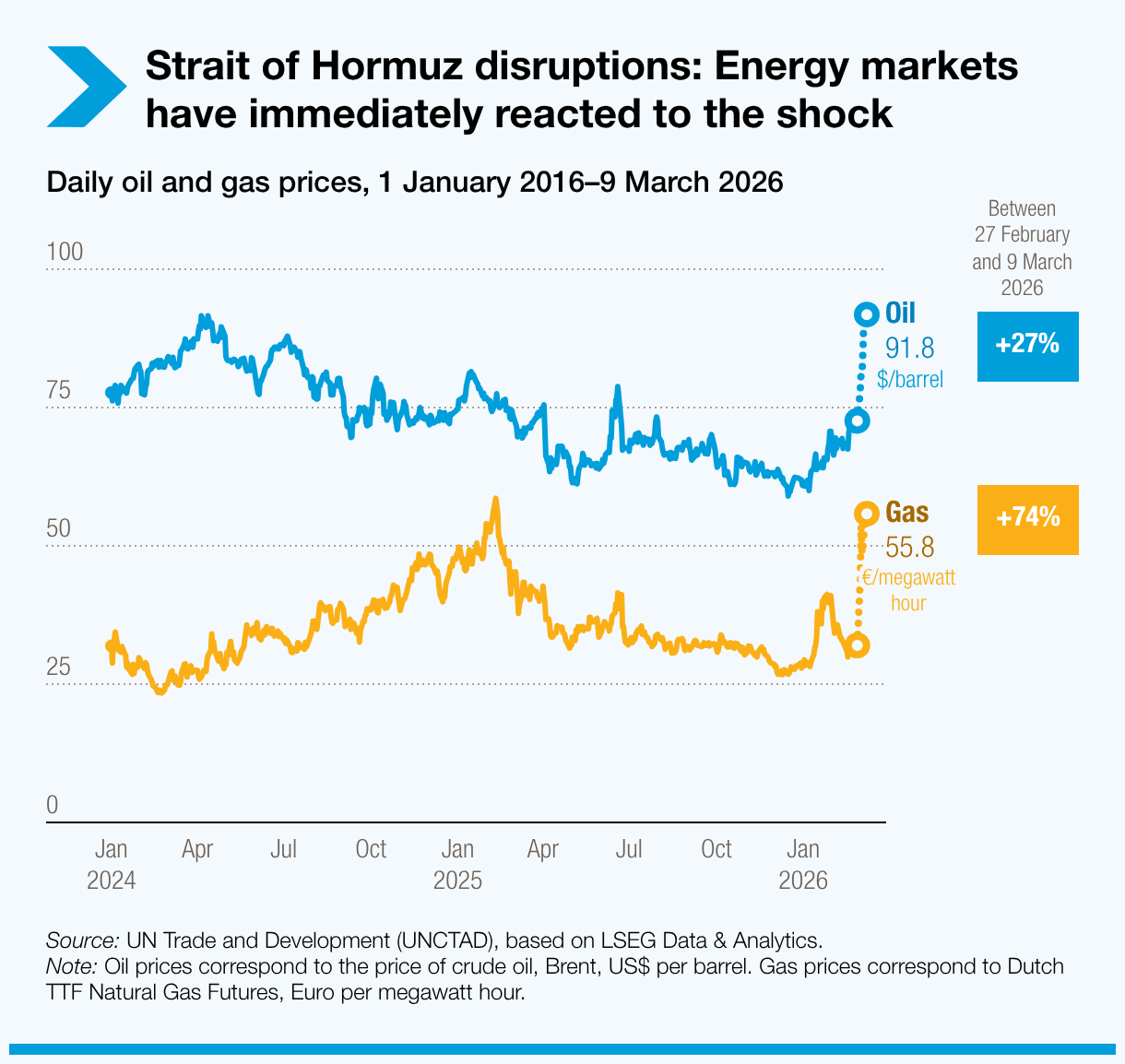
For instance, pressures in the strait can cause:
- Oil prices going up
- Higher fees for shipping insurance
- Uncertainty in the market
- Changes in how commerce happens throughout the world
Changes in the strait have a swift effect on energy markets, showing how a tiny area may affect the whole world economy.
For a lot of countries, keeping this waterway stable is important for planning their economies and managing their energy.
Importance for Asian Economies
A lot of Asian economies depend on energy imports from the Middle East. India, China, Japan, and South Korea are some of the countries that import a lot of oil and gas that go through the Strait of Hormuz.
A lot of the crude oil that India buys originates from Gulf nations. Because of this, any problems in the strait might change gasoline prices, transportation expenses, and the economy’s stability.
Asian nations keep a careful eye on what’s going on in the region since they depend on it, and they regularly take part in international talks about maritime security.
Security and Naval Presence
Several nations keep naval activities going in the waters of the Strait of Hormuz because it is so important for commercial routes.
Patrols by the Navy help:
- Keep commercial ships safe
- Stop piracy and other unlawful activity
- Make sure people may move about freely
- Keep an eye on possible security risks
Naval personnel from many countries working together helps keep this crucial maritime route stable.
These security steps show how important the strait is to the whole world.
Environmental Importance
The Strait of Hormuz is not only important for trade and strategy, but it is also part of a fragile marine ecology.
There are many types of marine life and coastal ecosystems in the seas around the strait. Heavy maritime traffic and moving oil raise the likelihood of environmental disasters like oil spills.
Because of this, protecting the environment in this area is vital for both local governments and international groups.
Finding a balance between economic activity and protecting the environment is still a big problem in the area.
Alternative Routes and Infrastructure
Some countries have tried to lessen their reliance on the Strait of Hormuz by building other ways to get around. This is because the Strait of Hormuz is such an important chokepoint.
Some of these other options are:
- Pipelines for oil that go around the strait
- Larger storage spaces
- Strategic oil reserves
But these other options can’t fully replace the huge amount of oil that goes through the strait.
Because of this, the Strait of Hormuz is still the most essential place in the world for moving energy.
Historical Significance
For hundreds of years, the Strait of Hormuz has been very vital for strategy. It was an important commercial route linking the Middle East, South Asia, and other areas even in ancient times.
:max_bytes(150000):strip_icc()/200199910-001-58b9cf5c5f9b58af5ca83533.jpg)
Control of this waterway has always been seen as important for both military and economic reasons.
The relevance of it has only grown because of modern shipping technology and the world’s need for energy.
The strait is still very important for world trade and politics today.
Why Stability in the Strait Matters
For the world to be stable, it typically needs safe transit routes for important supplies. It is very crucial to keep peace and cooperation in the region since so much of the world’s energy goes through the Strait of Hormuz.
International diplomacy, maritime law, and working together on security all help keep trade moving through this river.
Making sure that ships can safely pass through the strait is good for the economy of the nations that border it and for the economies of the globe as a whole.
Conclusion
The Strait of Hormuz is one of the most important waterways in the world for military purposes. Even though it is not very big, it is very important for trading, moving energy, and keeping the world safe.
This short tunnel connects the energy-rich Persian Gulf to markets all over the world. Every day, a large part of the world’s oil supply travels through it. Its relevance goes beyond economics; it also affects international relations, marine security, and geopolitics.
Many nations and international organisations still care about the Strait of Hormuz’s safety and security since it is so important. Knowing how important it is helps understand why this tiny canal continues to get attention from across the world and why keeping shipping routes safe in the area is important for the international economy.