Introduction
Education is widely recognised as one of the most powerful tools for building a better future. Schools do more than teach reading, writing, and mathematics. They provide stability, safety, friendships, and hope for young minds.
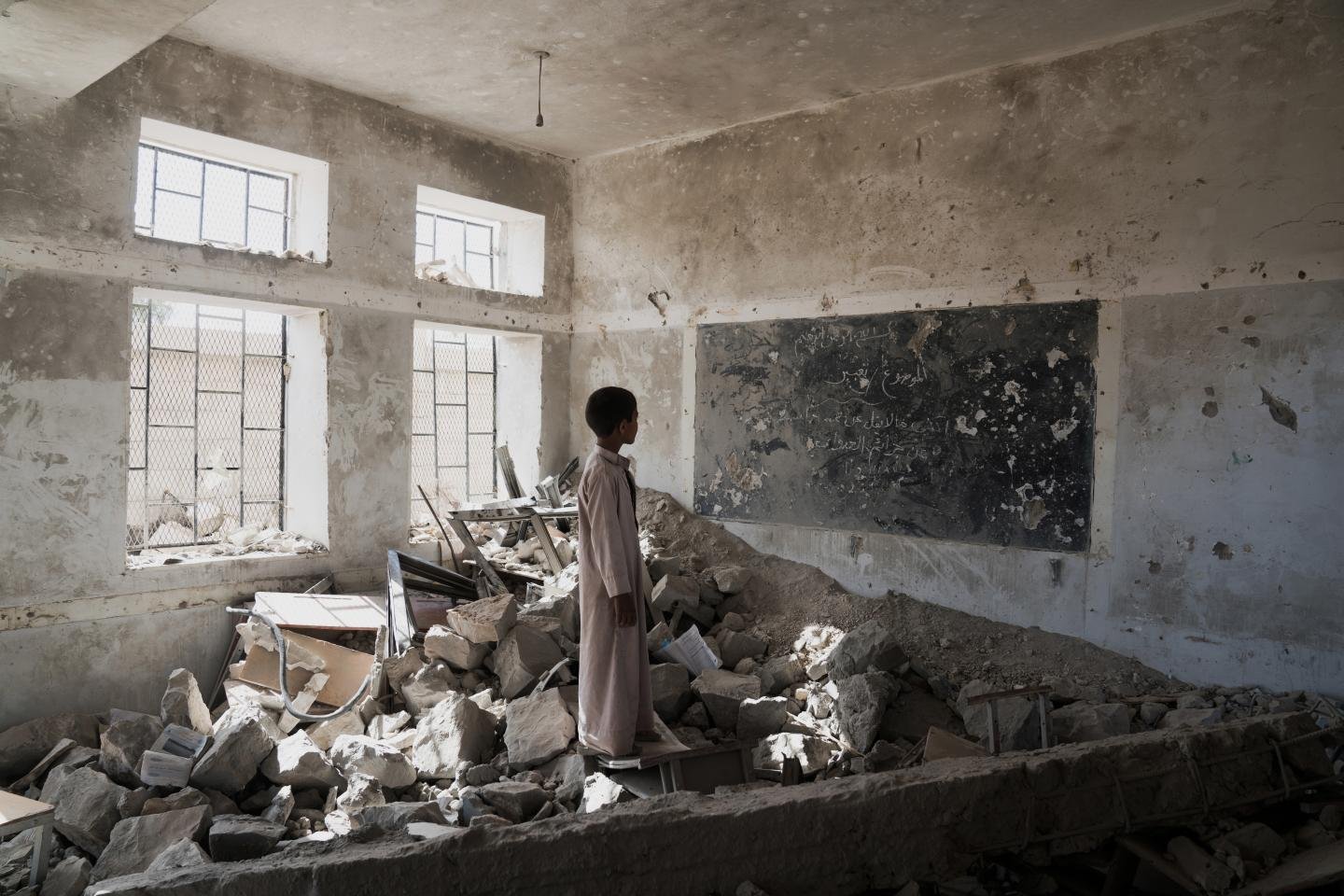
But when war breaks out, classrooms often become the first victims.
Across the world, conflicts have forced millions of children out of school. Schools are destroyed, teachers flee, families are displaced, and children are pushed into survival rather than learning. In many cases, education systems collapse entirely.
The result is a devastating cycle. When education disappears, the future of an entire generation becomes uncertain.
Understanding how war affects education is crucial for policymakers, educators, and humanitarian organisations working to protect children’s rights and rebuild societies after conflict.
War and the Right to Education
Education is recognised as a fundamental human right. The Universal Declaration of Human Rights states that every person has the right to education regardless of nationality, race, or circumstance.
However, during wars and humanitarian crises, this right is often ignored or impossible to guarantee. Conflict disrupts every part of the education system—from classrooms to teachers to textbooks.
In fragile countries affected by conflict, children are 30% less likely to complete primary school compared with children living in peaceful regions.
This gap reveals how deeply war interferes with learning opportunities.
The Global Scale of the Problem
The number of children whose education is disrupted by war is staggering.
According to global reports, more than 52 million children are currently out of school because of conflicts around the world, while nearly one in six children globally lives in a conflict-affected area.
These children live in regions where classrooms may be bombed, teachers may disappear, and families may be forced to flee their homes.
Countries such as Syria, Sudan, Ukraine, Yemen, Afghanistan, and Gaza have witnessed major disruptions to education due to prolonged conflict.
For millions of young people, the dream of education is replaced with the harsh reality of war.
Schools Destroyed or Damaged
One of the most visible effects of war on education is the destruction of schools.
School buildings are often damaged or completely destroyed during airstrikes, artillery attacks, or military occupations. Sometimes schools are used as military bases or shelters for displaced civilians.
For example, in Ukraine, thousands of educational facilities have been damaged or destroyed since the war escalated in 2022.
In Gaza, large portions of the educational infrastructure have been damaged during ongoing conflicts, leaving hundreds of thousands of students without classrooms.
When schools are destroyed, rebuilding them takes years. In the meantime, children lose valuable time in their education.
Displacement and Interrupted Learning
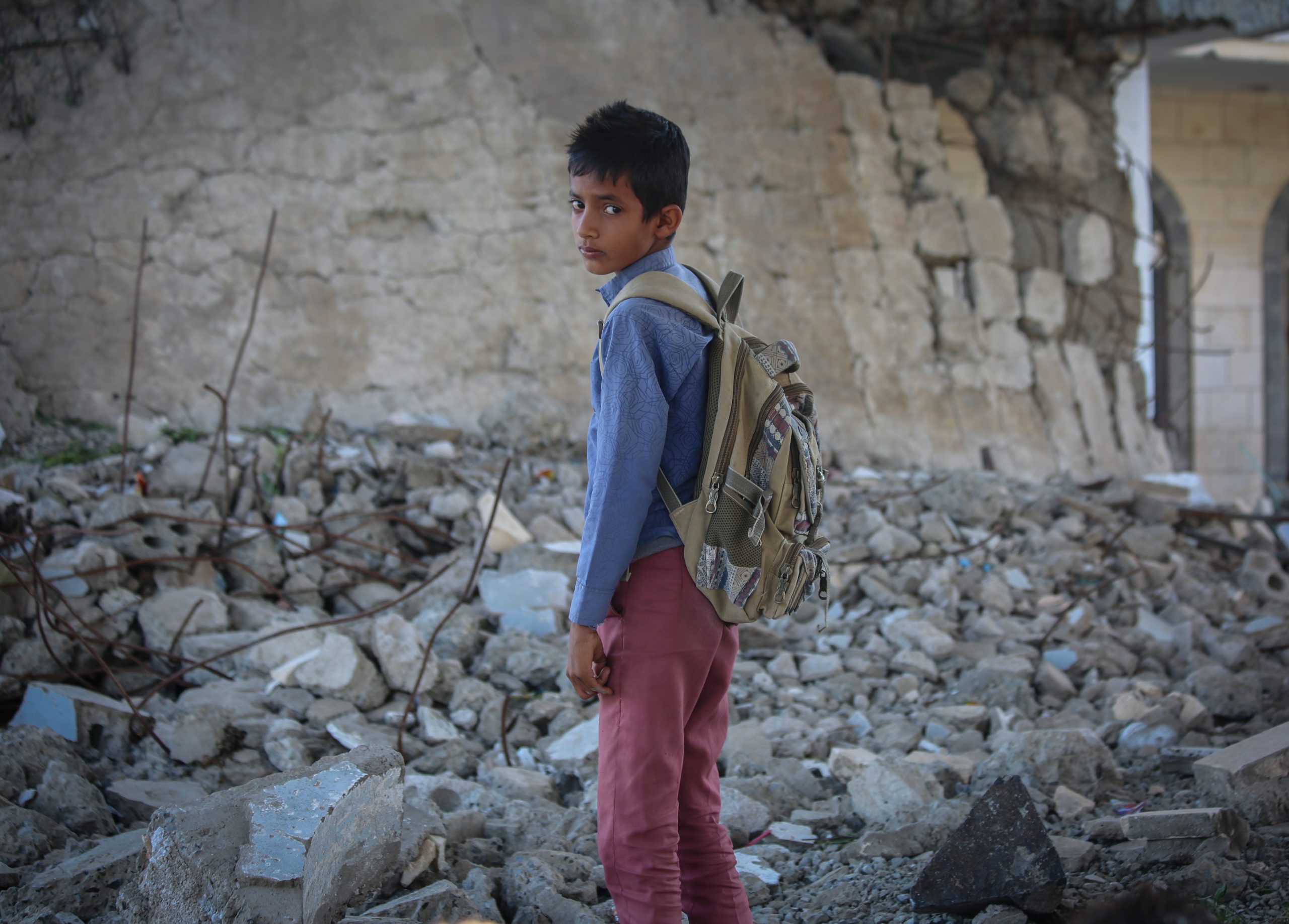
War forces families to flee their homes in search of safety. These displaced families often move to refugee camps or unfamiliar cities where access to education is limited.
Refugee children face enormous barriers when trying to continue their studies.
Only about half of refugee children have access to primary education, compared with more than 90% globally.
Several challenges contribute to this problem:
- Language barriers in host countries
- Lack of schools in refugee camps
- Shortage of teachers
- Limited financial resources
- Overcrowded classrooms
As a result, many displaced children drop out of school permanently.
The Loss of Teachers and Educational Staff
Teachers are the backbone of any education system. Unfortunately, war often forces teachers to abandon their profession.
Many educators flee conflict zones for safety. Others may be injured, killed, or recruited into military service.
When teachers disappear, schools cannot function properly.
Even when schools remain open, they often struggle with:
- Severe teacher shortages
- Untrained temporary instructors
- Reduced teaching quality
The absence of experienced teachers leads to long-term learning gaps among students.
Psychological Trauma and Learning Difficulties
War does not only destroy buildings. It also leaves deep emotional scars.
Children exposed to violence often suffer from trauma, anxiety, and stress. Many witness the loss of family members, friends, or neighbours.
Such experiences affect their ability to learn.
Children in war zones frequently experience:
- Nightmares and fear
- Difficulty concentrating
- Depression and emotional withdrawal
- Behavioural problems
Education becomes extremely challenging when students are coping with trauma.
Schools normally provide a safe environment where children can develop socially and emotionally. But in war zones, that safe environment often disappears.
Increased Child Labour and Exploitation
When education systems collapse, children become more vulnerable to exploitation.
Without school, many children are forced to work to support their families. Some become involved in dangerous labour such as construction, agriculture, or street vending.
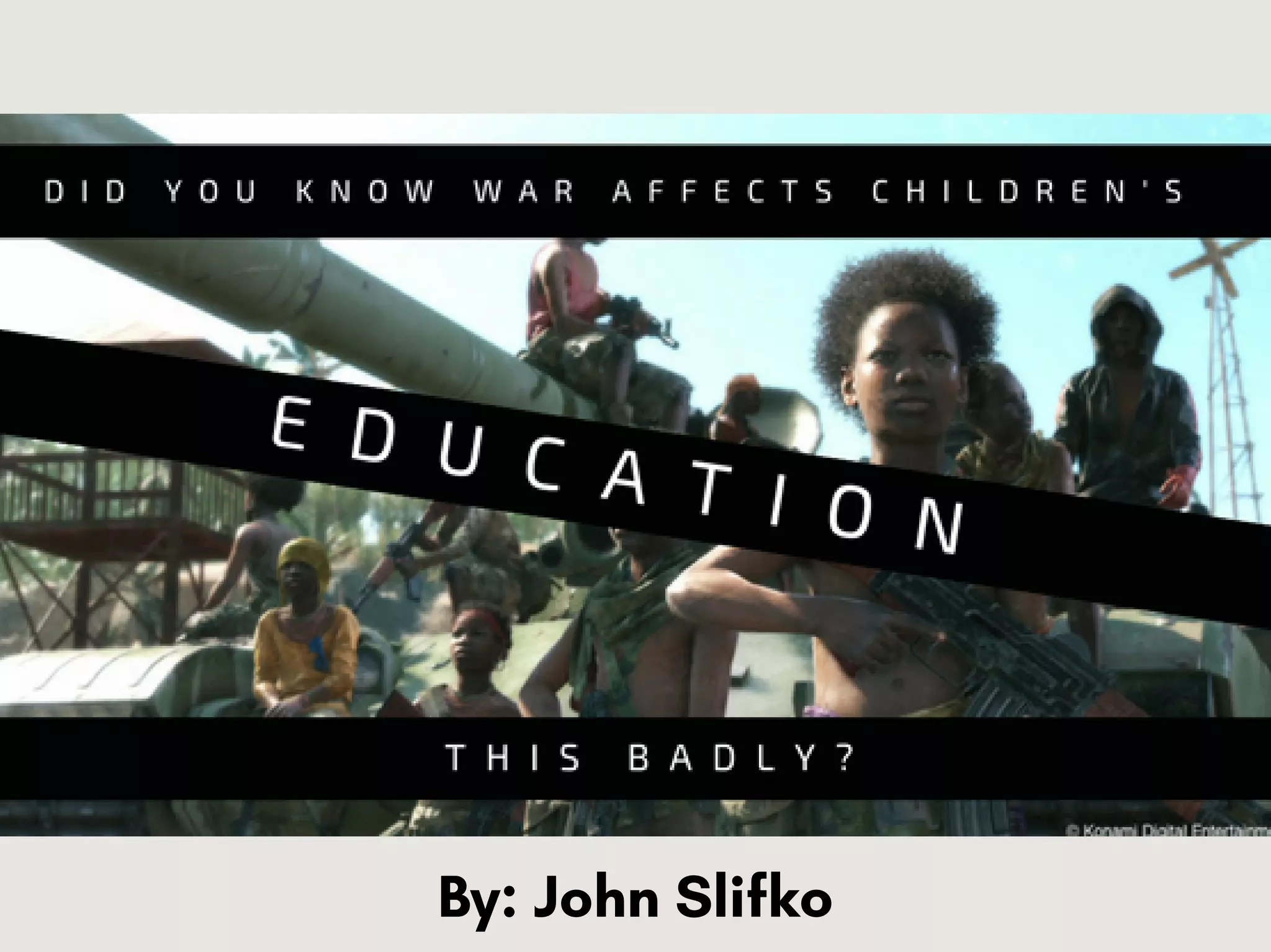
In extreme cases, children may even be recruited into armed groups.
Girls face additional risks when education is disrupted. Without school protection, they are more likely to experience early marriage, domestic labour, or gender-based violence.
Education acts as a protective barrier. When that barrier is removed, children face far greater risks.
The Economic Consequences of Lost Education
The impact of war on education extends far beyond childhood.
A generation that misses out on schooling faces significant economic disadvantages later in life.
Education is closely linked to employment opportunities, income levels, and economic growth. When children lose years of education, their future earning potential declines.
Studies have shown that education gaps caused by emergencies can reduce long-term national productivity and economic stability.
In other words, war damages not only individual futures but also the development of entire nations.
Gender Inequality in Conflict Zones
Girls often suffer the most when war disrupts education.
In many conflict-affected regions, families prioritise the safety of boys’ education while keeping girls at home. Cultural expectations may also lead families to arrange early marriages when schooling stops.
As a result, millions of girls lose the chance to complete their education.
Without education, girls face limited career opportunities and reduced independence.
This gender gap can persist for generations, affecting health outcomes, economic participation, and social equality.
The Role of Education in Building Peace
Ironically, education is not only a victim of war—it is also one of the most powerful tools for preventing it.
Education helps promote:
- Critical thinking
- Tolerance and understanding
- Civic responsibility
- Social cohesion
When children from different backgrounds learn together, they are more likely to build peaceful communities.
Education also helps societies rebuild after conflict. Skilled graduates are needed to restore infrastructure, rebuild institutions, and strengthen democratic systems.
For this reason, many humanitarian organisations view education as a key part of peacebuilding.
Efforts to Protect Education During War
Despite the enormous challenges, international organisations are working to protect education during conflicts.
Humanitarian agencies, governments, and NGOs are implementing strategies to keep learning alive even in dangerous environments.
Some common initiatives include:
Temporary Learning Spaces
When schools are destroyed, organisations set up temporary classrooms in tents, community centres, or refugee camps.
These spaces allow children to continue learning while permanent schools are rebuilt.
Distance and Digital Learning
Technology has become an important tool in conflict zones. Online classes, radio programmes, and mobile learning platforms help children continue their education when schools are closed.
Teacher Support Programmes
International agencies often train local teachers, provide emergency salaries, and supply teaching materials to maintain education systems during crises.
School Protection Policies
Global campaigns such as the Safe Schools Declaration encourage governments to protect schools from military use and attacks.
Why Education Must Be a Priority in Humanitarian Response
During emergencies, immediate needs such as food, shelter, and healthcare often receive the most attention.
However, education should also be considered a life-saving intervention.
Schools provide far more than academic learning. They offer children safety, emotional support, and a sense of normal life during chaotic times.
Without education, children in conflict zones risk becoming a “lost generation.”
Investing in education during crises helps preserve hope and stability for young people who have already endured immense hardship.
Rebuilding Education After War
Rebuilding an education system after conflict is a long and complex process.
Governments and international partners must address multiple challenges:
- Reconstructing damaged schools
- Recruiting and training teachers
- Developing updated curricula
- Supporting traumatised students
- Reintegrating displaced children into classrooms
Rebuilding schools is only the first step. Restoring trust in the education system is equally important.
Communities must feel confident that schools are safe places where children can learn without fear.
The Future of Education in Conflict Zones
Despite the devastation caused by war, many inspiring stories show the resilience of students and teachers.
In refugee camps, children often walk long distances just to attend temporary schools. Teachers continue to educate students even with limited resources.
These efforts highlight the universal human desire for knowledge and hope.
The international community must continue supporting programmes that protect education during crises and rebuild learning systems after conflict.
Ensuring access to education is not just a humanitarian obligation—it is an investment in a more peaceful and stable world.
Conclusion
War affects education in profound and far-reaching ways.
Schools are destroyed, teachers disappear, and millions of children are forced out of classrooms. Displacement, trauma, and poverty create barriers that make learning almost impossible.
Yet education remains one of the most powerful tools for rebuilding societies and preventing future conflicts.
Protecting schools, supporting teachers, and ensuring access to learning must remain global priorities.
Because when education disappears, the cost is not just measured in lost classrooms—it is measured in lost futures.