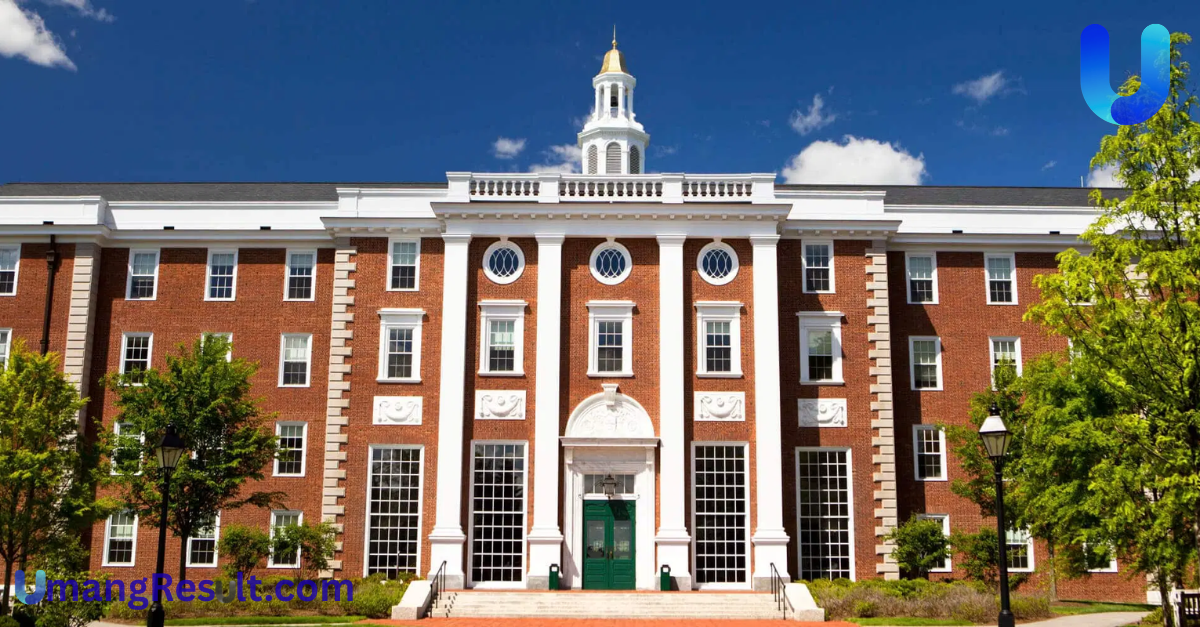
Every year, millions of students across the world search for one phrase: Harvard University acceptance rate. The number they find is usually shocking. It is small. Very small. Often hovering around 3–4% in recent years. That means out of every 100 applicants, only three or four receive an offer. But that statistic alone does not tell the full story. The acceptance rate is not just a measure of exclusivity — it is a reflection of overwhelming demand, institutional priorities, and a holistic admissions philosophy. To understand what it truly takes to get into Harvard, one must look beyond percentages and into process.
The Reality Behind the Harvard University Acceptance Rate
On the surface, the acceptance rate sounds intimidating.
If Harvard receives over 50,000 applications in a year and admits roughly 1,500–2,000 students, the percentage drops dramatically. But that small number does not automatically mean every rejected student was unqualified.
In reality, a large portion of applicants are academically strong. Many have near-perfect grades, high test scores, leadership roles, and impressive extracurriculars.
The harsh truth is this: at Harvard’s level, qualification is expected. Differentiation becomes the deciding factor.
The acceptance rate reflects volume, not simply difficulty.
Why So Many Students Apply
The Harvard name carries global power. For some students, it symbolises academic excellence. For others, it represents opportunity, networking, or long-term career advantage.
International students apply because the degree travels across borders. American students apply because it is often seen as the pinnacle of achievement. Some apply simply to test themselves.
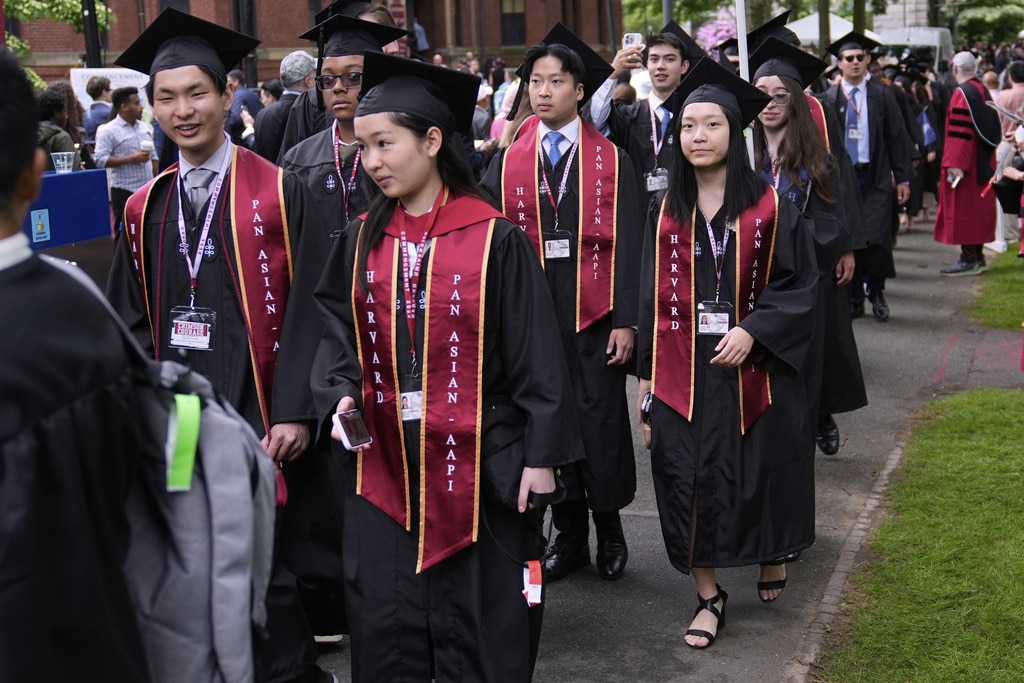
The brand attracts ambition.
And ambition creates competition.
As application numbers rise each year, the acceptance rate naturally decreases — even if the number of available seats remains stable.
Holistic Admissions: Beyond Grades and Scores
One of the most misunderstood aspects of Harvard University acceptance rate is the admissions philosophy behind it.
Harvard does not admit students based solely on numerical ranking. Its process is holistic, meaning admissions officers evaluate:
- Academic achievement
- Course rigour
- Personal essays
- Teacher recommendations
- Extracurricular involvement
- Leadership impact
- Character and resilience
- Unique background or perspective
Two students with identical grades may receive different decisions depending on personal narrative and overall contribution potential.
Harvard looks for intellectual vitality — curiosity that extends beyond classroom requirements.
Grades prove capability. Essays reveal personality.
Academic Excellence Is the Baseline
It would be unrealistic to downplay academic expectations.
Most admitted students have outstanding academic records. They challenge themselves with advanced coursework. They demonstrate mastery in subjects that align with their interests.
Standardised test scores, where applicable, often fall in the highest percentiles.
But here is the nuance: academic excellence alone does not secure admission.
At Harvard’s level, academic readiness is assumed. The evaluation then shifts toward impact, initiative, and authenticity.
Extracurricular Depth Over Quantity
Many applicants believe that more activities improve chances.
In reality, depth often matters more than breadth.
Admissions committees tend to value sustained commitment and meaningful contribution. For example:
- A student who led a community health initiative for several years may stand out more than someone who briefly joined ten clubs.
- A young researcher who published independent findings demonstrates initiative beyond participation.
- An artist who developed a distinct portfolio shows creative depth.
Impact leaves a stronger impression than participation alone.
Harvard seeks individuals who demonstrate passion translated into action.
Essays: The Human Dimension
If grades establish credibility, essays establish identity.
Personal statements allow applicants to communicate their voice, values, and intellectual motivations.
Strong essays often reveal:
- Intellectual curiosity
- Self-awareness
- Reflection on growth
- Resilience in adversity
- Contribution mindset
Admissions officers read thousands of applications. Authenticity becomes noticeable.
A polished but generic essay may blend into the crowd. A sincere, thoughtful narrative can differentiate an applicant.
In a pool of high achievers, storytelling matters.
Letters of Recommendation
Teacher and mentor recommendations add context.
A transcript shows performance. A recommendation explains character.
Admissions officers value insights into how students engage in classrooms:
- Do they elevate discussions?
- Do they support peers?
- Do they demonstrate intellectual risk-taking?
A compelling recommendation can highlight intangible qualities that numbers cannot capture.
Institutional Priorities and Class Composition
The Harvard University acceptance rate also reflects institutional priorities.
Admissions decisions are not made in isolation. The university builds a class — not a collection of individuals.
It considers:
- Academic interests balance
- Geographic diversity
- Socio-economic representation
- International representation
- Talents in arts, athletics, research, and leadership
An applicant’s strength may align more or less with current institutional needs.
This reality explains why equally qualified applicants can receive different outcomes.
Admissions is selection, not rejection.
Financial Aid and Access
Harvard’s financial aid policies have expanded significantly. For many families within specific income ranges, tuition can be fully covered.
This commitment to accessibility increases application numbers from diverse backgrounds.
As access improves, competition widens.
The acceptance rate reflects this inclusivity-driven demand.
The Emotional Weight of Rejection
Given the low Harvard University acceptance rate, rejection is statistically likely.
For many students, that decision feels deeply personal. Years of preparation appear to culminate in a single email.
But rejection from Harvard does not equate to inadequacy.
At such a low acceptance rate, many exceptional students inevitably receive denials.
Admissions decisions reflect institutional constraints as much as individual evaluation.
Success remains possible — and common — beyond Harvard’s gates.
Early Action and Strategic Considerations
Harvard offers a restrictive early action programme.
Some applicants choose early application to demonstrate commitment. While early acceptance rates may vary, the applicant pool often includes highly prepared candidates.
Strategic timing alone does not guarantee success. Application strength remains central.
Students should prioritise authenticity and readiness over tactical speculation.
What Truly Sets Successful Applicants Apart
Patterns among admitted students often include:
- Demonstrated intellectual curiosity beyond syllabus
- Leadership with measurable impact
- Authentic personal narrative
- Resilience in overcoming challenges
- Contribution to community
- Clear academic direction
Harvard does not seek perfection. It seeks potential combined with initiative.
Acceptance Rate in Context
While the Harvard University acceptance rate is extremely low, perspective matters.
Many outstanding universities worldwide offer rigorous education, research opportunity, and career pathways.
Harvard’s selectivity amplifies prestige — but education quality depends on engagement, not label alone.
Students thrive where they are challenged and supported.
Conclusion

The Harvard University acceptance rate tells a story of demand, competition, and selectivity — but not the whole story.
Behind that small percentage lies a holistic process that evaluates intellect, character, initiative, and potential contribution.
Getting into Harvard requires academic excellence, yes — but also authenticity, impact, and intellectual vitality.
And not getting in does not diminish capability.
The acceptance rate measures selectivity.
It does not measure worth.