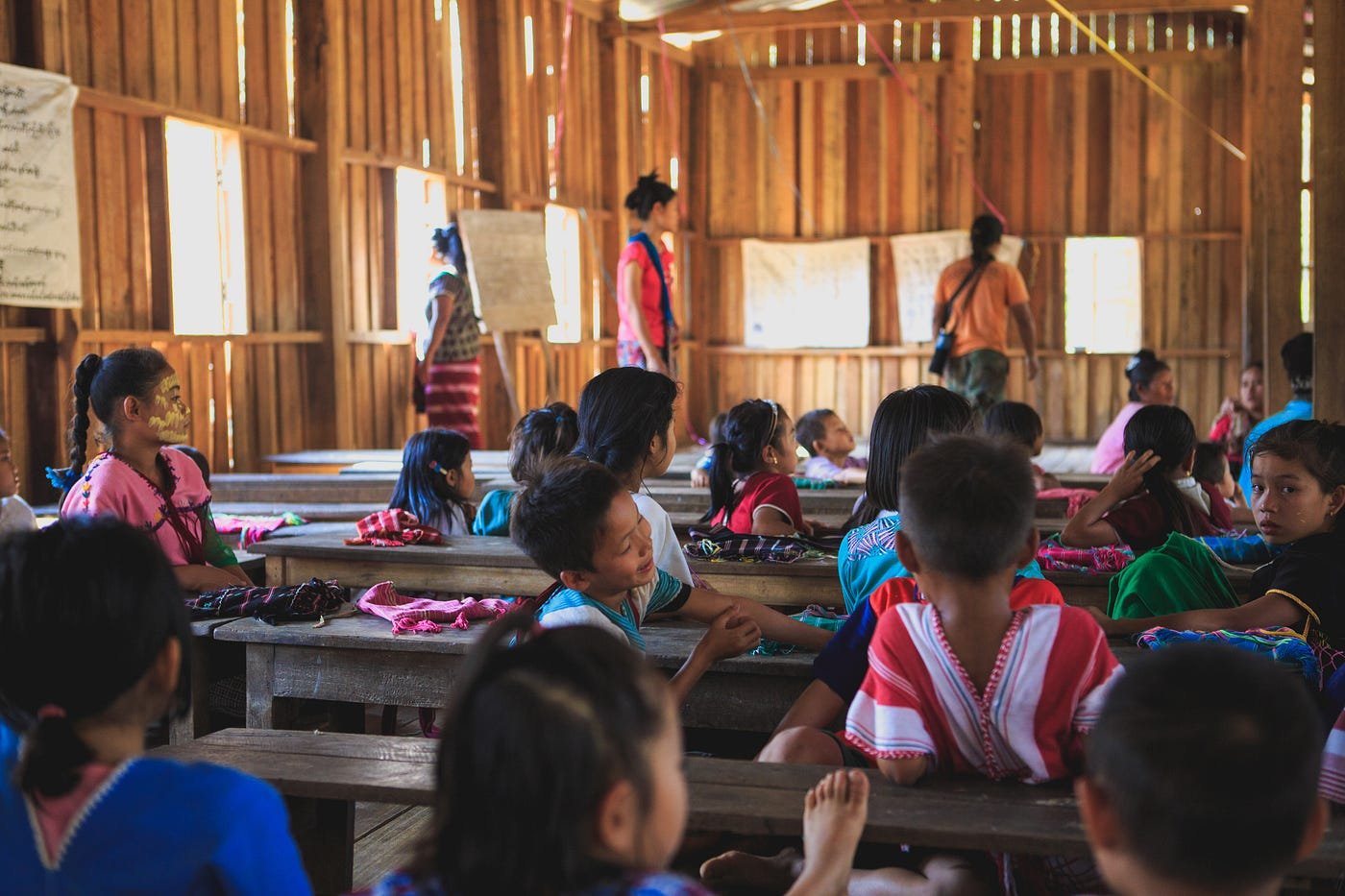
The global education access crisis remains one of the biggest challenges of our time, as highlighted in the latest Global Education Monitoring (GEM) Report 2026. Despite global commitments under Sustainable Development Goal 4 (SDG 4), progress in ensuring inclusive and equitable quality education is falling short, leaving millions of children and youth without access to schooling.
Introduction: The Promise vs Reality of SDG 4
In 2015, countries around the world committed to achieving SDG 4, which aims to ensure inclusive and equitable quality education for all by 2030. However, nearly a decade later, the gap between promise and progress is becoming increasingly evident.
The GEM Report, published by UNESCO, serves as a global benchmark for tracking education progress. It highlights that while enrolment and completion rates have improved in some regions, the world is still far from achieving universal education.
Key Findings of the GEM Report 2026
-
Millions Still Out of School
One of the most alarming findings is that millions of children and youth remain out of school globally. Estimates suggest that over 250 million learners are still not in school, reflecting minimal progress in reducing exclusion over the years.
This stagnation highlights a critical failure in addressing systemic barriers to education.
-
Progress is Too Slow to Meet 2030 Goals
Although countries have committed to reducing the number of out-of-school children, current projections indicate that they are off track to meet SDG 4 targets.
- Countries are expected to miss key education benchmarks by 2025
- Significant gaps remain across primary, secondary, and higher education levels
This slow pace of progress raises serious concerns about meeting the 2030 deadline.
-
Inequality Remains a Major Barrier
Educational inequality continues to divide the world:
- Low-income countries face the highest exclusion rates
- Girls, rural populations, and marginalized communities are most affected
- Conflict-affected regions show the poorest outcomes
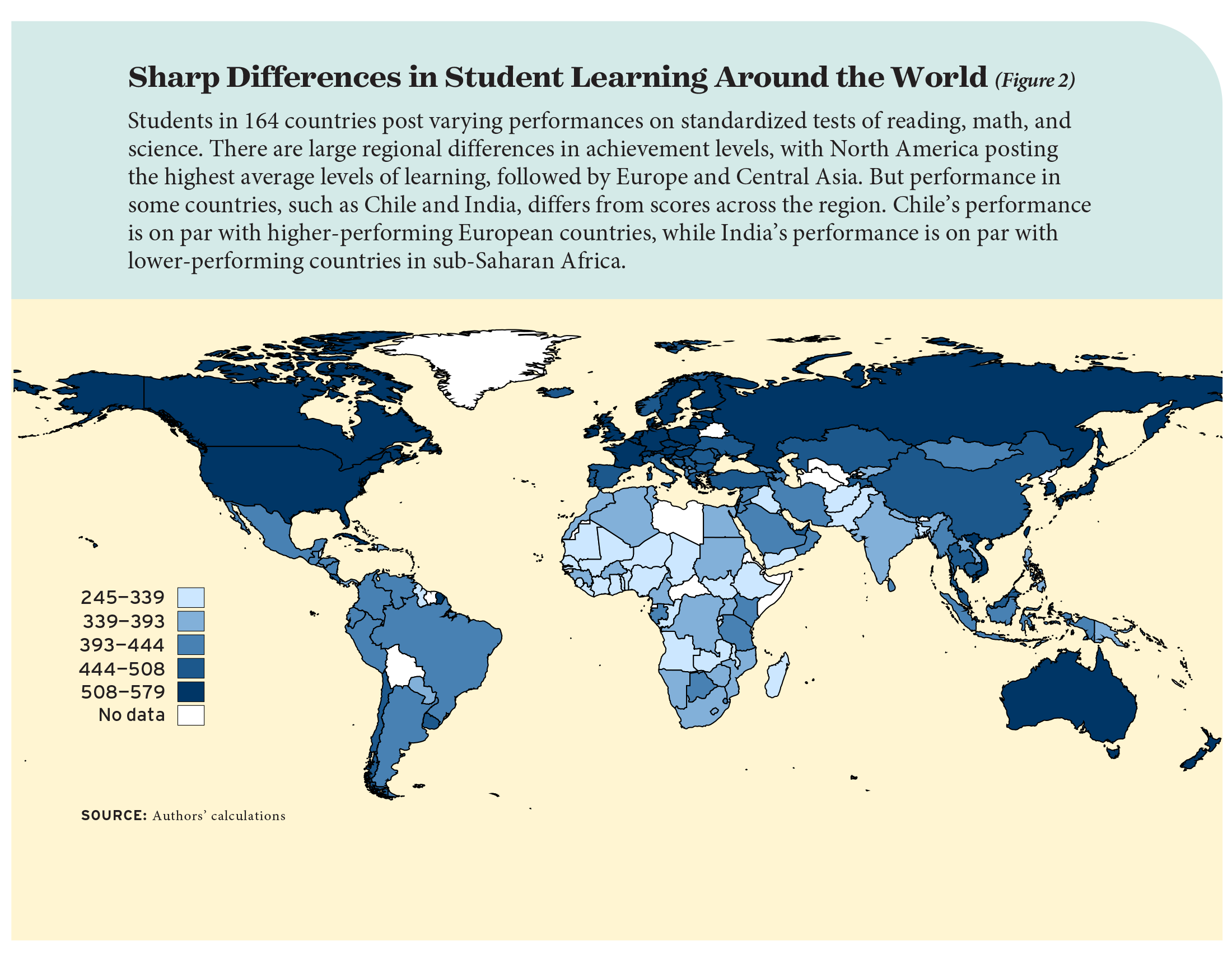
In some low-income nations, up to one-third of children are out of school, compared to minimal levels in high-income countries.
- Secondary Education is the Biggest Challenge
While progress has been made in primary education, secondary education remains a major concern:
- A large proportion of adolescents drop out before completing school
- Upper secondary education shows the highest exclusion rates
This trend limits opportunities for higher education and employment.
Why is the World Falling Behind?
-
Lack of Adequate Funding
Underinvestment in education is a key reason behind slow progress. Many countries struggle to allocate sufficient resources to build infrastructure, train teachers, and improve learning outcomes.
-
Conflict and Political Instability
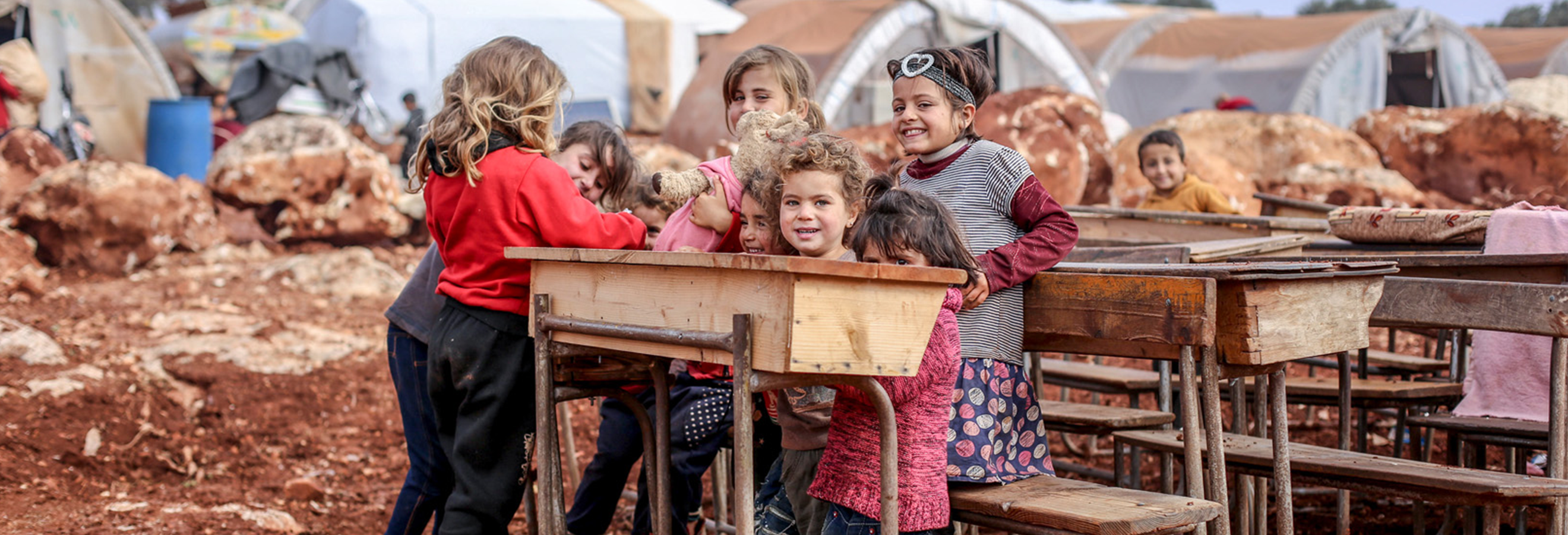
War, displacement, and political crises disrupt education systems, leaving millions of children without access to schools.
-
Population Growth and System Pressure
Rapid population growth in some regions is putting immense pressure on already weak education systems, making it difficult to keep up with demand.
-
Policy Gaps and Implementation Issues
Even where policies exist, poor implementation often prevents real progress. Bridging the gap between planning and execution remains a major challenge.
The Role of the GEM Report in Global Education
The Global Education Monitoring Report plays a crucial role in:
- Tracking global progress toward SDG 4
- Providing data-driven insights for policymakers
- Highlighting gaps and challenges
- Encouraging accountability among governments
It is widely regarded as one of the most authoritative sources on global education trends and policies.
What Needs to Be Done?
- Increase Investment in Education
Governments and international organizations must prioritize education funding to ensure access for all.
- Focus on Equity and Inclusion
Policies should target marginalized groups, ensuring that no child is left behind.
- Strengthen Education Systems
Improving teacher training, infrastructure, and curriculum quality is essential for long-term progress.
- Promote Global Collaboration
International cooperation can help share resources, knowledge, and best practices to address global education challenges.
Implications for the Future
If current trends continue, the world risks:
- Missing the 2030 education targets
- Increasing inequality between nations
- Limiting economic growth and development
Education is not just a fundamental right—it is a key driver of sustainable development, social stability, and global prosperity.
Conclusion
The GEM Report 2026 serves as a wake-up call for governments, policymakers, and global stakeholders. While progress has been made, it is not enough.
The world must act urgently to address the global education access crisis. Without immediate and sustained efforts, millions of children will continue to be denied their right to education—jeopardizing the future of entire generations.
FAQs
- What is the Global Education Monitoring (GEM) Report?
It is an annual report by UNESCO that tracks global progress toward education goals under SDG 4.
- What is SDG 4?
SDG 4 aims to ensure inclusive and equitable quality education for all by 2030.
- How many children are still out of school globally?
Over 250 million children and youth remain out of school worldwide.
- Why is progress in education slow?
Key reasons include lack of funding, conflict, inequality, and weak policy implementation.
- Which regions are most affected?
Low-income and conflict-affected regions, especially in sub-Saharan Africa, face the biggest challenges.
- What can be done to improve global education access?
Increased funding, inclusive policies, stronger systems, and global cooperation are essential.