In Hindu tradition, fasting is not just about avoiding food. It is seen as a powerful spiritual discipline that helps purify the body and mind. Among the many sacred fasts observed throughout the year, Ekadashi Vrat holds a special place.
For millions of devotees across India, Ekadashi is a day of prayer, fasting, and devotion to Lord Vishnu. Temples become more active, people chant mantras, and families follow specific rituals to observe the vrat.
But many people often wonder about a simple question:
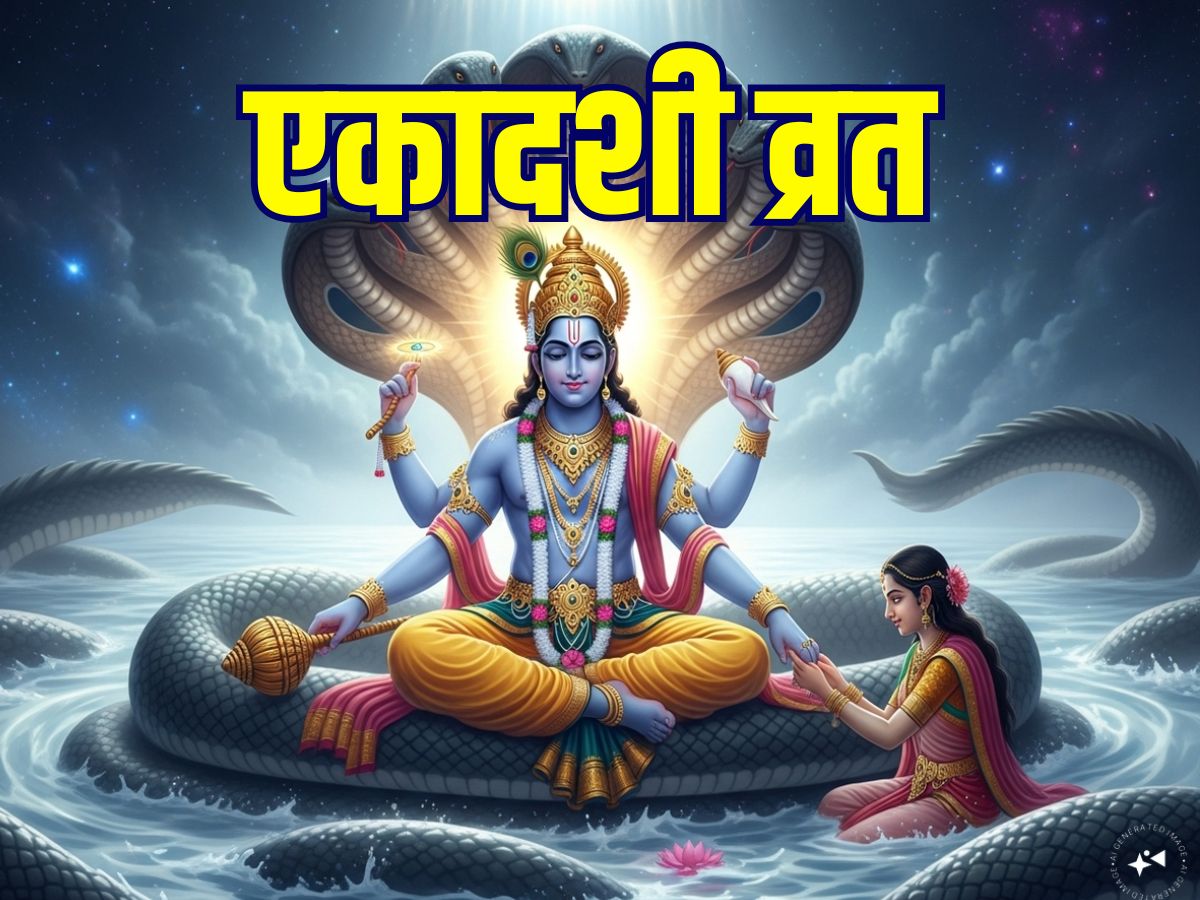
Why does Ekadashi occur twice every month?
To understand this, one must look at the Hindu lunar calendar, ancient scriptures, and the deeper spiritual philosophy behind this sacred day.
This article explains the meaning of Ekadashi, its religious significance, why it occurs twice a month, and how devotees observe the vrat.
What is Ekadashi?
The word Ekadashi comes from Sanskrit.
- “Eka” means one
- “Dashi” means ten
Together, the word means “eleven.”
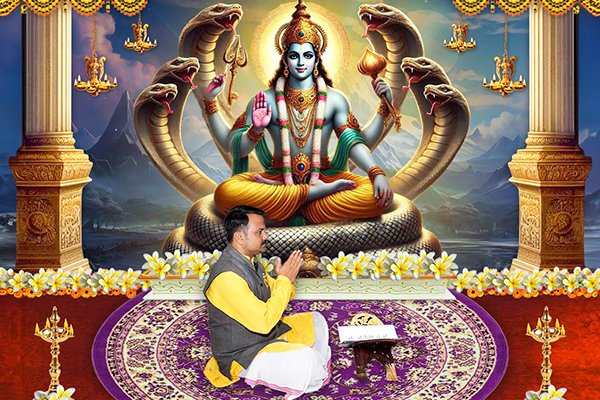
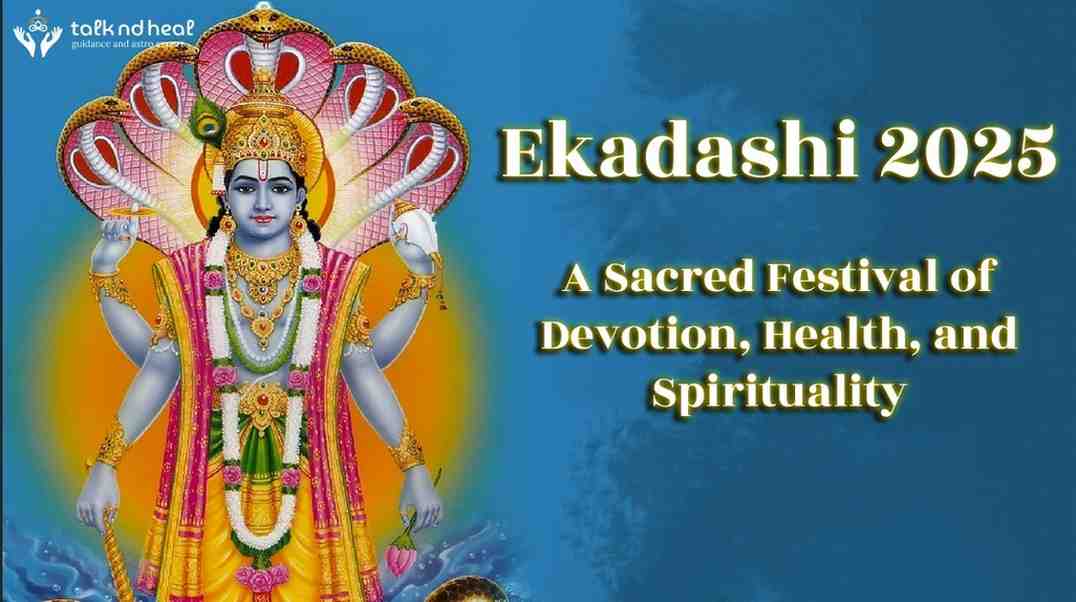
Ekadashi refers to the 11th day (tithi) of the lunar fortnight in the Hindu calendar. This day is considered highly sacred and is dedicated to Lord Vishnu, the preserver of the universe in Hindu belief.
On this day, devotees observe fasting, perform prayers, and engage in spiritual practices such as chanting Vishnu mantras or reading sacred texts.
According to many scriptures, Ekadashi fasting helps devotees purify their mind and strengthen their devotion.
Why Ekadashi Comes Twice Every Month
To understand this, we need to understand the structure of the Hindu lunar calendar.
A lunar month in Hindu tradition is divided into two phases:
- Shukla Paksha – the waxing phase of the moon (when the moon grows brighter)
- Krishna Paksha – the waning phase of the moon (when the moon gradually becomes darker)
Each phase lasts about 15 days.
Ekadashi falls on the 11th day of each of these phases, which means it naturally appears twice every lunar month.
So there are:
- One Shukla Paksha Ekadashi
- One Krishna Paksha Ekadashi
Because there are twelve months in the Hindu calendar, devotees usually observe around 24 Ekadashi fasts every year.
Religious Significance of Ekadashi
Ekadashi is considered one of the most sacred fasting days in Hinduism.
Ancient scriptures such as the Padma Purana, Skanda Purana, and Vishnu Purana highlight the importance of this day.
According to these texts:
- Fasting on Ekadashi helps remove sins
- It brings spiritual purification
- It helps devotees move closer to liberation (moksha)
Many religious stories also describe Ekadashi as a divine energy that protects devotees from negative karma.
Because of this, Ekadashi is sometimes called the “King of all Vrats.”
The Mythological Story Behind Ekadashi
Hindu mythology contains a fascinating story explaining the origin of Ekadashi.
According to legend, a powerful demon named Mura once attacked the gods. Lord Vishnu fought with him for a long time but eventually rested inside a cave.
During this time, a divine female energy emerged from Lord Vishnu’s body and defeated the demon.
When Vishnu woke up, he blessed this divine energy and named her Ekadashi. He declared that anyone who observed fasting on this day would receive spiritual blessings and liberation.
Since then, devotees began observing the Ekadashi fast in honour of Lord Vishnu.
Spiritual Meaning of Ekadashi Fasting
The idea behind fasting is not only religious but also psychological and spiritual.
Ancient Hindu philosophy believes that controlling the senses helps people control their mind.
During Ekadashi, devotees practise:
- Self-discipline
- Meditation
- Prayer
- Charity
Scriptures say that fasting allows the mind to become calmer and more focused on spiritual practices.
Instead of focusing on worldly desires, the day encourages people to focus on devotion and inner peace.
Types of Ekadashi Observances
Not everyone observes Ekadashi in the same way.
Different devotees follow different types of fasting depending on their health, tradition, or family customs.
- Nirjala Ekadashi
This is the strictest form of fasting.
Devotees avoid both food and water for the entire day.
- Phalahar Ekadashi
In this type, devotees eat fruits, milk, and nuts but avoid grains and regular meals.
- Partial Fast
Some people simply avoid certain foods such as rice, wheat, lentils, onion, and garlic.
The goal is to maintain spiritual discipline rather than physical hardship.
Rituals Performed on Ekadashi
Devotees follow several traditional rituals during Ekadashi.
Early Morning Bath
The day usually begins with a holy bath, followed by prayers to Lord Vishnu.
Temple Visits
Many people visit Vishnu temples to offer flowers, lamps, and Tulsi leaves.
Mantra Chanting
Devotees chant sacred mantras such as:
“Om Namo Bhagavate Vasudevaya”
Reading Religious Texts
Reading the Bhagavad Gita or Vishnu Sahasranama is considered very auspicious.
Night Vigil (Jagran)
Some devotees stay awake at night, singing devotional songs and performing prayers.
Foods Avoided During Ekadashi
One of the most important aspects of Ekadashi fasting is avoiding certain foods.
Traditionally, devotees avoid:
- Rice
- Wheat
- Lentils
- Beans
- Onion and garlic
Instead, people eat foods such as:
- Fruits
- Milk and dairy products
- Sabudana (sago)
- Singhara flour
- Nuts and dry fruits
The idea is to keep the diet simple and pure.
Health Benefits of Ekadashi Fasting
Although Ekadashi fasting is primarily religious, many people believe it also offers health benefits.
Periodic fasting may help:
- Improve digestion
- Detoxify the body
- Rest the digestive system
- Improve mental clarity
Ancient Ayurvedic traditions also support occasional fasting as a way to maintain balance in the body.
Famous Ekadashi Days in the Year
Each Ekadashi has a different name and spiritual significance.
Some of the most popular ones include:
Devshayani Ekadashi
Marks the beginning of the sacred Chaturmas period.
Vaikuntha Ekadashi
Considered one of the most important Ekadashis in South India.
Nirjala Ekadashi
Known for strict fasting without water.
Putrada Ekadashi
Believed to bring blessings for children and family prosperity.
Each of these Ekadashis has its own story and rituals in Hindu scriptures.
Why Ekadashi is Still Popular Today
Despite modern lifestyles, Ekadashi remains one of the most widely observed fasts in India.
There are several reasons for its lasting popularity.
Strong Religious Faith
Millions of devotees believe Ekadashi brings blessings from Lord Vishnu.
Simple Rituals
Unlike many festivals, Ekadashi does not require elaborate ceremonies.
Personal Discipline
Many people observe the fast as a way to practise self-control and mindfulness.
Cultural Tradition
For many families, Ekadashi fasting has been followed for generations.
Ekadashi in Modern Life
Even in today’s busy world, many people continue to observe Ekadashi.
Some follow the vrat strictly, while others adapt it according to their lifestyle.
For example:
- Some people fast only during the daytime
- Others avoid grains but eat fruits and milk
- Some observe the vrat only on important Ekadashis
The essence remains the same—devotion, discipline, and spiritual reflection.
The Deeper Philosophy Behind Ekadashi
Beyond rituals and fasting, Ekadashi represents something deeper.
It reminds people to pause from the fast pace of daily life and reconnect with spirituality.
By avoiding food and distractions, devotees create space for:
- prayer
- meditation
- self-reflection
- gratitude
In this sense, Ekadashi is not just a religious ritual—it is a practice of mindfulness and spiritual awareness.
Final Thoughts
Ekadashi Vrat is one of the most important spiritual traditions in Hindu culture.
Observed on the 11th day of both lunar phases, it naturally occurs twice every month, giving devotees regular opportunities for spiritual purification and devotion.
For centuries, people have believed that fasting on Ekadashi brings peace of mind, removes negative karma, and strengthens the connection with Lord Vishnu.
Whether observed strictly or symbolically, Ekadashi continues to inspire millions of devotees to practise discipline, faith, and inner reflection.
And in a world that often feels rushed and distracted, a day dedicated to simplicity, devotion, and self-control remains as meaningful as ever.