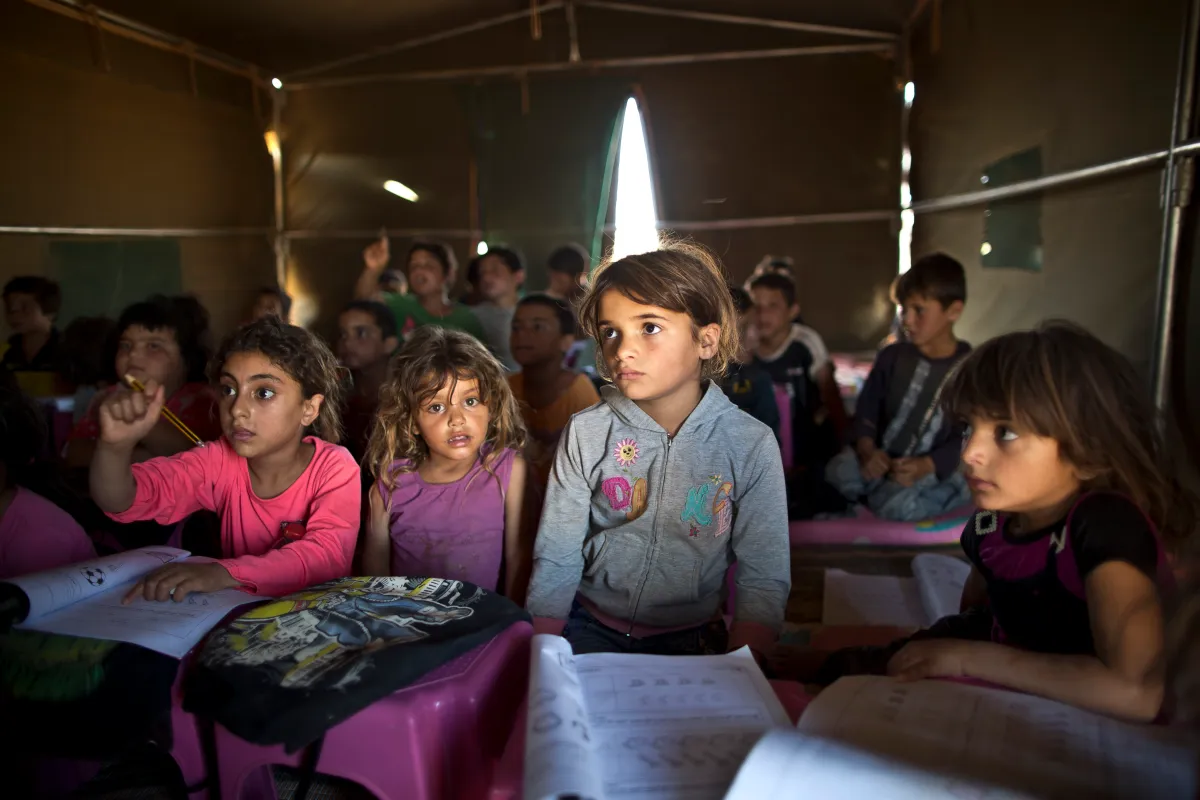
In many parts of the world, the sound of a school bell signals hope, learning, and a better future. But in large parts of the Middle East today, that sound has been replaced by explosions, sirens, and fear. A growing education crisis—driven by ongoing conflicts—is silently shaping the lives of millions of children, leaving scars that may last for generations.
Recent reports highlight a deeply concerning reality: war is not only destroying infrastructure and economies but also robbing children of their most fundamental right—the right to education.
A Generation Locked Out of Classrooms
According to a recent report by Save the Children, at least 52 million children across the Middle East and surrounding regions have had their education disrupted due to ongoing conflicts.
This disruption is not just about missing school for a few days or weeks. For many children, education has come to a complete halt. Schools have been bombed, closed indefinitely, or converted into shelters for displaced families.
In countries like Iran, Israel, Jordan, Saudi Arabia, and Palestine, the education system is facing what experts are calling an “education emergency.”
Children between the ages of 5 and 17—who should be learning, playing, and growing—are instead struggling to survive amid violence and instability.
When Schools Become Targets and Shelters
One of the most heartbreaking aspects of this crisis is the destruction of educational infrastructure. In Iran alone, at least 65 schools have been completely destroyed by airstrikes, turning classrooms into rubble.
In other regions, schools that remain standing are no longer places of learning. They have become temporary homes for families fleeing violence. For example, in Lebanon, school buildings have been opened to shelter displaced people, leaving little or no space for education.
This dual crisis—destruction and displacement—means children are losing both their homes and their classrooms at the same time.
The Failure of Online Education in Conflict Zones
In more stable parts of the world, online learning emerged as a solution during crises like the COVID-19 pandemic. However, in war-affected regions, this alternative has largely failed.
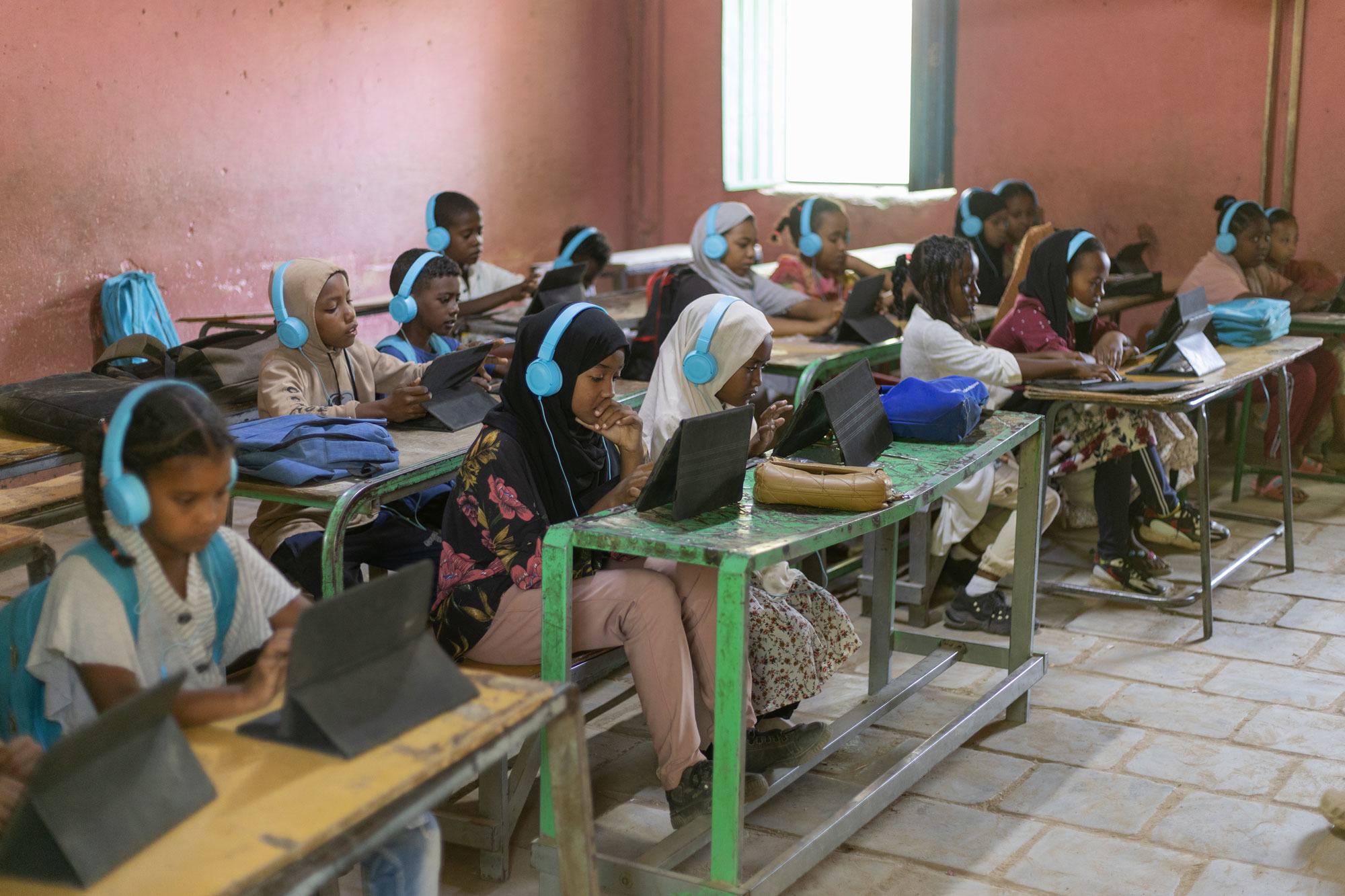
Many areas lack reliable electricity, internet access, and digital devices, making online education inaccessible to most children. Even where digital systems exist, frequent power cuts and unstable connections disrupt learning.
For instance, countries like the United Arab Emirates temporarily shifted to online education as a precaution during rising tensions, but such measures are not sustainable in heavily affected regions.
The result is a widening gap between children who can continue learning and those who are completely cut off from education.
Exams Postponed, Futures Uncertain
The impact of war is not limited to daily schooling—it also affects critical academic milestones.
In 2026, the Central Board of Secondary Education (CBSE) postponed board exams in several Middle Eastern countries due to safety concerns.
For students preparing for these exams, the uncertainty is overwhelming. Delayed exams mean delayed admissions, disrupted academic plans, and increased stress—especially for those aiming to study abroad or pursue higher education.
The Psychological Toll on Children
Beyond the loss of education, the psychological impact of war on children is profound.
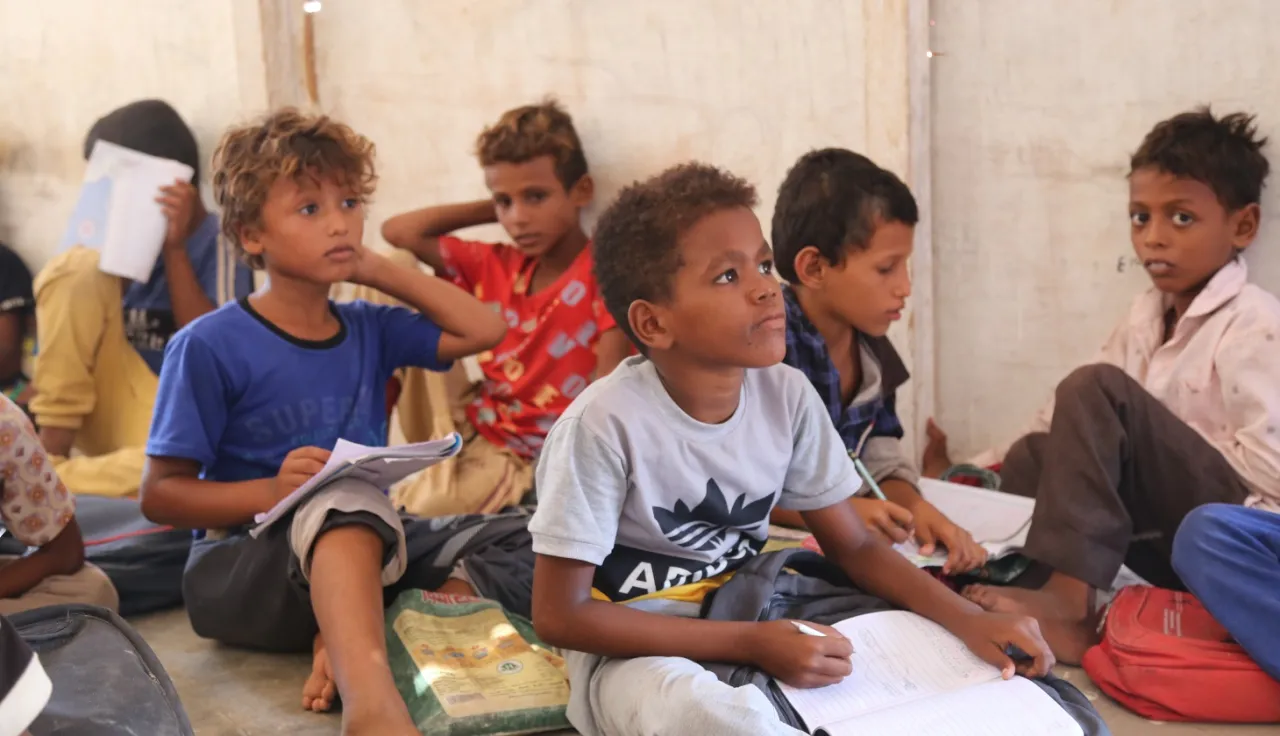
Children living in conflict zones are exposed to violence, displacement, and constant fear. Instead of focusing on studies, they are dealing with trauma, anxiety, and insecurity.
Education is more than just academics—it provides stability, routine, and emotional support. When that is taken away, children are left vulnerable not only academically but also mentally and socially.
Experts warn that prolonged disruption in education can lead to:
- Increased dropout rates
- Child labor and early marriages
- Long-term mental health issues
- Loss of future economic opportunities
In essence, the crisis threatens to create a “lost generation.”
A Regional Crisis with Global Consequences
While the crisis is most visible in war-affected countries, its impact extends far beyond borders.
Neighboring nations, including Pakistan and others, are also experiencing ripple effects. Instability, refugee inflows, and economic strain are disrupting education systems even in countries not directly involved in the conflict.
Globally, this contributes to a widening education gap, especially in developing regions. When millions of children miss out on education, it affects not just individual futures but also global development, workforce readiness, and economic stability.
Why Education Cannot Wait
In times of conflict, education is often treated as a secondary priority—something to be restored after peace returns. But experts argue that education must be part of the emergency response, not an afterthought.
Schools provide:
- Safe spaces for children
- Access to nutrition and basic services
- Psychological support
- A sense of normalcy
Without education, children are more vulnerable to exploitation, recruitment into armed groups, and lifelong poverty.
The Way Forward: Urgent Actions Needed
Addressing this crisis requires coordinated global efforts. Governments, international organizations, and NGOs must work together to ensure that children’s education continues even in the most challenging circumstances.
Key Solutions Include:
- Rebuilding and Protecting Schools
Schools must be designated as safe zones and protected from attacks under international law. - Expanding Temporary Learning Spaces
Setting up tent schools and community learning centers can help children resume education quickly. - Investing in Digital Infrastructure
Improving internet access and providing devices can make remote learning more feasible. - Providing Psychological Support
Counseling and mental health programs are essential to help children cope with trauma. - Ensuring Policy Flexibility
Flexible exam schedules and alternative assessment methods can reduce academic pressure.
Conclusion: Saving Education Means Saving the Future
The ongoing conflicts in the Middle East are not just geopolitical events—they are human tragedies unfolding in classrooms that no longer exist.
When a child loses access to education, the loss is not temporary—it shapes their entire future. Multiply that by millions, and the result is a global crisis that demands urgent attention.
The world must act now to ensure that education continues, even in the face of war. Because every child deserves more than survival—they deserve a future filled with opportunity, learning, and hope.