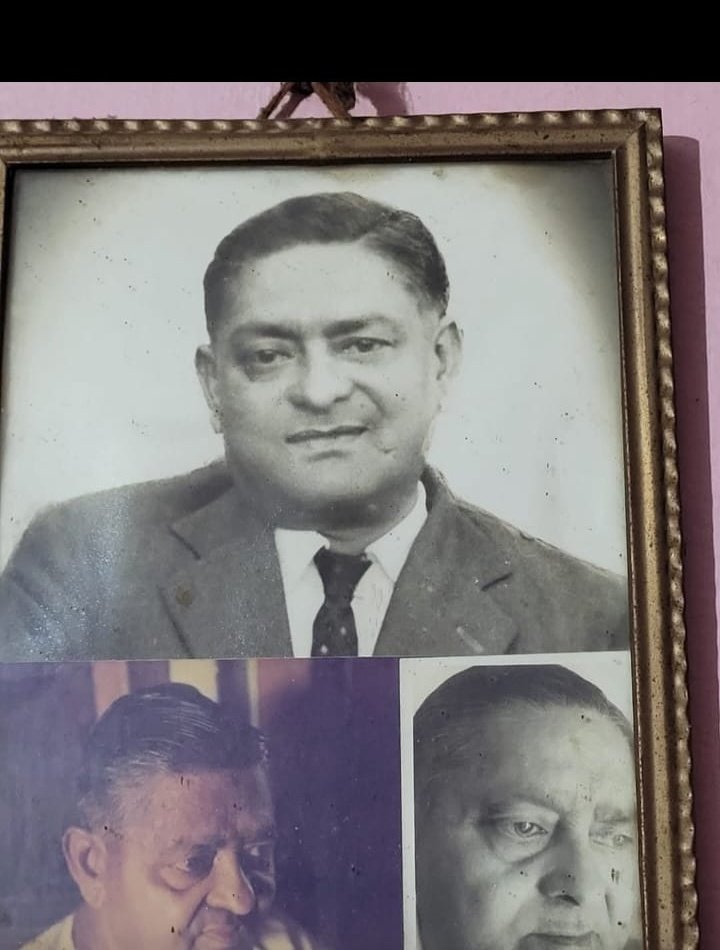
Introduction
In many homes across Mithila, conversations about dependable doctors still drift toward one familiar name — Dr. Bhavnath Mishra. Not in a loud or dramatic way, but gently, almost like remembering an old family well-wisher.
There was a certain comfort people associated with him. The kind that cannot be printed on certificates or measured through degrees. For countless families, he was the doctor they turned to when worry sat heavily on their minds. Over the years, his clinic became more than a medical stop; it became a place where anxious people often walked in tense and walked out steadier.
His story is simple on the surface — a dedicated physician serving his community. But when looked at closely, it reveals something deeper: the quiet power of consistency, humility, and genuine care.
How Trust Built his Name
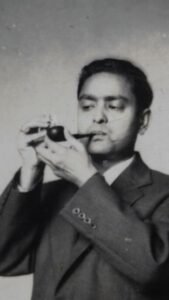
Dr. Mishra’s reputation did not explode overnight. It grew slowly, almost quietly, the way real trust usually does.
One patient recovered well and told a neighbour. A family appreciated how patiently he had listened. Someone mentioned that he explained illnesses in plain, understandable language. These small experiences began to travel through towns and villages of Mithila.
Soon, people were not asking, “Who is the best doctor?”
They were simply saying, “Show him once.”
In smaller communities, such word-of-mouth carries enormous weight. Without advertisements or publicity, his clinic remained busy. People came because someone they trusted had already been there.
And that made all the difference.
The Making of a Dedicated Doctor
Those who remember Dr. Bhavnath Mishra from his younger days often describe him in modest terms — serious, disciplined, and focused on his work. He was not someone who spoke loudly about ambition. He preferred to let his work speak quietly over time.
Medical education during his era was demanding. Resources were limited, and the journey required both patience and resilience. Yet he moved forward steadily, clearing each stage through sustained effort rather than sudden brilliance.
This early discipline later showed clearly in his medical practice. He approached patients the same way he approached his studies — carefully, thoroughly, and without unnecessary haste.
What Patients Experienced in his Clinic
Many former patients recall a similar scene. The waiting area would often be full, sometimes from early morning. People travelled from nearby villages just to ensure they could consult him.
But the moment one sat in front of Dr. Mishra, the outside rush seemed to slow down.
He gave people time to speak. He did not interrupt unnecessarily. He asked calm, relevant questions and listened to the answers with visible attention. For worried families, this itself was deeply reassuring.
In fact, several patients later admitted something very honest: before the medicine even began working, their fear had already reduced.
That was his quiet strength.
Kindness that People Never Forgot
Perhaps the most touching memories associated with Dr. Bhavnath Mishra relate to his sensitivity toward patients’ circumstances.
If someone appeared financially strained, he often adjusted the consultation fee quietly. He never made it a public gesture. The patient’s dignity remained intact — always.
In communities where medical expenses can create real stress, such understanding builds lifelong goodwill. Families remembered not just the treatment, but the feeling of being respected during a vulnerable moment.
Over time, stories of his considerate behaviour spread naturally. People began to trust not only his medical judgement but also his intentions.
And that kind of trust runs deep.
Success Without Show
As his reputation strengthened across Mithila, one thing about Dr. Mishra remained unchanged — his simplicity.
Visitors did not encounter unnecessary formality or distance. His manner stayed grounded, almost understated. There was no visible effort to project importance.
In many professions, growing success creates a certain stiffness in behaviour. With him, people often felt the opposite. The more respected he became, the more comfortable patients felt around him.
It is a rare balance — professional authority combined with personal warmth.
The Personal Memory that Built Loyalty
Another detail frequently mentioned by long-time patients was his remarkable memory. He often recognised returning visitors and remembered earlier health issues.
Sometimes he would ask, almost casually, “Last time the cough had improved — did it return again?”
For patients, this small recall meant a great deal. It signalled attention. It signalled care.
In large, busy medical systems, people often feel like files moving through a process. In his clinic, they felt seen. That emotional connection quietly strengthened long-term loyalty.
Even when newer healthcare facilities emerged, many families continued to prefer him — not out of habit alone, but out of deep comfort.
A Quiet but Lasting Influence
Dr. Bhavnath Mishra may never have sought the spotlight, but his way of practising medicine left a subtle imprint on the region.
Younger doctors heard about his patient-first attitude. Families used his name as a benchmark when discussing good medical behaviour. Without formal speeches or public campaigns, he helped shape expectations around what a trustworthy physician should be.
Sometimes influence does not arrive with applause. It settles gradually into collective memory.
Why His Story Still Feels Relevant
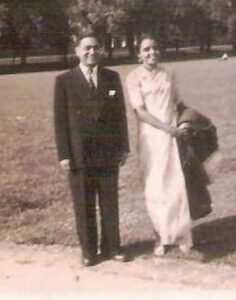
Healthcare today has become faster, more technology-driven, and far more complex. Yet one basic human need remains exactly the same: when people fall ill, they want reassurance along with treatment.
That is why the story of Dr. Mishra still resonates.
He reminds us that medicine is not only about prescriptions and reports. It is also about tone, patience, and the simple act of listening without hurry. Advanced equipment can support diagnosis, but trust still grows through human behaviour.
In many ways, his approach feels quietly timeless.
Conclusion
The memory of Dr. Bhavnath Mishra continues to live in Mithila because it was built on everyday sincerity rather than occasional brilliance.
He did the small things right — again and again, year after year. He listened carefully. He spoke gently. He treated people with dignity regardless of their background. Over time, these ordinary acts created an extraordinary legacy.
Today, when older residents of Mithila recall doctors who truly cared, his name still surfaces — not with noise, but with warmth.
And perhaps that is the most honest measure of a healer’s life: long after the clinic lights dim, the trust remains.