Introduction
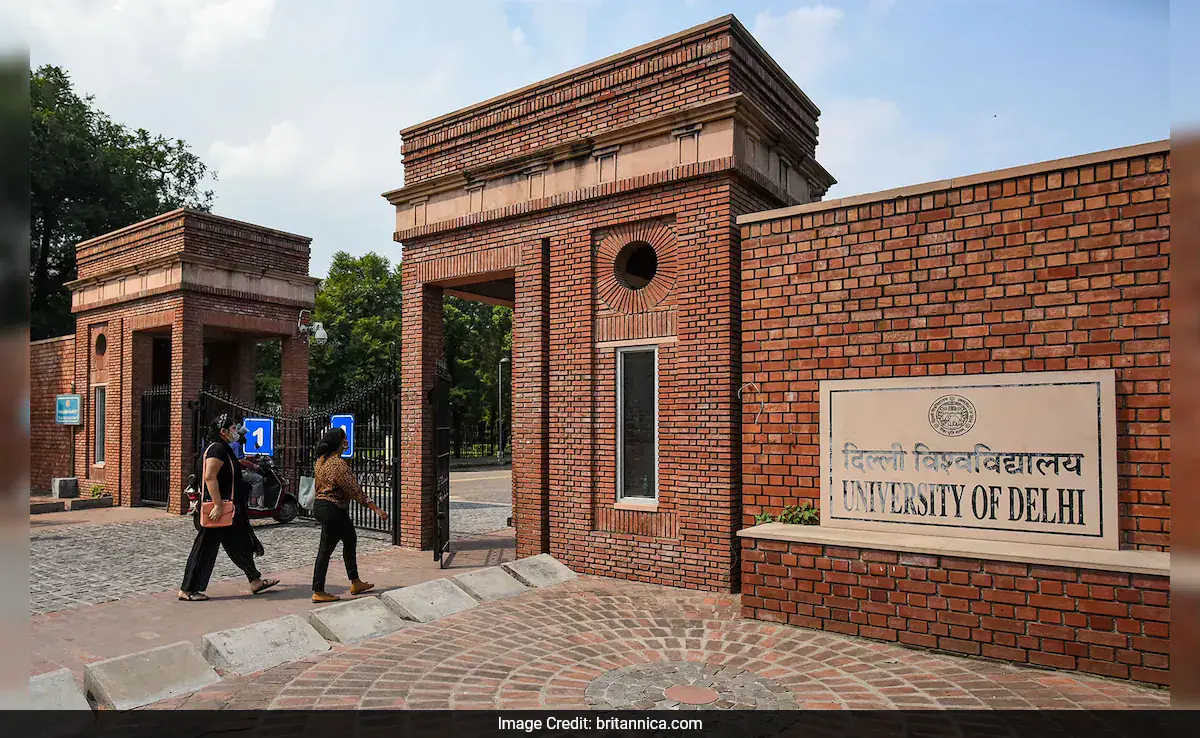
The campus culture at University of Delhi has long been known for its vibrant energy, student-led initiatives, and spontaneous events that bring college life alive. From cultural fests to debates and protests, students have always enjoyed a sense of freedom in organizing activities. However, a recent directive issued in March 2026 is set to change this dynamic in a significant way.
Under the new guidelines, no event—regardless of its scale or nature—can be conducted without prior approval from the university authorities. This move signals a shift toward a more regulated campus environment, where planning and permissions take precedence over spontaneity. While the intention is rooted in safety and discipline, it has sparked a broader conversation about autonomy in student spaces.

Background: Why Were These Rules Introduced?
The decision to tighten event regulations comes after a series of incidents that raised serious concerns about campus safety and management. In recent months, several college events witnessed overcrowding, with large numbers of outsiders entering campuses without proper checks. These situations often led to confusion, disruptions, and in some cases, intervention by law enforcement authorities.
Such incidents highlighted gaps in the existing system, where events were sometimes organized without adequate planning or supervision. The university administration recognized the need for a more structured approach to prevent future complications. As a result, the new rules aim to ensure that every event is properly vetted, planned, and executed within a controlled framework.
Key Features of the New Guidelines
One of the most significant aspects of the new policy is the requirement for mandatory prior approval for all events. Whether it is a cultural fest, academic seminar, student meeting, or protest, organizers must seek permission before proceeding. This ensures that the university remains informed about all activities taking place on campus and can intervene if necessary.
In addition to approval, organizers are required to submit detailed information about the event. This includes the purpose of the gathering, names of speakers or participants, funding sources, and the overall schedule. By demanding such transparency, the university aims to eliminate ambiguity and promote accountability among students and faculty members involved in organizing events.
The 72-Hour Rule and its Implications
Another important component of the new guidelines is the requirement to apply at least 72 hours in advance. This rule effectively eliminates the possibility of last-minute or impromptu events, which have traditionally been a part of campus life. Students will now need to plan their activities well ahead of time, ensuring that all necessary approvals are secured.
While this may lead to better organization, it also raises concerns about reduced flexibility. Spontaneous discussions, emergency meetings, or sudden student-led initiatives may become difficult to organize under such strict timelines. As a result, the campus atmosphere could shift from being dynamic and reactive to more structured and predictable.
Restrictions on Outsiders and Entry Control
The new rules also place strict limitations on the participation of outsiders in campus events. In the past, college festivals often attracted students from different institutions, creating a lively and diverse environment. However, unregulated entry sometimes led to overcrowding and security challenges, prompting the need for stricter controls.
Under the revised guidelines, entry of outsiders will require explicit permission, and organizers must ensure proper monitoring of attendees. This measure is expected to enhance campus security and prevent unauthorized access. At the same time, it may reduce the scale and inclusivity of events that once thrived on open participation.
Increased Responsibility for Event Organizers
With greater control comes greater responsibility, and the new rules clearly place accountability on event organizers. Students and faculty members involved in planning events will be responsible for maintaining discipline, ensuring safety, and managing crowds effectively. Any lapse in these areas could lead to disciplinary action or other consequences.
This shift transforms event organization into a more formal and serious undertaking. While it encourages professionalism and careful planning, it may also discourage some students from taking initiative due to the increased pressure and administrative burden. The balance between responsibility and participation will be crucial in determining how these rules play out.

Impact on Campus Culture
The introduction of these guidelines is likely to have a profound impact on campus culture at University of Delhi. On one hand, events are expected to become more organized, with better coordination and fewer disruptions. This could enhance the overall experience for participants and reduce the risks associated with large gatherings.
On the other hand, the essence of college life—spontaneity, creativity, and freedom—may face certain limitations. Students who are accustomed to quick decision-making and informal gatherings might find the new system restrictive. The challenge will be to maintain the vibrancy of campus life while adhering to the new regulatory framework.
The Ongoing Debate: Freedom vs Regulation
The new policy has reignited the age-old debate between freedom and discipline in educational institutions. Universities are not just centers of learning but also spaces for expression, discussion, and social engagement. Any attempt to regulate these aspects inevitably raises questions about the extent of control that authorities should exercise.
Supporters of the rules argue that safety and order must come first, especially in large institutions where mismanagement can have serious consequences. Critics, however, believe that excessive regulation could stifle student voices and limit opportunities for engagement. Finding the right balance will be key to ensuring that both objectives are met.
Conclusion
The new event guidelines introduced by the University of Delhi mark a significant shift in how campus activities are managed. By emphasizing prior approval, transparency, and accountability, the university aims to create a safer and more disciplined environment for students and faculty alike. These changes reflect a broader trend toward structured governance in higher education institutions.
However, the success of these rules will ultimately depend on their implementation and acceptance among students. If managed well, they could lead to a more organized and secure campus experience. If perceived as overly restrictive, they may face resistance and impact student engagement. Either way, this marks the beginning of a new chapter in campus life, one that will shape the future of student activities in meaningful ways.