Hinduism is one of the world’s oldest religions and its festivals reflect not just devotion and spirituality but also culture, togetherness, and seasonal change. Every year, millions of Hindus across India and the world celebrate a vibrant calendar full of joyous occasions that strengthen family bonds and keep ancient traditions alive. From the brightness of Diwali to the colours of Holi, these celebrations mark seasonal transitions, mythological stories, agricultural cycles, and spiritual teachings. In this blog, we explore 11 main Hindu festivals, their significance, and why they remain integral to Indian life.
1. Makar Sankranti – The Sun’s Auspicious Journey
Makar Sankranti is celebrated when the Sun enters the zodiac sign Capricorn (Makar), symbolising the end of winter and the start of longer days. It is one of the few Hindu festivals fixed to the solar calendar, making its date relatively stable each year. People celebrate by flying kites, offering sesame and jaggery sweets (til-gud), and worshipping the Sun God (Surya). In various regions it has different names — Pongal in Tamil Nadu and Lohri in Punjab — but the underlying theme is gratitude for nature’s bounty and light.
2. Maha Shivaratri – Night of Lord Shiva
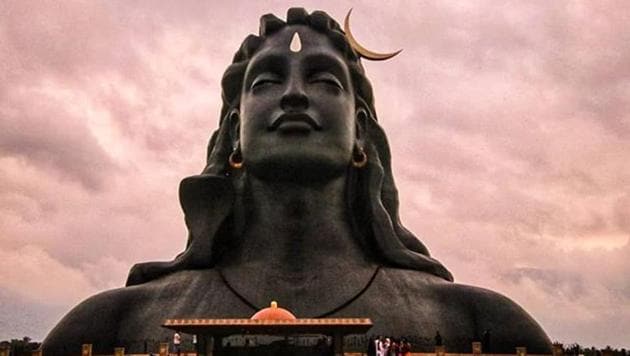
Maha Shivaratri is the great night dedicated to Lord Shiva, celebrated with fasting, meditation, and night-long prayers. Devotees visit temples to offer bilva leaves, chant mantra Om Namah Shivaya, and seek spiritual renewal. It commemorates Shiva’s cosmic dance and represents the victory of spiritual awakening over ignorance.
3. Holi – Festival of Colours
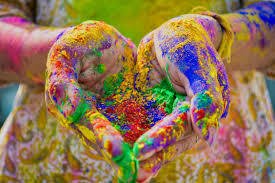
One of the most joyous and exuberant festivals, Holi is celebrated with vibrant colours, water games, dancing, and sweets. It marks the arrival of spring and symbolizes the victory of good over evil — particularly the story of Prahlad and Holika, where the devotee Prahlad’s faith triumphs over demon arrogance. People embrace each other with colourful powders and water, dance to music, and celebrate togetherness.
4. Rama Navami – Birth of Lord Rama
Rama Navami celebrates the birth anniversary of Lord Rama, the ideal king and embodiment of righteousness. Devotees read passages from the Ramayana, sing bhajans, and visit temples to honour his life and teachings. The festival reminds us to embrace virtues like honesty, duty, and compassion — values central to Hindu philosophy.
5. Raksha Bandhan – Bond of Love Between Siblings
Raksha Bandhan celebrates the emotional bond between brothers and sisters. On this day, sisters tie a sacred thread (rakhi) on their brothers’ wrists, symbolising their love and prayers for their wellbeing. Brothers in return promise protection and care. The festival reinforces the commitment of family ties and lifelong support.
6. Krishna Janmashtami – Birth of Lord Krishna
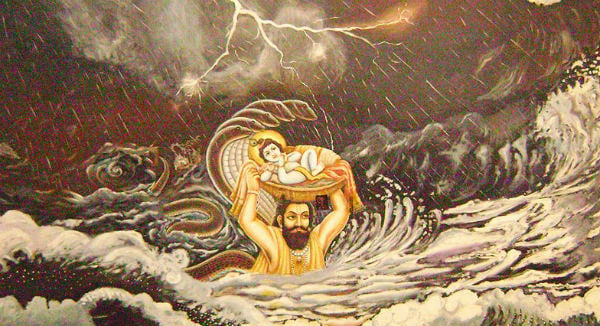
Janmashtami celebrates the birth of Lord Krishna, an avatar of Vishnu known for his playful youth and profound spiritual teachings in the Bhagavad Gita. Devotees fast, sing devotional songs, and hold midnight vigils at temples, reenacting Krishna’s life stories. The festival signifies devotion, inner joy, and dharma (righteous living).
7. Ganesh Chaturthi – Welcoming the Remover of Obstacles
Ganesh Chaturthi is the birthday of Lord Ganesha, the elephant-headed god revered as the remover of obstacles and the harbinger of good beginnings. Homes and public pandals install Ganesh idols, offer sweets like modak, and conduct auras and prayers. At the festival’s end, the idols are carried in processions and immersed in water, symbolising renewal and letting go.
8. Navratri – Nine Nights of Divine Feminine Power
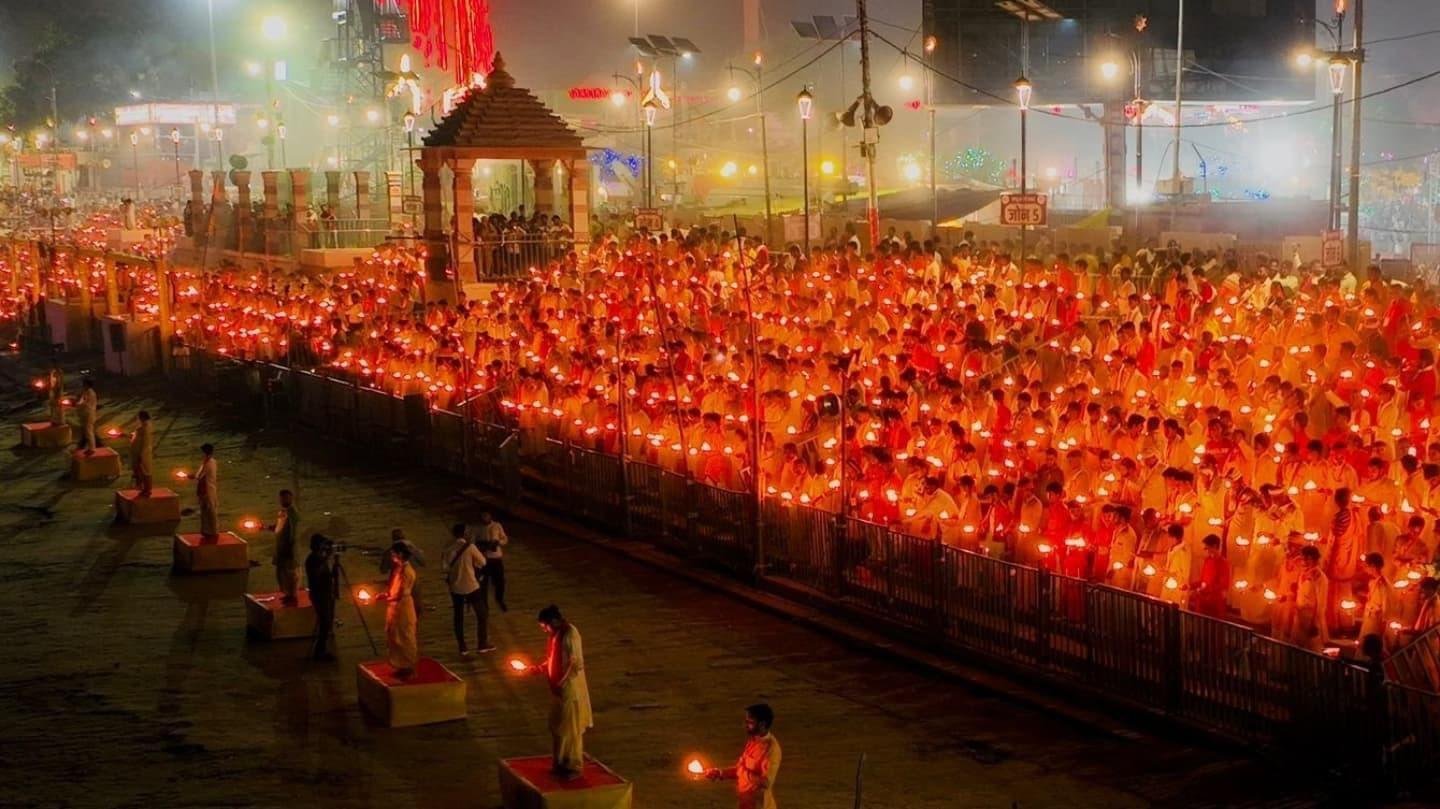
Navratri, meaning “nine nights”, honours the nine forms of Goddess Durga. Each day focuses on a different aspect of feminine divinity — strength, wisdom, prosperity, and protection. Devotees fast, chant mantras, perform aarti, and some engage in nightly dances like Garba and Dandiya. This festival is a celebration of victory over evil and feminine spiritual energy.
9. Diwali – Festival of Lights
Perhaps the most widely celebrated Hindu festival, Diwali symbolises the triumph of light over darkness and good over evil. It commemorates Lord Rama’s return to Ayodhya after defeating Ravana. Families light oil lamps (diyas), exchange gifts, decorate rangolis, and offer prayers to Goddess Lakshmi for prosperity. Diwali is a time of joy, renewal, and spiritual optimism.
10. Chhath Puja – Offering to the Sun God
Chhath Puja is a unique Hindu festival dedicated to the Sun God (Surya) and his consort Usha. It involves rigorous fasting, ritualistic bathing, and offering arghya (prayers) at sunrise and sunset. It is especially popular in Bihar, Jharkhand, Uttar Pradesh, and Nepal. Devotees pray for health, prosperity, and well-being of their families while giving thanks to nature’s energy.
11. Raksha Bandhan to Other Regional Celebrations
Apart from the major pan-Indian festivals listed above, there are countless regional Hindu festivals that enrich India’s cultural fabric — from Ratha Saptami, celebrating the Sun God’s birthday and seasonal change, to Amalaka Ekadashi, marking dedication to Lord Vishnu and beginning of Holi festivities.
Why Hindu Festivals Matter Today
Hindu festivals go beyond rituals; they connect people to stories, nature, values, and community. Each festival has:
-
Spiritual meaning — reminding us of philosophical and moral messages.
-
Seasonal relevance — pointing to harvests, celestial changes, and life cycles.
-
Cultural unity — bringing families, friends, and communities together.
-
Tradition and identity — preserving ancient teachings in modern life.
Whether it’s the glow of Diwali lamps or the joyous chaos of Holi colours, these celebrations offer moments of reflection, gratitude, and joy.
Conclusion
India’s colourful tapestry of Hindu festivals reflects the diverse traditions and spiritual wisdom that have shaped the subcontinent for millennia. From welcoming the Sun in Makar Sankranti to celebrating divine births and cosmic victories, each festival brings with it wisdom and joy. Understanding their meaning helps us appreciate not just the rituals but also the cultural heart of Hindu life