Education in India is quietly stepping into a new phase—one that focuses less on rote memorisation and more on real understanding. The Central Board of Secondary Education (CBSE) has announced major curriculum changes for the 2026–27 academic session, and they are not small tweaks—they are structural shifts.
From introducing the three-language formula starting Class 6 to offering two levels of Mathematics and Science in Class 9, the goal is clear: make learning flexible, inclusive, and aligned with real-life needs.
Let’s unpack what this really means for students, parents, and the future of education.
What is Changing in CBSE from 2026–27?
The CBSE has rolled out a phased curriculum reform aligned with the National Education Policy (NEP) 2020 and the National Curriculum Framework (NCFSE 2023).
Two headline changes stand out:
- Three-language system from Class 6
- Dual-level Maths and Science in Class 9
These changes aim to move from a “one-size-fits-all” system to a student-centric learning model.
Three-Language Formula from Class 6
What it means
Starting from Class 6, students will study three languages as part of their curriculum.
- At least two must be Indian languages
- The third can be English or a foreign language
This structure is designed to promote multilingualism and cultural awareness.
How it works
- Languages are labelled as R1, R2, and R3
- The third language becomes mandatory from Class 6 onwards
- Students will need to pass all three languages in higher classes
Why this matters
India is a land of languages. This policy ensures that students:
- Stay connected to their roots
- Gain national and global communication skills
- Develop stronger cognitive abilities
In simple terms, it’s not just about learning languages—it’s about learning how to think better.
Two-Level Maths and Science in Class 9
What’s new?
From Class 9, students will be able to choose between:
- Standard Level
- Advanced Level
for both Mathematics and Science.
Why this change?
Not every student learns the same way—or wants the same career.
This system allows students to:
- Choose subjects based on interest and ability
- Reduce unnecessary academic pressure
- Prepare better for future streams (Science, Commerce, Humanities)
The reform is meant to align education with real-life goals, not just exam scores.
A Shift Towards Conceptual Learning
Beyond structural changes, CBSE is also redefining how students learn.
The new curriculum emphasises:
- Critical thinking over memorisation
- Real-world application of knowledge
- Experiential learning (learning by doing)
Subjects like Mathematics will focus on problem-solving and logic, while Science will encourage experiments, inquiry, and analysis.
What this Means for Students
This reform is not just academic—it’s psychological.
Students will now:
- Feel less pressured to perform uniformly
- Explore their strengths and interests early
- Make better-informed career choices
Imagine a student who loves biology but struggles with physics—they now have room to breathe.
What Parents Should Know
For parents, this change may feel unfamiliar at first.
But here’s the essence:
- Your child’s learning path becomes more personalised
- Marks will matter—but understanding will matter more
- Language choices may vary across schools
The role of parents shifts from “performance monitoring” to guiding choices wisely.
Impact on Schools and Teachers
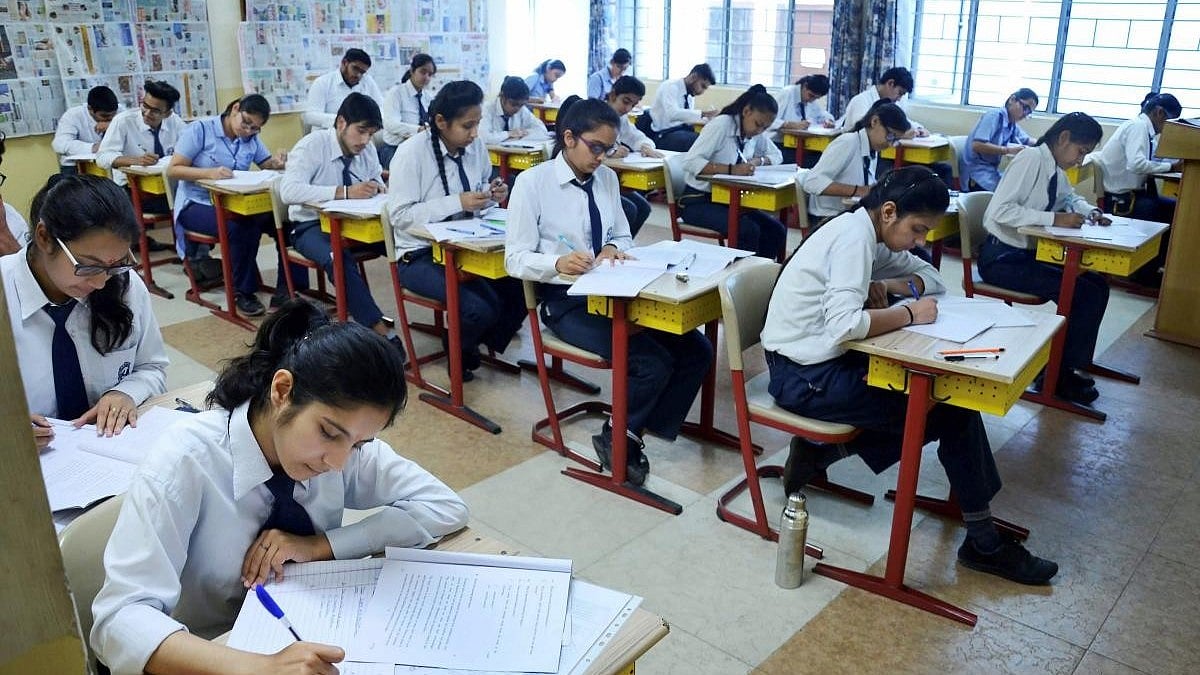
Schools will need to adapt significantly:
- New teaching methods
- Updated learning materials
- Flexible subject structures
Teachers will move from being information providers to learning facilitators.
The Bigger Picture: Education Reimagined
This reform is part of a larger transformation driven by NEP 2020.
The aim is to create students who are:
- Thinkers, not memorizers
- Problem-solvers, not passive learners
- Globally aware, yet locally rooted
It’s a move toward education that prepares for life—not just exams.
Final Thoughts
The CBSE curriculum changes for 2026–27 are not just policy updates—they are a mindset shift.
By introducing:
- A three-language framework
- A flexible subject-level system
CBSE is signalling something powerful:
Every student is different—and education should respect that.
The road ahead may bring adjustments, confusion, and even resistance.
But one thing is clear—this is a step toward a more human, inclusive, and meaningful education system.
FAQs
- When will the new CBSE curriculum be implemented?
The changes will begin from the 2026–27 academic session.
- What is the three-language formula?
Students from Class 6 will study three languages, with at least two being Indian languages.
- What is the two-level system in Class 9?
Students can choose between standard and advanced levels in Maths and Science.
- Is the third language compulsory?
Yes, the third language becomes mandatory from Class 6 onwards.
- Why are these changes being introduced?
To make education more flexible, student-focused, and aligned with real-life skills.