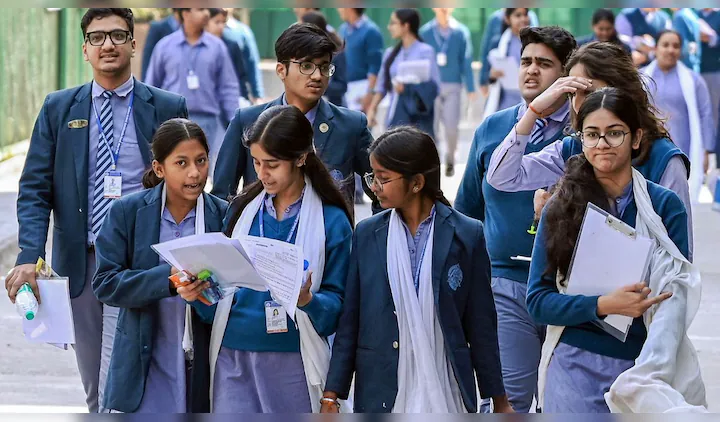
In an unprecedented move, the Central Board of Secondary Education (CBSE) has cancelled Class 12 board examinations for students across several Gulf countries, sending shockwaves through the Indian student community abroad. The decision, announced on March 15, 2026, affects thousands of students and raises important questions about academic continuity, fairness, and the evolving nature of assessments in uncertain times.
A Sudden but Necessary Decision
The CBSE officially cancelled all Class 12 board exams scheduled between March 16 and April 10, 2026, for students studying in Bahrain, Iran, Kuwait, Oman, Qatar, Saudi Arabia, and the United Arab Emirates. This includes not only upcoming exams but also those that had already been postponed earlier in March. ()
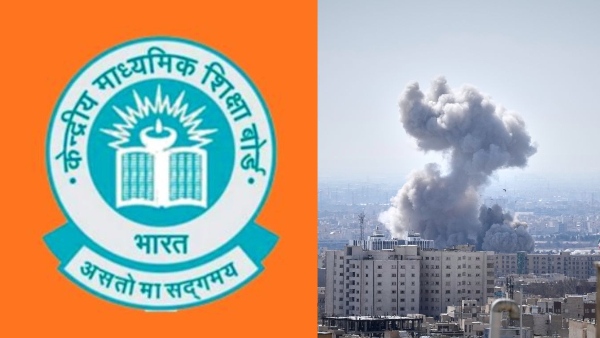
The move came after a series of rapid developments in the region. Initially, exams were postponed due to safety concerns, but as the situation escalated, CBSE opted for complete cancellation. Authorities cited student safety and logistical challenges as the primary reasons behind this decision. ()
Scale of Impact
The magnitude of this decision is significant. Over 150 CBSE-affiliated schools and more than 50,000 students across the Gulf region have been affected.
For many students, these exams are a critical milestone that directly influences college admissions and career paths. The sudden cancellation has understandably created a mix of relief, confusion, and anxiety among students and parents alike.
What Happens Next?
One of the biggest concerns now is how students will be evaluated. While CBSE has not yet released a detailed marking scheme, it has indicated that an alternative assessment method will be introduced.
This could include:
- Pre-board exam performance
- Internal assessments
- Project work and practical scores
- Overall academic record
Such a model is not entirely new. During the COVID-19 pandemic, similar evaluation strategies were adopted. However, questions about fairness and standardization remain.
Emotional and Academic Impact
For students, the board exams represent months—sometimes years—of preparation. The cancellation disrupts not just academic plans but also emotional expectations tied to this milestone.
Many students are concerned about:
- Whether internal assessments truly reflect their abilities
- How universities will interpret their results
- Possible disadvantages compared to students in India who are still taking exams
Parents and educators have also expressed concerns about transparency and consistency in the evaluation process.
A Reflection of a Changing Education System
This situation highlights a broader shift in how education systems respond to crises. Traditional, high-stakes exams are increasingly being questioned for their rigidity. The current scenario may accelerate discussions around more flexible, continuous evaluation systems.
It also underscores the need for:
- Better contingency planning
- Stronger digital infrastructure
- Clear communication between education boards and stakeholders
Final Thoughts
While the cancellation of CBSE Class 12 exams in the Gulf is undoubtedly disruptive, it also presents an opportunity to rethink how student performance is assessed in extraordinary circumstances.
For now, students are advised to stay updated through official CBSE channels and maintain communication with their schools. The coming weeks will be crucial as the board announces its evaluation criteria and result timelines.
In times like these, adaptability becomes just as important as academic excellence.