Introduction
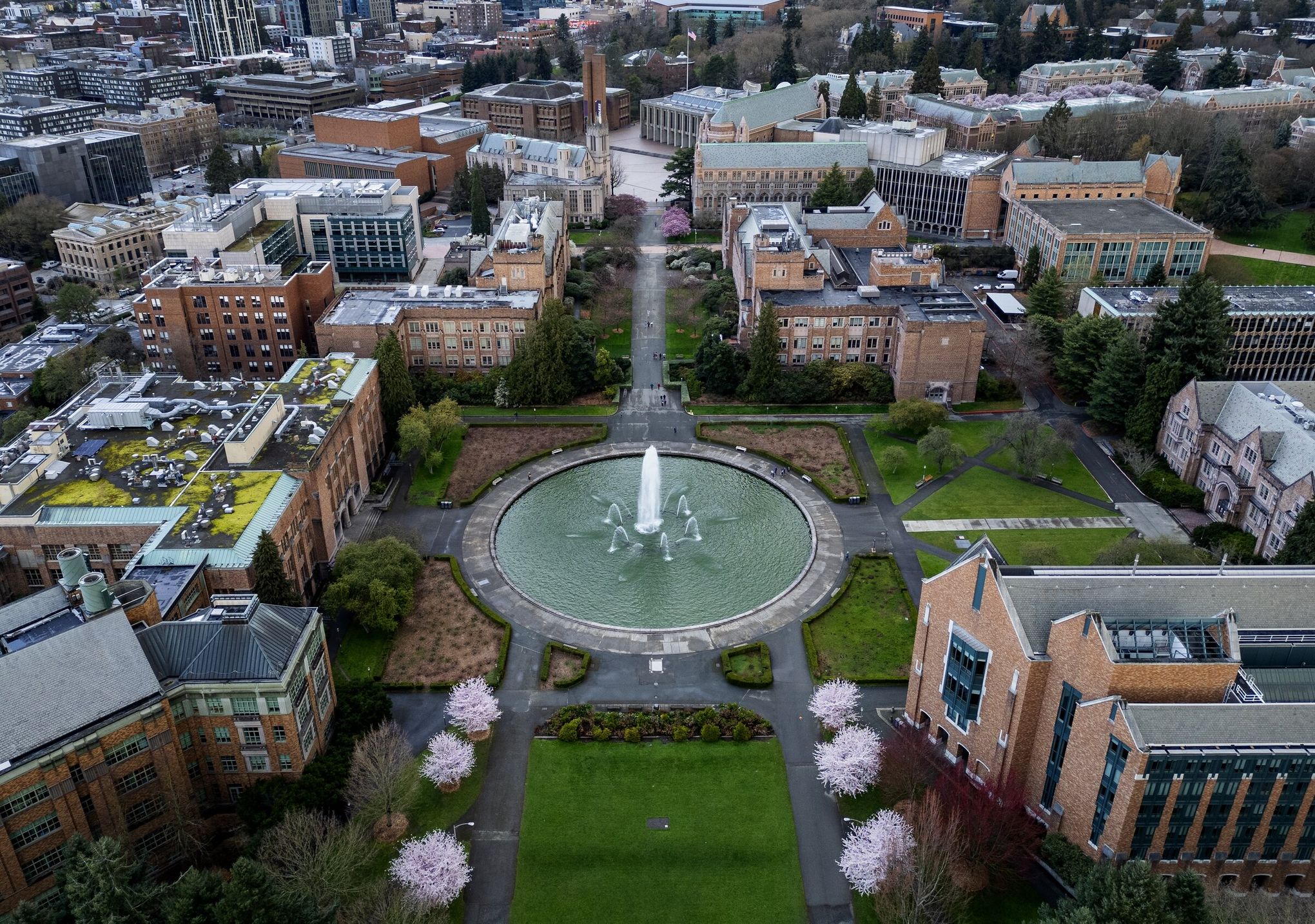
The University of Washington has taken a significant step by announcing a review of its student conduct code amid rising concerns over antisemitism on campus. This decision reflects a broader shift in how universities are responding to hate-related incidents and student safety issues in recent times. With growing scrutiny from both the public and authorities, institutions are being pushed to reassess their internal policies.
This move is not just about updating rules; it represents a deeper effort to address evolving social tensions within academic spaces. Universities have always been hubs of debate and expression, but the challenge now lies in ensuring that such freedom does not lead to hostility or discrimination. The ongoing review is expected to shape how campuses handle these sensitive issues moving forward.
Why the Review Became Necessary
The decision to revisit the conduct code comes after a noticeable increase in antisemitic incidents reported on campus since late 2023. University officials have acknowledged that the existing framework may not be equipped to deal with the complexities of modern-day conflicts and expressions of hate. This gap has raised concerns about student safety and institutional accountability.
Leadership at the University of Washington has openly admitted that policies written in the past may not fully address present-day realities. As social and political tensions continue to influence campus environments, the need for updated and relevant guidelines has become more urgent than ever. This review is therefore both reactive and preventive in nature.
Incidents that Sparked Concern
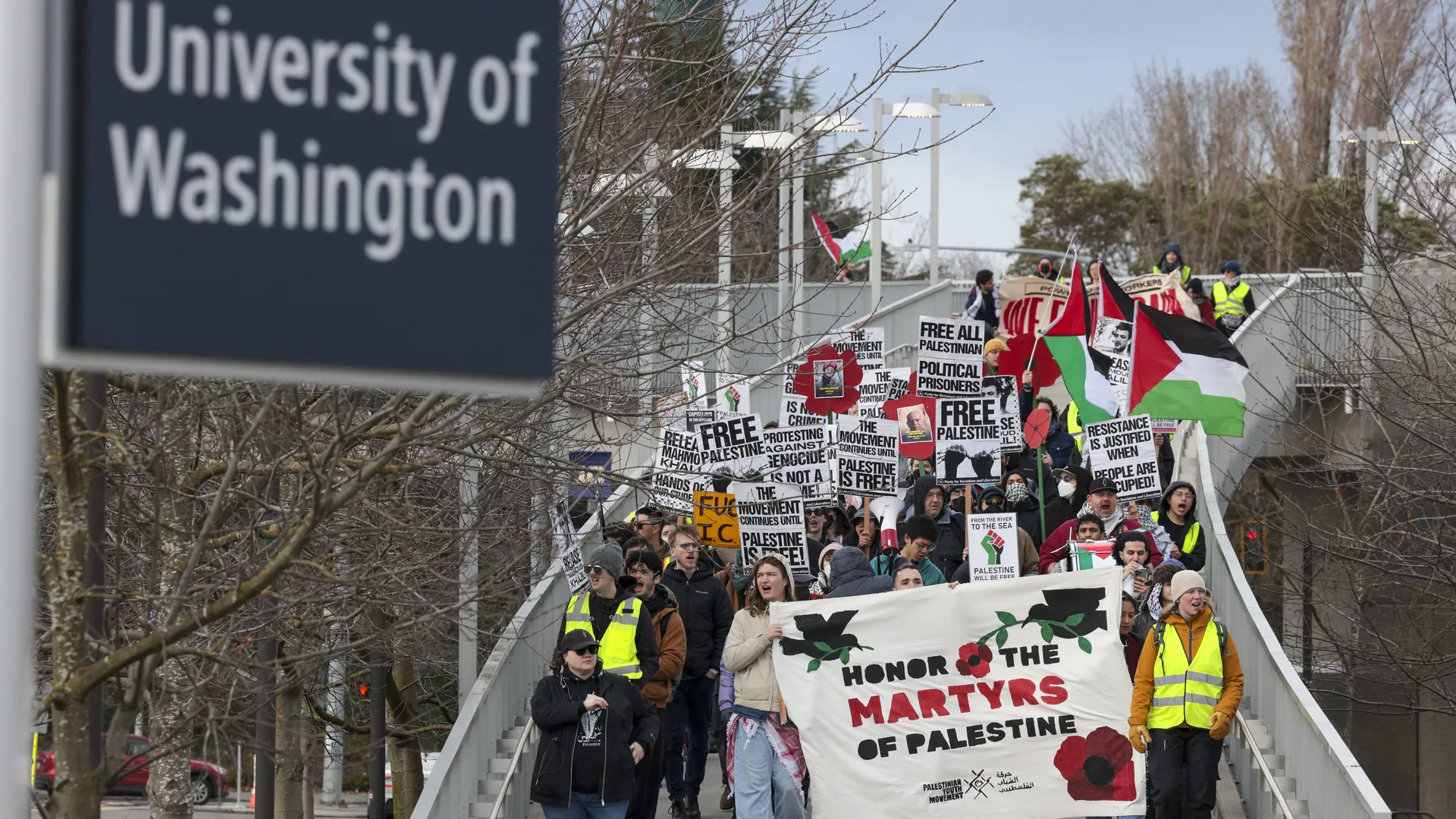
Recent campus incidents have played a major role in accelerating this policy review. Protests and demonstrations linked to global conflicts have sometimes escalated into confrontations, creating an environment of discomfort for many students. In some cases, these situations reportedly led to property damage and disruptions within the university.
Such developments have highlighted the thin line between peaceful protest and actions that may be perceived as threatening or harmful. University authorities are now under pressure to ensure that student activism remains constructive and respectful. The review aims to address these grey areas and provide clearer definitions of acceptable conduct.
What the University Plans to Change
The ongoing review process involves consulting external experts to create a more robust and enforceable conduct code. The objective is to clearly define behaviors that will not be tolerated while ensuring that disciplinary mechanisms are strong enough to act when needed. This reflects a shift toward greater clarity and accountability within the system.
At the same time, the university is also focusing on preventive strategies that go beyond punishment. By introducing educational initiatives and awareness programs, the administration hopes to tackle the root causes of hate and misunderstanding. This dual approach aims to create a safer and more informed campus environment.
Education as a Long-Term Approach
Rather than relying solely on disciplinary action, the University of Washington is emphasizing the importance of education in addressing antisemitism. Programs that encourage dialogue, cultural understanding, and mutual respect are being considered as part of the solution. This reflects a belief that lasting change comes from awareness rather than enforcement alone.
Such initiatives can help students engage in meaningful conversations without escalating tensions. By promoting empathy and understanding, the university aims to build a more inclusive community. This approach also aligns with global best practices in higher education, where prevention is seen as equally important as punishment.
A Broader Trend Across Universities
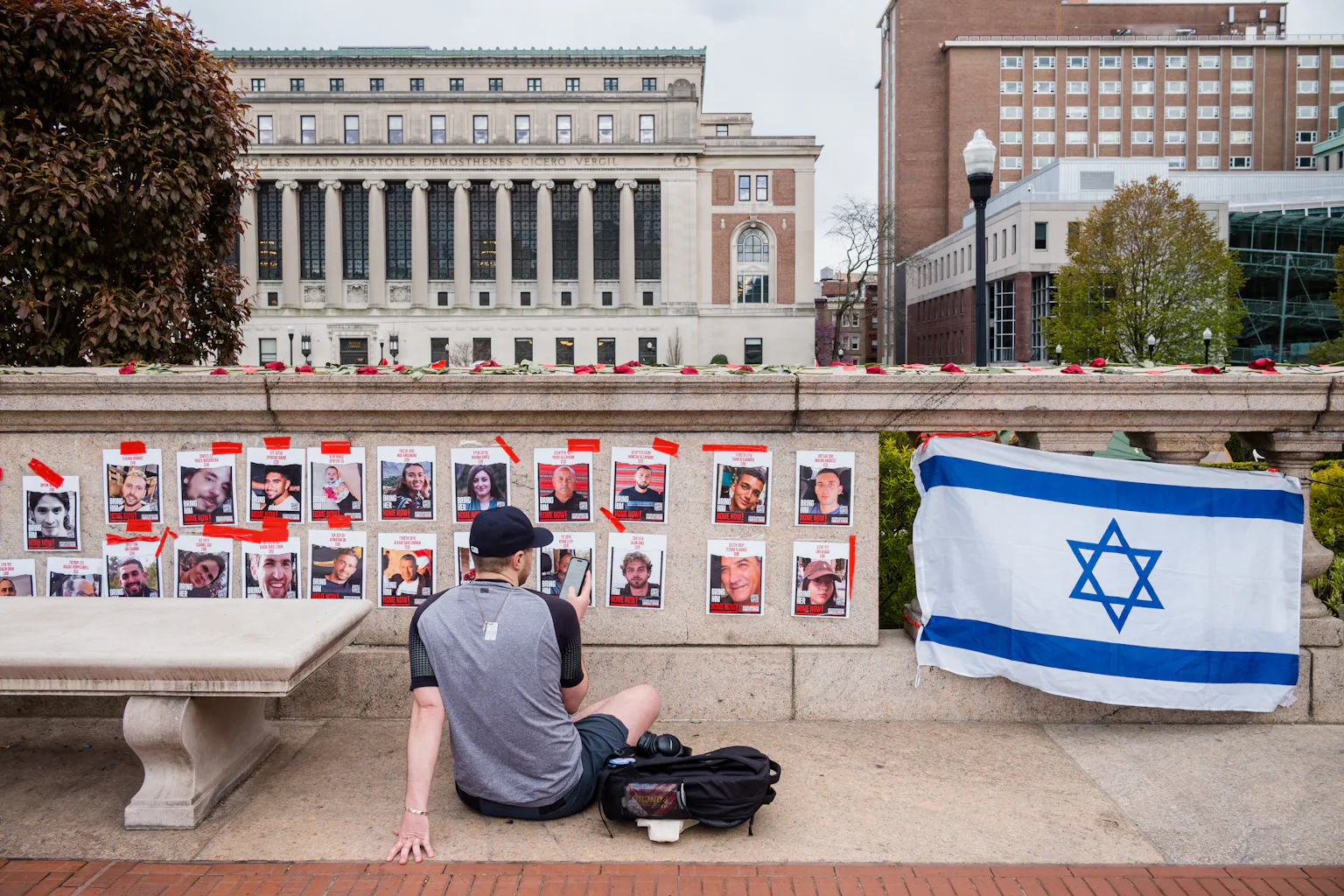
The situation at the University of Washington is part of a larger trend affecting universities across the United States. Many institutions are facing similar challenges related to discrimination, hate speech, and campus safety. In some cases, universities have even come under federal scrutiny for their handling of such issues.
This growing pressure has forced educational institutions to take proactive steps in revising their policies. As a result, the current review could serve as a model for other universities navigating similar concerns. It highlights the increasing importance of adaptable and responsive governance in higher education.
The Challenge of Balancing Free Speech
One of the most complex aspects of this review is maintaining a balance between free speech and campus safety. Universities are traditionally spaces where diverse opinions are encouraged, even when they are controversial. However, distinguishing between expression and harm is not always straightforward.
The updated conduct code aims to provide clearer boundaries while preserving the essence of academic freedom. Achieving this balance will be crucial in ensuring that students feel both safe and heard. The outcome of this effort will likely influence how other institutions approach similar challenges.
Conclusion
The decision by the University of Washington to review its student conduct code marks a pivotal moment in addressing campus tensions. By focusing on both accountability and education, the university is attempting to create a more inclusive and secure environment. This reflects a growing recognition that traditional policies must evolve to meet modern challenges.
As the review progresses, its impact will extend beyond a single institution. It may influence how universities worldwide approach issues of hate, safety, and student rights. Ultimately, the success of these changes will depend on their ability to balance regulation with the core values of academic freedom.
Frequently Asked Questions (FAQs)
- Why is the University of Washington reviewing its conduct code?
The university is reviewing its policies due to a rise in antisemitic incidents and concerns that the current rules are outdated and insufficient for today’s challenges.
- What changes are expected in the new conduct code?
The revised code is likely to include clearer definitions of unacceptable behavior, stronger disciplinary measures, and more emphasis on preventive education.
- Will student protests be affected by the new rules?
Protests will still be allowed, but stricter guidelines may be introduced to ensure they remain peaceful and do not harm others or disrupt campus activities.
- How is antisemitism being addressed on campus?
The university plans to combine stricter rules with educational initiatives that promote awareness, dialogue, and cultural understanding.
- Is this issue limited to one university?
No, many universities across the United States are facing similar challenges and are revising their policies to address discrimination and campus safety.