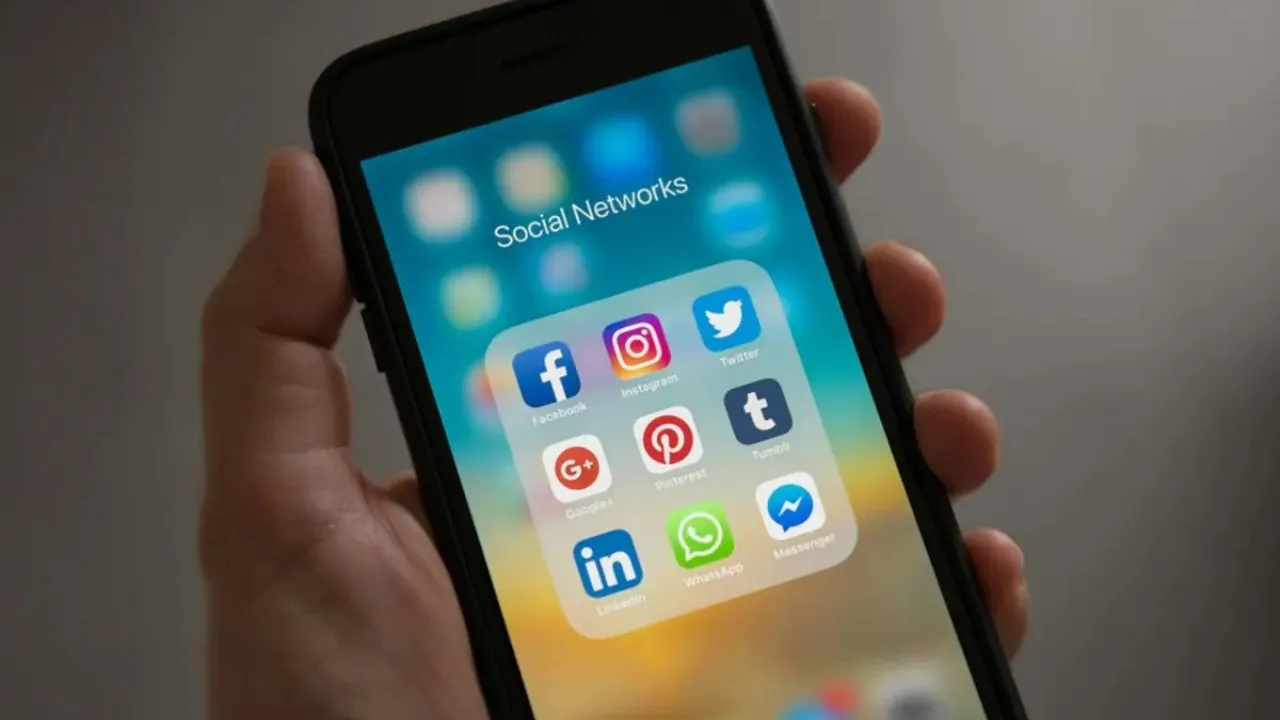
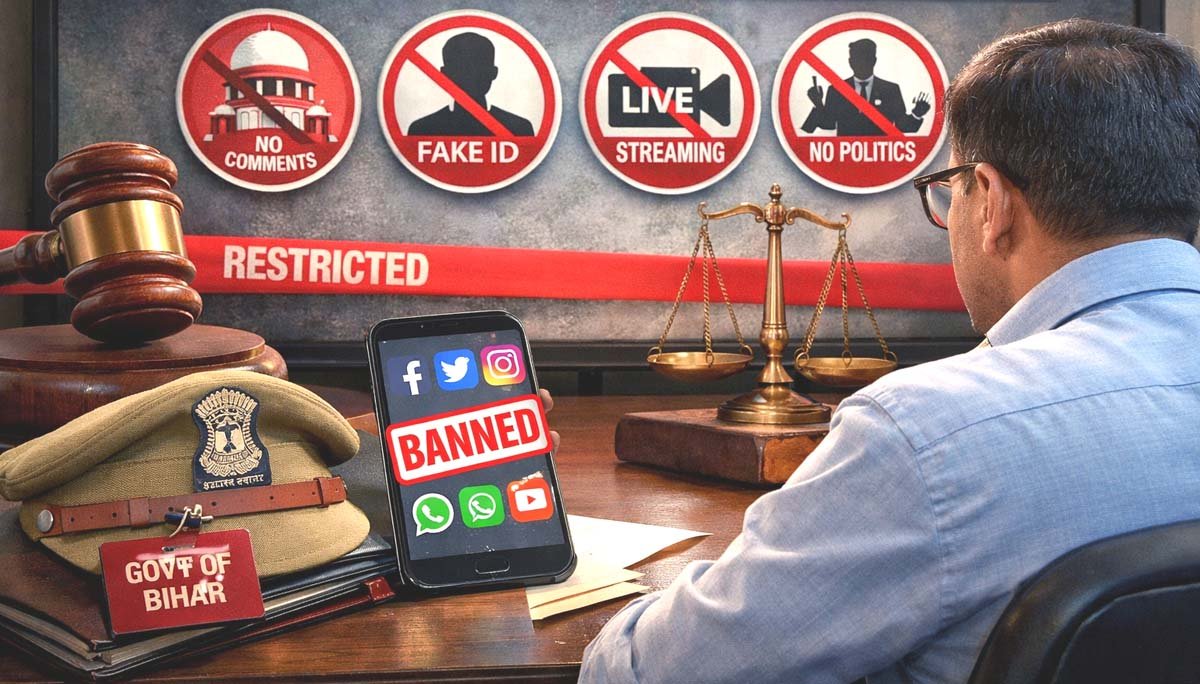
The Bihar government has introduced a stricter social media code for its employees, placing clear limits on what can be posted online. The updated guidelines bring digital conduct under official scrutiny, making even minor violations subject to disciplinary action. The move aims to regulate how government personnel engage on platforms such as Facebook, X, and Instagram while ensuring administrative integrity and data confidentiality. The rules apply across departments and are expected to impact a large section of the state workforce.
Introduction: Digital Conduct Now Under Administrative Discipline
The Bihar government has revised its service conduct framework to include detailed provisions on social media usage by employees. The new rules define how public servants should behave online, treating digital platforms as an extension of official conduct.
The decision follows instances where online posts by government staff triggered administrative concerns. Authorities have now placed responsibility on employees to ensure that their online presence aligns with service rules.
The revised code covers account creation, content sharing, and public engagement. It also introduces accountability measures that link social media activity with disciplinary procedures. The policy applies to employees across departments, including administrative offices, field units, and contractual positions.

What the New Social Media Rules Specify
Approval and Identity Requirements
- Prior approval required for creating official or work-linked social media accounts
- Anonymous or pseudonymous accounts prohibited
- Use of official contact details for personal platforms restricted
Content Restrictions
- No sharing of confidential government documents or internal discussions
- Prohibition on posts that may affect public order or administrative reputation
- Ban on offensive, defamatory, or sensitive content
Political Neutrality Clause
- Employees cannot publicly support or oppose political parties
- Commentary on government policies in a personal capacity restricted
- Criticism of senior officials or departments not permitted in public forums
Workplace Content Restrictions
- No photos or videos from office premises without approval
- Live streaming or recording of official activities prohibited
Why the Policy Was Introduced
The government cited repeated instances where social media posts created administrative complications. These included:
- Circulation of unverified or misleading information
- Disclosure of internal matters
- Public criticism affecting departmental functioning
The new rules aim to establish clear boundaries and prevent misuse of digital platforms by public servants. The policy also reflects a broader shift toward regulating digital behaviour within government systems.
Disciplinary Action and Enforcement
Consequences of Violations
- Departmental inquiry initiated upon violation
- Penalties based on severity of misconduct
- Suspension or service-related action in serious cases
The rules place direct accountability on employees for their online conduct. Even a single post that violates guidelines can trigger formal proceedings.
Monitoring Mechanism
Departments are expected to monitor compliance through internal mechanisms. Supervisory authorities have been given the responsibility to ensure adherence to the new code.
Scope and Coverage of the Rules
- Applicable to all state government employees
- Includes permanent, contractual, and field-level staff
- Covers all major social media platforms
Bihar employs a large workforce across departments, which means the policy affects a significant number of individuals. The inclusion of contractual staff further expands its reach.
Administrative Context and Policy Impact
The move aligns with similar efforts across states to regulate digital conduct of public servants. By integrating social media guidelines into service rules, the government has formalised expectations regarding online behaviour.
The policy emphasises discipline, confidentiality, and neutrality. It also reflects the increasing role of digital platforms in shaping public perception of governance.
Frequently Asked Questions
- Are government employees banned from using social media in Bihar?
The rules do not impose a complete ban. Employees can use social media platforms, but they must follow the prescribed guidelines. The policy regulates behaviour rather than restricting access. It focuses on ensuring that online activity does not conflict with service rules or administrative responsibilities.
- What type of content is prohibited under the new rules?
Content that is confidential, politically sensitive, offensive, or damaging to the administration is prohibited. Employees cannot share internal documents, comment on policies publicly, or post material that may affect public order. The restrictions also apply to criticism of officials and departments.
- Is prior approval required for social media accounts?
Approval is required in cases where accounts are linked to official roles or use government identity markers. The rules also prohibit anonymous accounts. Employees must maintain transparency in their digital identity and avoid misuse of official credentials.
- What happens if an employee violates the rules?
Violations lead to departmental action. This may include an inquiry, disciplinary proceedings, and penalties depending on the nature of the violation. Serious cases can result in suspension or other service-related consequences.
- Do these rules apply to all government employees?
Yes, the policy applies to all categories of state government employees. This includes permanent staff, contractual workers, and field-level personnel. The rules are uniform across departments.
Conclusion
The Bihar government’s updated social media code establishes clear boundaries for digital conduct among public servants. By linking online behaviour with service rules, the policy introduces a structured approach to accountability. The guidelines place emphasis on discipline, neutrality, and confidentiality, reinforcing the expectation that official responsibilities extend to digital spaces.