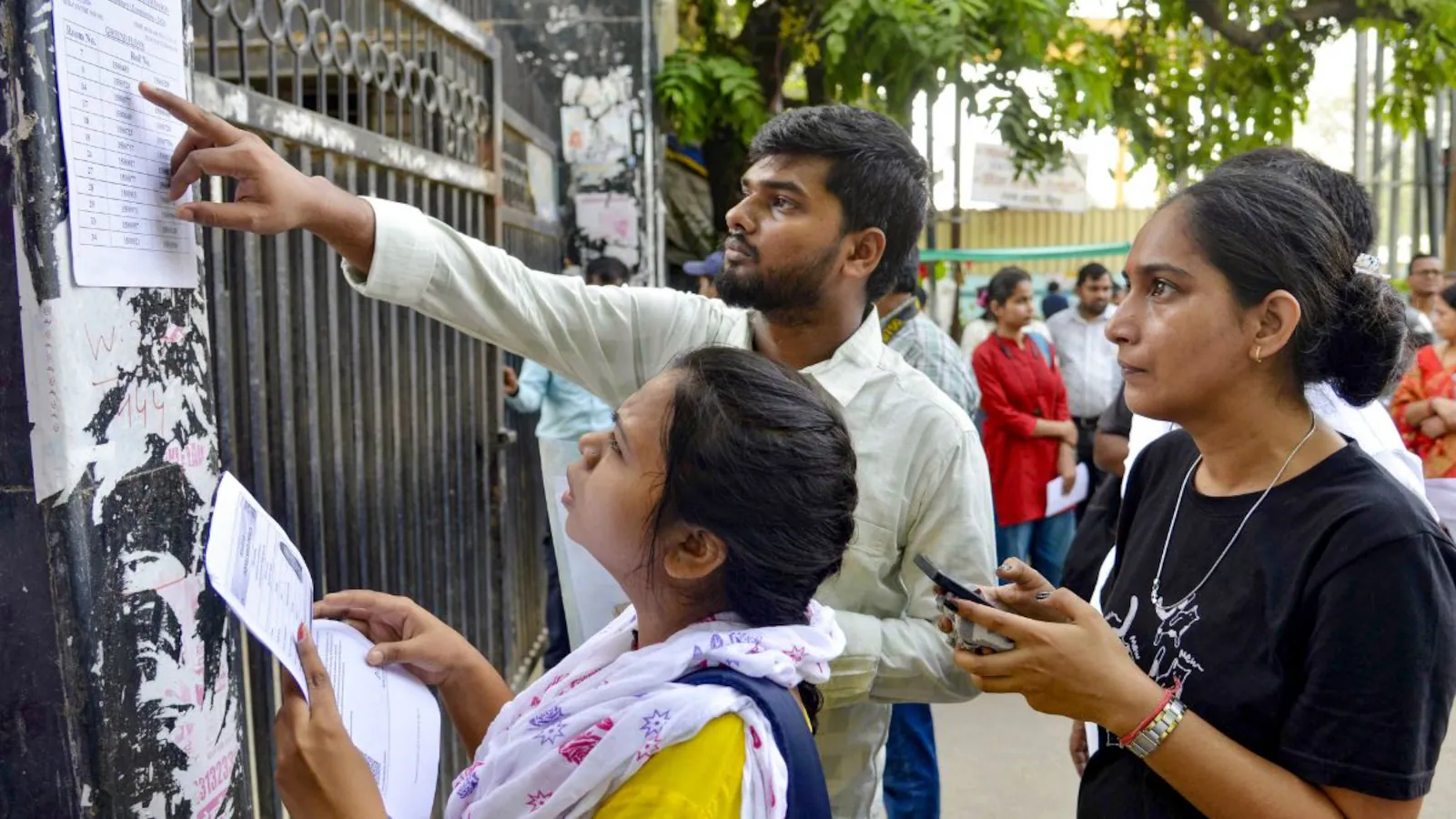
If you’re a student gearing up for the 2026 CBSE board exams, or a parent trying to make sense of the latest changes, there are a lot of things you must be aware of. The Central Board of Secondary Education, popularly known as CBSE, has rolled out a fresh set of reforms that could reshape how students experience one of the most important milestones in their academic journey.
Let’s break it down in plain English.
First, the Dates: Mark Your Calendar
CBSE has released a tentative schedule for the Class 10 and 12 board exams. They’ll kick off on February 17 and wrap up by July 15, 2026. That’s a long stretch, but there’s a reason for it.
For Class 10 students, there’s now a two-exam system. The first round of exams will happen between mid-February and early March. The second round meant for improvement, repeat, or compartment—will take place from May 15 to June 1. Class 12 students will stick to the traditional single-exam format, at least for now.
All exams will be held in the morning, starting at 10:30 AM. Most papers will run until 1:30 PM, except for skill-based subjects like painting or automotive, which end an hour earlier.
The Big Shift: Two Exams for Class 10
This is the headline change. For the first time, CBSE is offering Class 10 students a second shot at their board exams within the same academic year.
Here’s how it works:
- Every student must appear for the first exam.
- If you’re unhappy with your marks, or if you miss a paper due to illness or other reasons, you can retake up to three subjects in the second round.
- The subjects eligible for improvement include Science, Math, Social Science, and the two languages you study.
This move is part of the broader goals of the National Education Policy (NEP) 2020, which aims to reduce the pressure of high-stakes exams and make learning more flexible.
Why This Matters
Let’s be honest, board exams in India have always been stressful. One bad day, one missed paper, and a student could lose an entire year. The new system tries to fix that.
By offering a second chance within the same year, CBSE is hoping to:
- Reduce anxiety among students
- Prevent academic loss due to unforeseen circumstances
- Encourage students to focus on learning rather than just scoring
But not everyone’s convinced this is the reform we need.
What Experts Are Saying
Educationists have mixed feelings. Some say it’s a step in the right direction. Others argue it’s just a cosmetic change.
Dr. Anita Rampal, former Dean at Delhi University’s Faculty of Education, believes the problem lies deeper. “Assessments should be tied to learning, not just grades,” she says. “Giving students two chances to take the same exam doesn’t change how we teach or how they learn.”
Ameeta Mulla Wattal, Chairperson of DLF Foundation Schools, adds, “We’re still mining students for marks. Whether it’s one exam or two, the focus remains on cramming and scoring.”
Other Key Changes You Should Know
Beyond the two-exam system, CBSE has introduced several other updates for 2026:
- Full Programme Completion Is Mandatory
- You must complete Class 9 and 10 to be eligible for Class 10 board exams.
- Similarly, Class 11 is a must before you can sit for Class 12 exams.
- Internal Assessments Are Now Crucial
- Miss an internal assessment? You won’t get your board results. Period.
- Attendance Matters More Than Ever
- A minimum of 75% attendance is required to appear for the exams.
- Special Provisions for Athletes
- If you’re representing your school or state in sports and miss the first exam, you can take the second one.
- Faster Evaluation
- CBSE plans to evaluate answer sheets within 10–12 days of each exam. That’s lightning-fast compared to previous years.
- Digital Results
- Results will be uploaded to DigiLocker, which students can use for Class 11 admissions and beyond.
What Should Students Do Now?
If you’re in Class 10 or 12, here’s how you can prepare smartly:
- Don’t skip internal assessments. They’re not optional anymore.
- Track your attendance. Falling below 75% could cost you your exam eligibility.
- Use the date sheet to plan your study schedule. Start early, revise often.
- Treat both exams seriously. Even if you ace the first one, the second is a chance to improve.
- Get familiar with DigiLocker. It’s your digital vault for academic records.
The Major Takeaways
The CBSE 2026 board exams are more than just a schedule update, they reflect a shift in how we think about student evaluation. Whether this change leads to deeper reforms or just adds another layer to an already complex system remains to be seen.
For now, students have more flexibility, and that’s a win. But the real challenge lies in changing how we teach, how we assess, and how we define success in the classroom.
If you’re a student, take this as an opportunity, not just to score better, but to learn better.