Australia has placed Indian students in the highest risk category under its student visa framework, marking a major shift in international education policy in 2026. The move reclassifies India from Evidence Level 2 to Evidence Level 3, triggering stricter documentation, longer processing timelines, and enhanced scrutiny for visa applications. Indian students form one of the largest international student groups in Australia, with nearly 140,000 enrolments contributing significantly to the country’s education sector.
The decision reflects Australia’s tightening control over visa integrity and compliance. Authorities aim to address rising concerns related to non-genuine applications, document inconsistencies, and visa misuse. The updated classification impacts thousands of applicants planning to pursue higher education in Australia for the 2026 intake cycle.
Australia Student Visa Risk Category Update 2026
Australia student visa risk category update has introduced stricter evaluation measures for Indian applicants following the shift to Evidence Level 3. The change came into effect on January 8, 2026, under the Simplified Student Visa Framework.
Previously classified under Evidence Level 2, Indian applicants benefited from relatively streamlined documentation processes. The latest update places India in the highest risk tier, alongside countries such as Nepal, Bangladesh, and Bhutan.
The policy revision focuses on strengthening the credibility of Australia’s international education system. Authorities identified emerging integrity risks, including inconsistencies in financial documentation and increased instances of visa non-compliance.
Despite the stricter classification, Australia continues to accept Indian students. The change affects only the visa assessment process, not eligibility for admission into universities or institutions.

What is Evidence Level 3 in Australia Student Visa System?
Evidence Level 3 represents the highest risk category under Australia’s student visa framework. This level determines the extent of documentation and verification required during the visa application process.
Applicants under this category must provide detailed financial records, academic credentials, and proof of genuine study intent. Authorities may also conduct additional background checks, including verification of bank statements and institutional references.
Key Changes for Indian Students
- Shift from Evidence Level 2 to Evidence Level 3
- Mandatory detailed financial documentation
- Enhanced English language proof requirements
- Increased probability of manual verification
- Higher scrutiny of academic course alignment
Processing timelines have also expanded. Visa approvals that previously took around three weeks may now extend up to eight weeks in certain cases.
Impact on Indian Students Applying to Australia
Stricter Documentation and Verification
Indian students must now submit stronger financial evidence, including long-term bank statements and verifiable income sources. Authorities have increased checks to identify inconsistencies or fabricated documentation.
Longer Visa Processing Time
Processing delays have emerged as a key impact. Applications now undergo additional layers of scrutiny, increasing overall turnaround time for approvals.
Higher Rejection Risk for Weak Applications
Applications lacking clarity in academic intent or financial proof face a higher probability of rejection. Authorities have intensified focus on ensuring applicants meet genuine student criteria.
No Ban on Indian Students
The policy does not restrict Indian students from studying in Australia. Universities continue to admit students, and visa approval remains possible for well-documented applications.
Reasons Behind Australia’s Decision
Rise in Non-Genuine Applications
Authorities identified an increase in applications where course selection did not align with academic background. This raised concerns about misuse of student visas for non-academic purposes.
Financial Documentation Irregularities
Visa assessments revealed issues such as unverifiable funds and inconsistent financial records. These factors contributed to stricter evaluation standards.
Compliance and Visa Violations
Reports indicated higher instances of visa breaches, including course dropouts and attendance issues. This impacted overall compliance metrics.
Global Integrity Concerns
Australia aims to maintain the credibility of its international education system, which contributes significantly to the national economy. The sector generated AUD 47.8 billion and supported over 250,000 jobs in recent years.
Historical Trends and Data on Indian Students in Australia
Indian students remain one of the largest international student groups in Australia.
- Approximately 140,000 Indian students enrolled in Australia
- Total international student population exceeds 650,000
- Indian students represent a significant share of higher education enrolments
- Australia plans to cap international students at 295,000 for 2026 intake
- Processing time increased from 3 weeks to up to 8 weeks
Historically, India was placed under Evidence Level 2, which allowed simpler documentation processes. The 2026 update marks a significant shift in policy direction.

Application Process Under New Rules
Step-by-Step Visa Application Process
- Select a recognised Australian institution
- Obtain Confirmation of Enrolment
- Prepare financial documentation
- Submit English language test scores
- Complete Genuine Student requirement statement
- Apply through official visa portal
- Attend verification or interview if required
Required Documents
- Valid passport
- Academic transcripts
- Financial proof documents
- English proficiency test results
- Statement of purpose
Authorities may request additional documents depending on the application profile.
FAQ Section
-
Why were Indian students placed in the highest risk category?
Australia moved Indian students to Evidence Level 3 due to emerging integrity risks in the visa system. Authorities observed inconsistencies in documentation, increased non-genuine applications, and compliance concerns. The change aims to strengthen the credibility of the international education system and ensure that only genuine students receive visas. This classification reflects a policy adjustment rather than a restriction on Indian applicants.
-
Does Evidence Level 3 mean Indian students cannot study in Australia?
Evidence Level 3 does not prevent Indian students from studying in Australia. The classification only increases scrutiny during the visa process. Students who submit accurate and complete documentation continue to receive approvals. Universities in Australia remain open to Indian applicants, and admission processes remain unchanged.
-
How does this change affect visa processing time?
Visa processing time has increased under the new classification. Applications that earlier took around three weeks may now take up to eight weeks due to additional verification checks. Authorities conduct more detailed reviews of financial, academic, and personal documents before issuing approvals.
-
What additional documents are required now?
Applicants must provide stronger financial evidence, including long-term bank statements and proof of income. Authorities may also require detailed academic justification, English proficiency scores, and a clear statement of study intent. Additional verification checks may apply based on the applicant profile.
-
When did the new visa rules come into effect?
The updated classification came into effect on January 8, 2026. India was moved from Evidence Level 2 to Evidence Level 3 under Australia’s student visa framework. This change applies to students applying for the 2026 academic intake and beyond.
Conclusion
Australia student visa risk category update 2026 has introduced stricter scrutiny for Indian applicants through the shift to Evidence Level 3. The change increases documentation requirements, extends processing timelines, and raises compliance standards. Indian students remain eligible to study in Australia, provided applications meet the revised criteria.
The policy reflects Australia’s focus on maintaining the integrity of its international education system while continuing to attract genuine students. Applicants planning for upcoming intakes must ensure accurate documentation, clear academic intent, and compliance with updated visa requirements to secure approvals successfully.
SEO Title (55–60 characters)
Australia Student Visa Risk Category 2026 Explained
Meta Description (150–155 characters)
Australia moves Indian students to highest risk category. Check visa rules, processing time, eligibility, and full impact for 2026 applicants.
5 Focus Keyphrases
- Australia student visa risk category
- Indian students Australia visa 2026
- Evidence Level 3 Australia
- Australia student visa changes 2026
- Study in Australia visa rules
Image Alt Text Suggestions
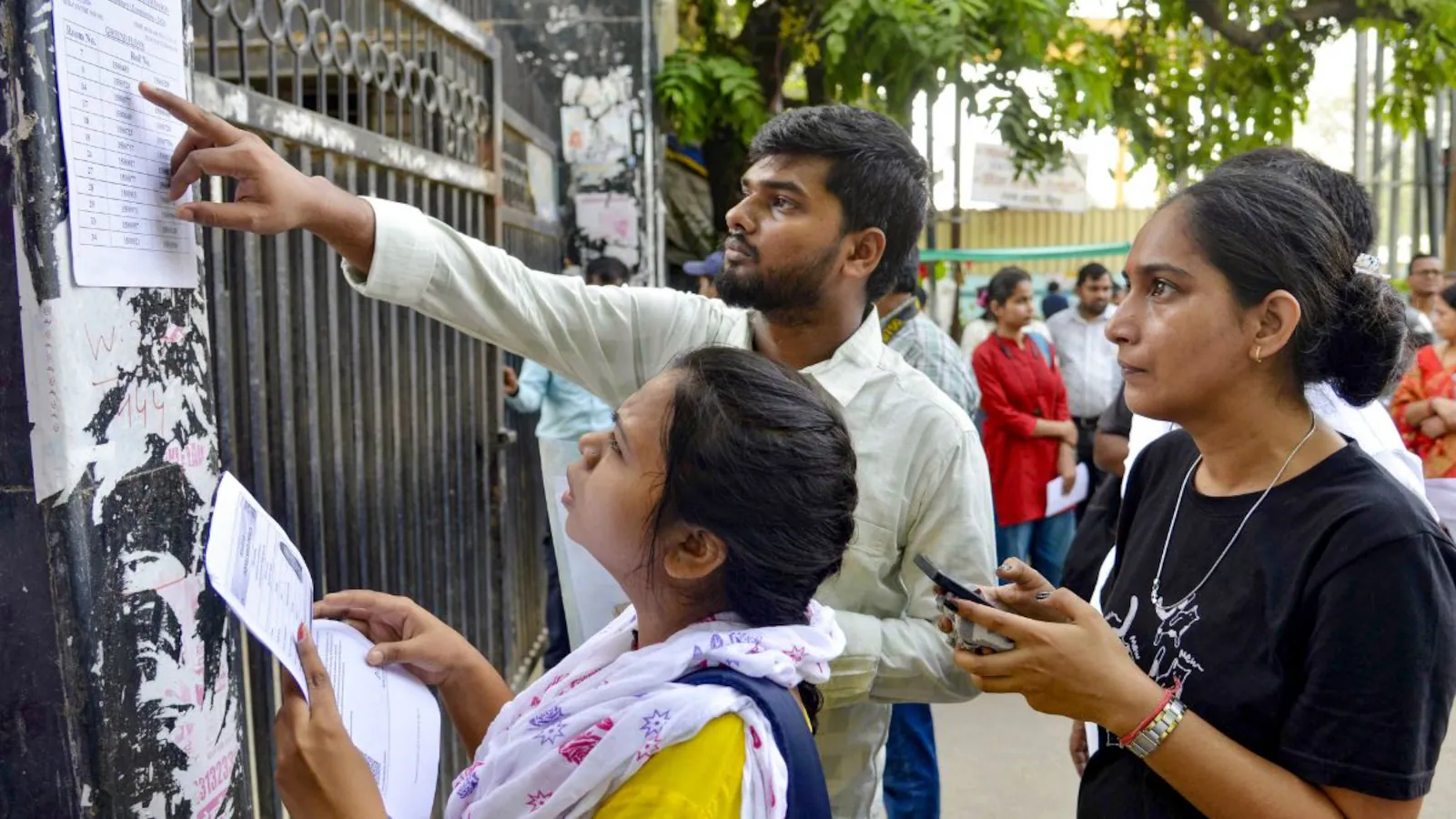
- Indian students applying for Australia student visa
- Australia visa document verification process
- University campus in Australia with international students
- Student visa application documents checklist
- Australia study abroad students 2026