Introduction: When Results No Longer Feel Like a Waiting Game
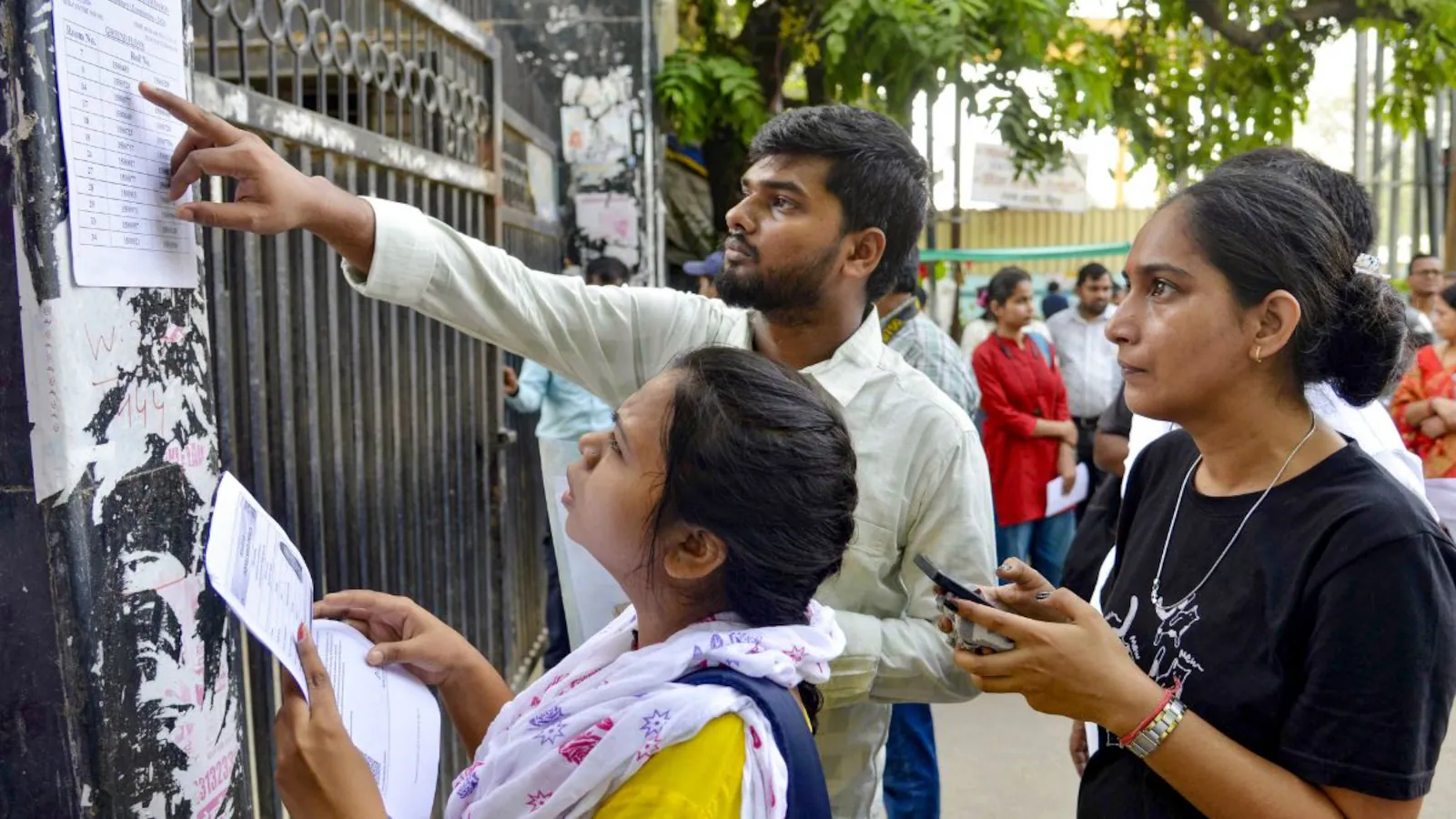
Every student remembers the long, anxious wait after board exams. Days feel longer, questions linger, and uncertainty builds. But that experience is slowly changing.
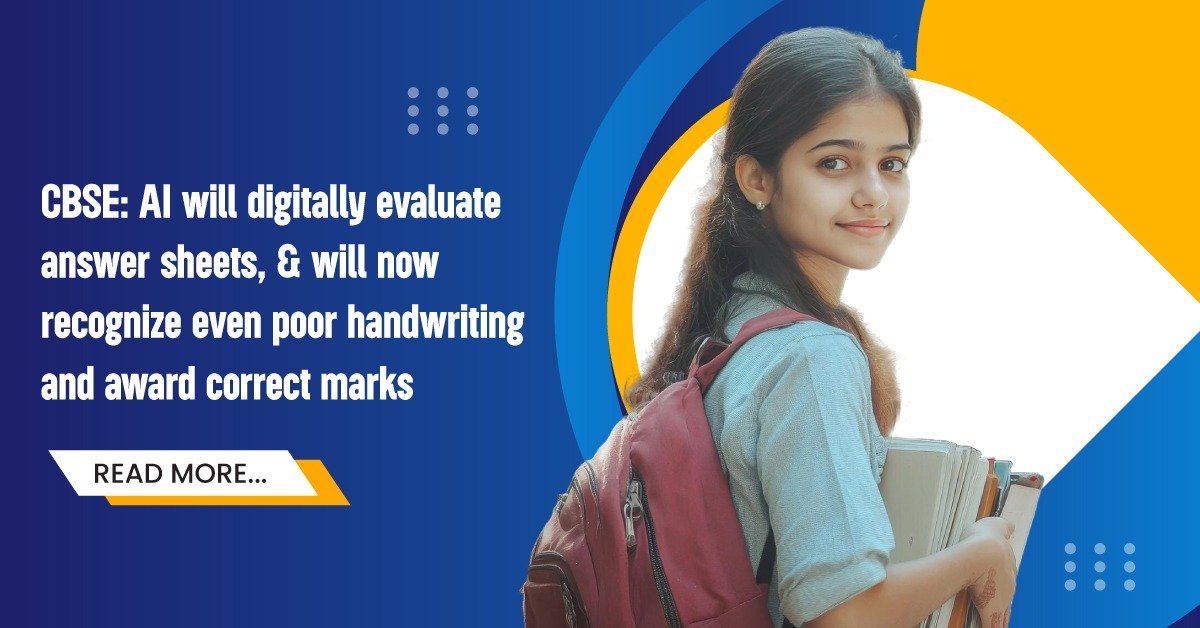
India’s education system is stepping into a new era with AI-based board exam evaluation. What once depended entirely on manual checking is now being supported by intelligent systems that bring speed, accuracy, and fairness.
This is not just about technology. It is about trust—trust in marks, trust in the system, and trust in the future of education.
Understanding AI-Based Board Exam Evaluation in India
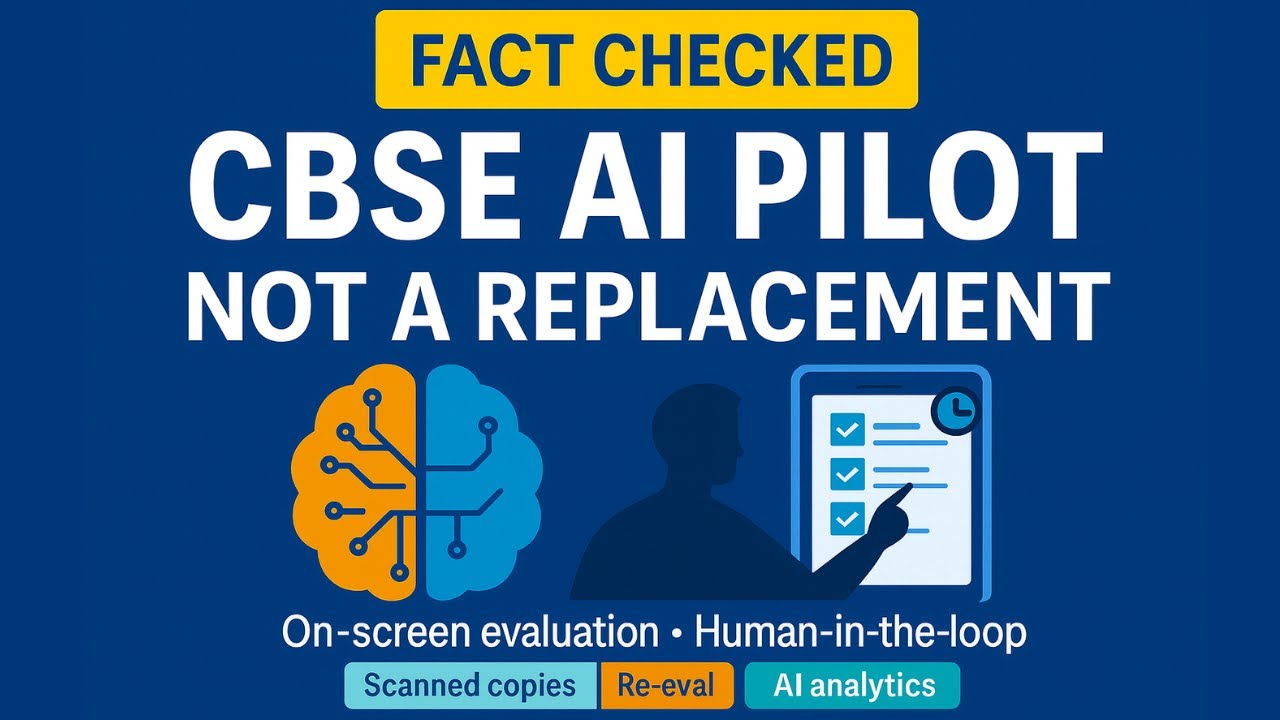
At its core, AI-based board exam evaluation combines human expertise with machine intelligence.
Answer sheets are scanned and uploaded to a secure digital platform. Teachers then assess these copies on-screen, while AI tools assist by tracking marking patterns, identifying missed answers, and ensuring consistency.
This method, often called On-Screen Marking (OSM), is being gradually introduced in India to modernise the evaluation process.
The aim is simple: reduce delays, eliminate errors, and ensure every student gets a fair assessment.
Why the Traditional System Needed a Change
The traditional system served the country for decades, but it had visible cracks.
Evaluation was time-consuming. Transporting answer sheets across centres caused delays. Teachers, despite their dedication, faced fatigue after checking hundreds of copies daily.
Errors, though unintentional, were common—missed answers, incorrect totals, or inconsistent marking.
In high-stakes exams, even small mistakes could impact a student’s future. The need for a more reliable system became urgent.
How AI-Based Evaluation Speeds Up the Process
Speed is one of the biggest advantages of AI-based board exam evaluation.
Digital answer sheets can be shared instantly with evaluators across locations. There is no waiting for physical bundles to arrive.
AI tools also streamline repetitive tasks. They flag unanswered questions, assist in calculations, and reduce manual effort.
As a result, what once took weeks can now be completed in significantly less time. For students, this means quicker results and less anxiety.
Transparency in Evaluation: A Major Breakthrough
Transparency has always been a concern in exam evaluation. AI changes that completely.
Every action taken during evaluation is recorded. Marks awarded, corrections made, and even the time spent on each answer can be tracked.
This creates a clear audit trail, making the system more accountable.
Uniform marking also improves fairness. Similar answers receive similar marks, reducing subjectivity and increasing consistency.
Accuracy and Error Reduction: Building Trust in Marks
Human evaluation can sometimes lead to small but impactful mistakes.
AI acts as a support system to minimise these risks. It helps detect unchecked answers, prevents calculation errors, and ensures adherence to marking schemes.
This combination of human judgment and machine precision creates a more dependable evaluation system.
For students, it means greater confidence that their hard work is being assessed correctly.
Challenges in Adopting AI-Based Board Exam Evaluation
Every innovation brings its own set of challenges.
Digital infrastructure is the first requirement. Schools and evaluation centres need reliable systems, devices, and internet connectivity.
Teacher training is equally important. Moving from pen-and-paper to screen-based evaluation requires adaptation and comfort with technology.
There is also a need to maintain a balance. AI should assist—not replace—human evaluators, especially for subjective answers that require interpretation.
Impact on Students: Less Stress, More Confidence
For students, this shift is a welcome change.
Faster results reduce anxiety. Improved accuracy ensures fairness. Transparency builds trust in the system.
More importantly, this system signals a future where assessments are not just about marks but about meaningful evaluation.
Students can focus more on learning rather than worrying about errors in checking.
The Road Ahead: Smarter Exams, Smarter Learning
The introduction of AI-based board exam evaluation is just the beginning.
In the future, AI could provide detailed feedback on performance, highlight strengths and weaknesses, and even guide personalised learning paths.
Exams may evolve from rote-based testing to skill-based assessment, preparing students for real-world challenges.
India’s education system is not just becoming digital—it is becoming intelligent.
Conclusion: A Fairer System for a Brighter Future
The shift to AI-based board exam evaluation marks a significant milestone in India’s education journey.
It addresses long-standing issues of delay, inconsistency, and lack of transparency. At the same time, it opens doors to a more efficient and trustworthy system.
While challenges remain, the direction is clear. Education is evolving, and technology is playing a key role in shaping its future.
For students, this is more than a change in evaluation—it is a promise of fairness, speed, and clarity.
Frequently Asked Questions (FAQs)
- What is AI-based board exam evaluation?
It is a system where answer sheets are digitally assessed with the support of AI tools to improve speed, accuracy, and fairness.
- Does AI replace teachers in evaluation?
No, teachers remain central to the process. AI only assists in improving efficiency and reducing errors.
- How does AI-based board exam evaluation improve speed?
It removes physical handling of copies and automates repetitive tasks, allowing faster completion of evaluation.
- Is AI-based evaluation more accurate?
Yes, it reduces human errors like missed answers and incorrect totals, ensuring better accuracy.
- Will students get results faster?
Yes, one of the biggest benefits is quicker result declaration.
- Is the system transparent?
Yes, every step is recorded, making the evaluation process more accountable and transparent.
- What challenges does this system face?
It requires strong digital infrastructure, teacher training, and careful implementation.
- Will this system be used everywhere?
It is being introduced gradually and may expand across boards and classes in the future.
Final Thought
The future of education is not just about studying harder—it is about being assessed smarter. And with AI stepping in, that future has already begun.