Introduction
Faith has always been one of the strongest forces that binds people together in India. Temples are not merely places of worship; they are emotional anchors where millions seek hope, healing, and divine connection. On 31 March 2026, the sacred grounds of the Sheetla Mata Temple in Nalanda witnessed an unimaginable tragedy that shook not just Bihar but the entire nation. What was meant to be a day of devotion slowly transformed into a scene of chaos, fear, and irreversible loss. The incident did not unfold as a sudden accident alone; it was the result of multiple factors silently building up over time, waiting for one moment to collapse into disaster. The Nalanda stampede is not just a headline—it is a reflection of systemic gaps, human vulnerability, and the urgent need for reform in managing large gatherings.
The Sacred Setting and the Gathering Crowd
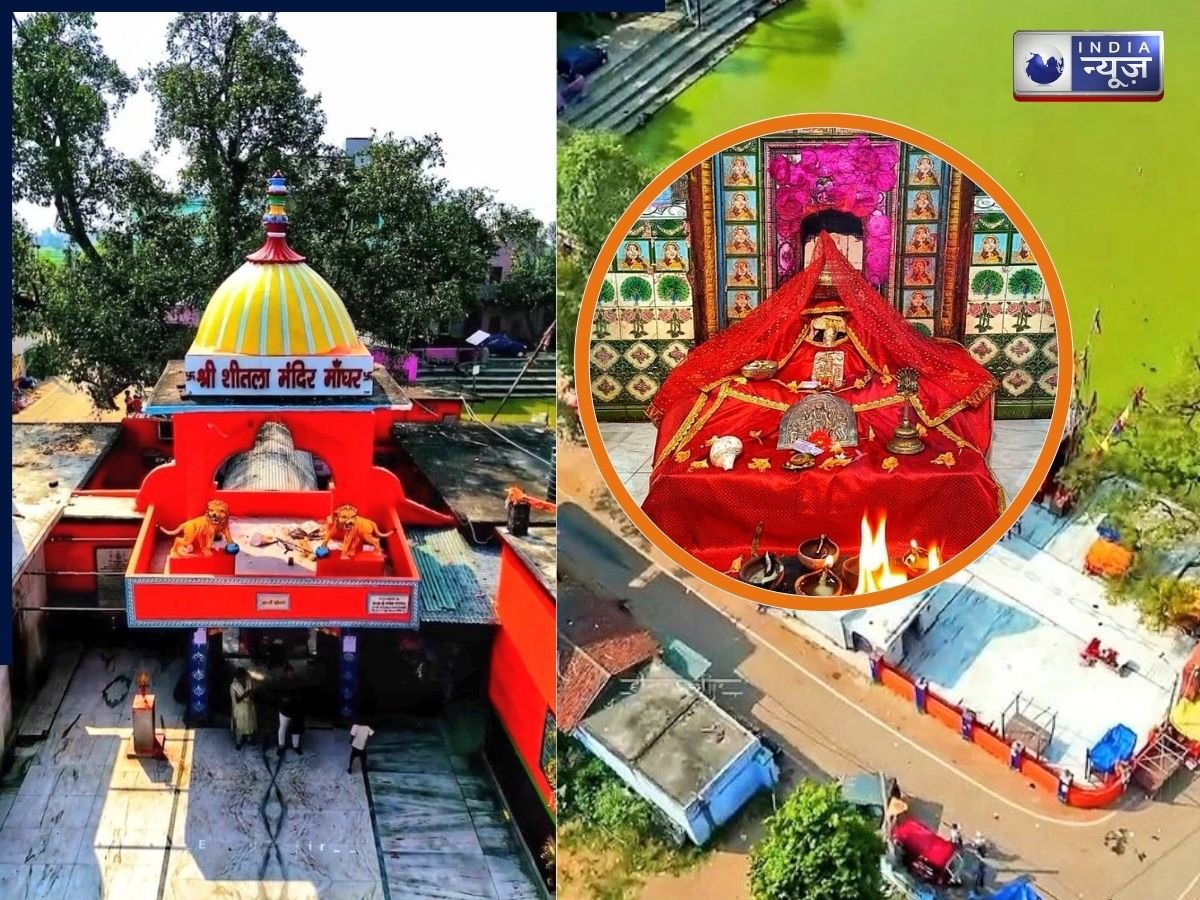
The Sheetla Mata Temple holds deep religious significance, especially for devotees who believe in the goddess as a protector against diseases and misfortunes. On auspicious occasions such as Sheetla Ashtami and nearby festive days, the temple becomes a magnet for thousands of pilgrims arriving from nearby villages and distant towns. On that particular morning, the crowd began building up gradually, but by mid-day, it had swelled beyond manageable proportions. People stood shoulder to shoulder, moving inch by inch, driven by faith and the desire to offer prayers. The narrow pathways and limited infrastructure struggled to accommodate the overwhelming number of devotees. Despite the visible density, the flow of people did not slow down. New groups continued to enter, unaware of the conditions inside. There was a sense of urgency among many devotees, as if reaching the temple quickly would grant them something precious. In such moments, devotion often overrides caution, and the environment becomes fragile, waiting for the smallest disruption to trigger chaos.
The Moment When Order Collapsed
What makes a stampede particularly tragic is how quickly normalcy dissolves into panic. At Nalanda, the transition from order to chaos happened within minutes. Eyewitness accounts suggest that a sudden surge in the crowd created immense pressure from behind, leaving those in front with no space to move. People began losing balance, and once a few individuals fell, the situation escalated uncontrollably. The human instinct to escape took over, and in that rush, individuals pushed forward without realising the consequences. Voices shouting for help were drowned in the noise of the crowd. Children cried, elderly people struggled to stand, and women, who formed a large part of the gathering, were caught in the most vulnerable positions. In such dense crowds, even a slight imbalance can trigger a chain reaction, and that is precisely what unfolded. Within moments, the sacred temple premises turned into a site of fear, where survival became the only priority.
Lives Lost and Families Shattered
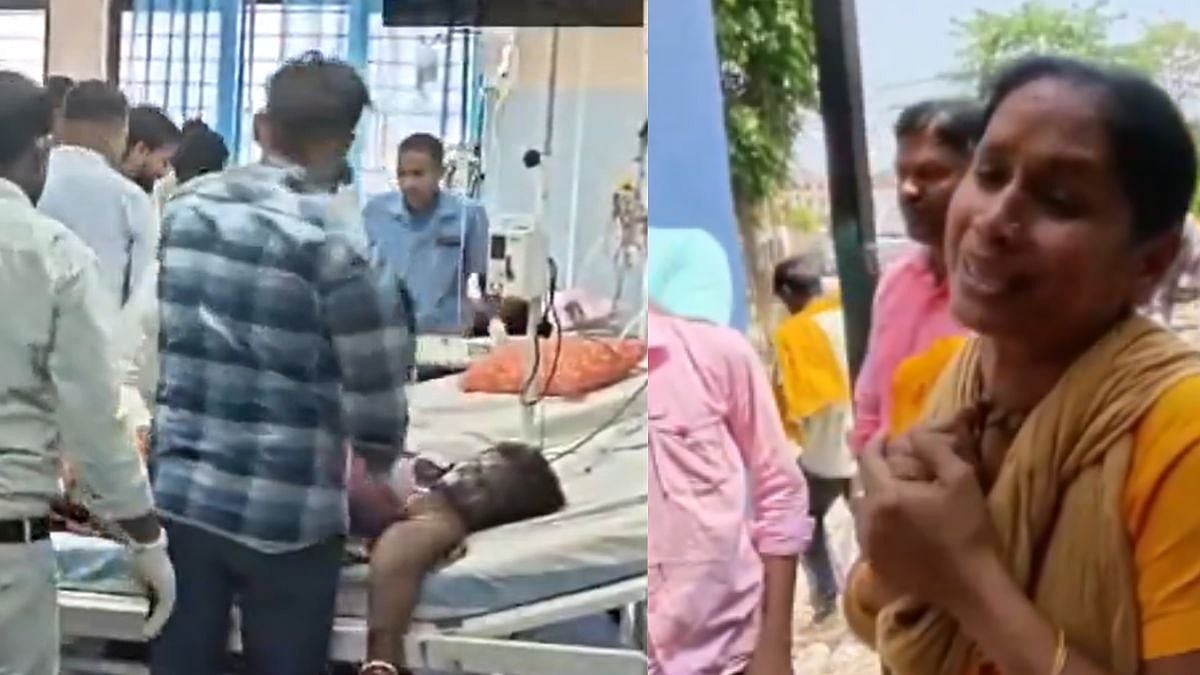
The most heartbreaking aspect of the Nalanda tragedy lies in the lives that were lost. Reports confirmed that at least eight women died in the stampede, while many others suffered injuries ranging from minor bruises to critical conditions. These were not just numbers—they were individuals with families, responsibilities, and dreams. Many had come to the temple seeking blessings for their loved ones, unaware that it would be their final journey. In rural communities, the loss of a family member often has far-reaching consequences, both emotional and economic. Children lose caregivers, households lose stability, and communities are left grappling with grief. Hospitals in the nearby areas witnessed scenes of desperation as relatives searched for their loved ones among the injured. The silence that follows such tragedies is often louder than the chaos itself. It is in that silence that the true weight of the loss is felt.
Rescue Efforts and Administrative Response
When the situation began to stabilise, emergency response teams moved into action. Ambulances were rushed to the site, and the injured were transported to nearby hospitals as quickly as possible. Police personnel and local volunteers tried to disperse the crowd and create pathways for rescue operations. However, like many such incidents, the initial response faced challenges due to the sheer scale of the crowd and the limited preparedness on the ground. Medical teams worked under pressure, treating multiple patients simultaneously, often with limited resources. Authorities later announced investigations to understand the sequence of events and identify lapses in management. Statements were made, assurances were given, and compensation for victims’ families was declared. Yet, beneath these formal responses lies a deeper question that continues to echo—could this tragedy have been prevented?
Understanding the Root Causes
The Nalanda stampede did not occur in isolation; it was the result of several interconnected factors. Overcrowding was the most visible cause, but it was not the only one. The absence of effective crowd control measures allowed the number of devotees to exceed safe limits. Infrastructure limitations, such as narrow entry and exit points, added to the risk. There was also a lack of clear communication systems to guide the crowd during critical moments. In many religious gatherings, there is an assumption that things will manage themselves, but such assumptions can prove dangerous. Another important factor is the behavioural aspect of crowds. When individuals feel trapped or threatened, they act instinctively rather than rationally. This instinctive reaction, when multiplied across thousands of people, creates a powerful and often uncontrollable force. The tragedy at Nalanda is a stark reminder that managing crowds is not just about numbers—it is about understanding human behaviour, planning for worst-case scenarios, and being prepared for rapid response.
A Pattern Seen too Often
India has witnessed several similar incidents in the past, particularly during religious events where large gatherings are common. Each time, there is a sense of shock, followed by mourning and promises of improvement. Yet, over time, the urgency fades, and the lessons are not fully implemented. The Nalanda incident fits into this troubling pattern. It raises concerns about whether enough is being done to ensure safety at such events. The repetition of these tragedies suggests that the issue is not merely situational but systemic. It points to gaps in planning, coordination, and accountability that need to be addressed at a structural level. Without long-term solutions, there is a risk that such incidents will continue to occur, each time leaving behind a trail of loss and regret.
The Human Psychology Behind Stampedes
To truly understand such incidents, it is essential to look beyond physical factors and examine the psychology of crowds. In a dense gathering, individuals often lose their sense of personal space and control. When a perceived threat emerges, whether real or imagined, the collective response becomes unpredictable. Fear spreads quickly, and the need to escape overrides all other considerations. In such situations, even well-intentioned actions can contribute to the chaos. For example, someone trying to move faster may unintentionally push others, triggering a chain reaction. The absence of clear guidance or visible authority figures can further amplify the confusion. Understanding these psychological dynamics is crucial for designing effective crowd management strategies. It is not enough to control movement; there must also be systems in place to maintain calm and provide reassurance during critical moments.
What could have been Done Differently
The Nalanda tragedy raises important questions about preparedness and responsibility. With better planning, many of the risks could have been mitigated. Controlled entry systems could have limited the number of people inside the temple premises at any given time. Clearly marked pathways and emergency exits could have facilitated smoother movement. Trained personnel stationed at key points could have guided the crowd and responded quickly to early signs of distress. Technology, such as surveillance cameras and real-time monitoring systems, could have provided valuable insights into crowd density and movement patterns. Public awareness campaigns could have educated devotees about safe practices during large gatherings. Each of these measures, while seemingly simple, plays a crucial role in preventing disasters. The absence of such measures at Nalanda highlights the need for a more proactive approach to safety.
The Role of Leadership and Accountability
In the aftermath of any tragedy, attention often turns to questions of accountability. Who is responsible? Could the incident have been avoided? While it is important to identify lapses, it is equally important to focus on systemic improvement. Leadership at all levels—administrative, organisational, and community—plays a vital role in ensuring safety. This includes not only planning and execution but also continuous monitoring and evaluation. Accountability should not be limited to post-incident investigations; it should be an ongoing process that drives better practices. The Nalanda stampede serves as a reminder that leadership is not just about managing events—it is about safeguarding lives.
Moving Forward: Lessons That Must Not Be Ignored
Every tragedy carries within it the seeds of learning, but only if those lessons are acknowledged and acted upon. The Nalanda incident underscores the need for a comprehensive approach to managing large gatherings. This includes infrastructure development, technological integration, and human resource training. It also requires a cultural shift in how safety is perceived—not as an afterthought, but as a fundamental priority. Communities, authorities, and organisations must work together to create environments where faith can be expressed without fear. The goal should not be to eliminate large gatherings, but to make them safer and more organised.

FAQs
Q1: What happened in the Nalanda Sheetla Mata Temple stampede 2026?
A tragic stampede occurred at the Sheetla Mata Temple in Nalanda, Bihar, resulting in the death of at least eight devotees and injuries to many others due to overcrowding and panic.
Q2: What were the main causes of the stampede?
The incident was primarily caused by excessive crowding, lack of proper crowd management, limited infrastructure, and sudden panic among devotees.
Q3: Who were the victims of the tragedy?
Most of the victims were women devotees who had come to offer prayers at the temple.
Q4: Were rescue operations carried out effectively?
Rescue efforts were initiated quickly, but initial challenges and lack of preparedness affected the response.
Q5: How can such incidents be prevented in the future?
Better planning, controlled entry, improved infrastructure, use of technology, and public awareness can significantly reduce the risk of such tragedies.
Final Summary
The Nalanda Sheetla Mata Temple stampede is more than a tragic event—it is a wake-up call. It reminds us that while faith brings people together, it also demands responsibility from those who manage such gatherings. The loss of lives is a painful reminder of what happens when preparation falls short. As the nation reflects on this incident, the focus must shift from mourning to meaningful action. Because the true measure of respect for those who were lost lies in ensuring that such a tragedy never happens again.