Introduction
Leadership is not just about holding a position—it is about influence, responsibility, and the ability to inspire others. Across history, great leaders have emerged from different walks of life, proving that leadership is not inherited but cultivated through effort, discipline, and vision. From political icons to business magnates, their journeys offer powerful lessons for anyone aspiring to lead. This article explores the essential leadership qualities, real-life examples, and practical insights that can help individuals rise step by step and achieve success in life.
What is Leadership and Why it Matters
Leadership is the ability to guide, influence, and inspire people towards a common goal. It is not limited to politics or business—it is relevant in every field, including education, sports, and social work.
A true leader does not command; instead, they connect with people, understand their needs, and lead with purpose. Leadership matters because it shapes organisations, societies, and even nations.
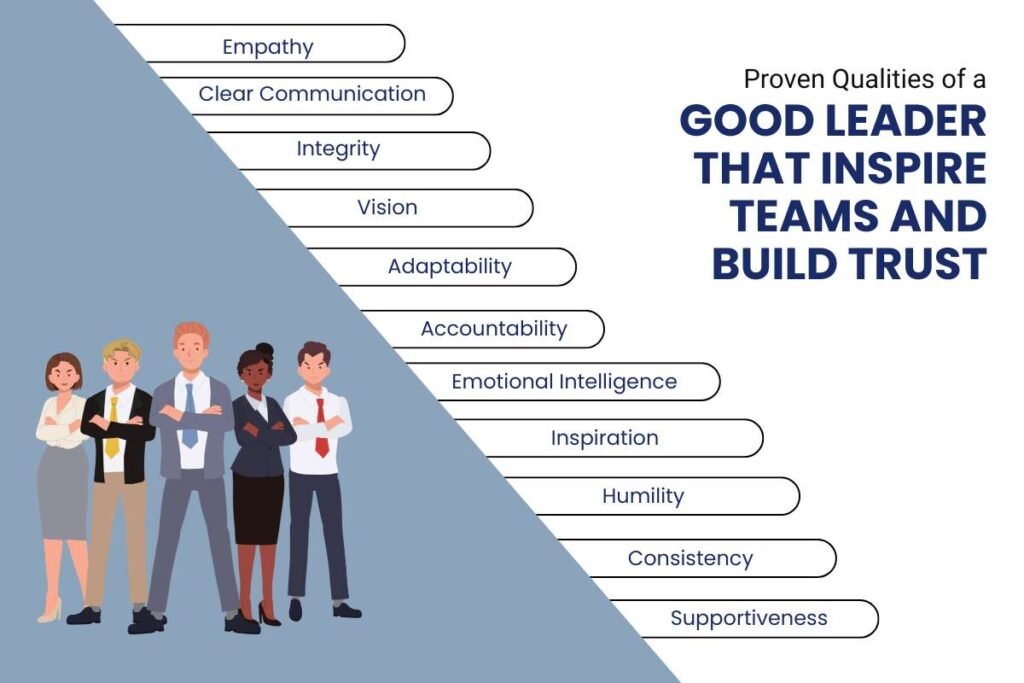
Key Leadership Qualities for Success
Hard Work and Smart Work
Success is rarely accidental. Great leaders combine hard work with smart strategies. They understand that effort alone is not enough; direction and planning are equally important.
Vision and Clarity
A leader must have a clear vision. Without direction, even the most talented team can lose focus. Vision helps in setting long-term goals and guiding decisions.
Ability to Face Challenges
Leaders climb the ladder step by step. Along the way, they face difficulties, failures, and criticism. What sets them apart is their ability to convert fear into action.
Strong Communication Skills
Effective leaders maintain strong interpersonal relationships. They remember names, understand people, and build trust through communication.
Continuous Learning
In a rapidly changing world, learning is essential. Leaders who attend seminars, conferences, and training programmes stay ahead and adapt to new trends.
Adaptability to Change
Technology and markets change quickly. Leaders who fail to adapt become outdated. Those who embrace innovation continue to grow.
Delegation and Team Management
Leadership is not about doing everything alone. It involves delegating tasks, monitoring performance, and trusting the team.
Examples of Great Leaders
Business Leaders
- Mukesh Ambani transformed Reliance into a global powerhouse through vision and innovation.
- Kumar Mangalam Birla expanded his business empire with strategic thinking.
- N. R. Narayana Murthy built Infosys with strong values and leadership ethics.
Political Leaders
- Narendra Modi rose from humble beginnings to become a global political leader.
- Indira Gandhi demonstrated strong and decisive leadership during challenging times.
Leadership Lessons from Real Life
Great leaders are not born into perfect conditions. Many come from humble backgrounds, yet they achieve extraordinary success.
They:
- Start small
- Learn continuously
- Stay disciplined
- Focus on long-term goals
Leadership is a journey, not a destination.
Common Mistakes Leaders Must Avoid
Even great leaders can fail if they:
- Become arrogant
- Stop listening to feedback
- Ignore innovation
- Lose connection with their team
Leadership requires humility and constant self-improvement.
How to Develop Leadership Skills
Anyone can develop leadership qualities by following simple steps:
- Set clear goals
- Build strong habits
- Improve communication
- Learn from mentors
- Stay adaptable
Consistency is the key to growth.
FAQs
Q1: Can leadership skills be learned?
Yes, leadership skills can be developed through practice, learning, and experience.
Q2: What is the most important leadership quality?
Vision combined with the ability to execute is considered the most important quality.
Q3: How do leaders handle failure?
Leaders treat failure as a learning opportunity and use it to improve future decisions.
Q4: Why is communication important in leadership?
Communication builds trust, clarity, and strong relationships within a team.
Q5: Do all leaders need to be extroverts?
No, introverts can also be highly effective leaders through thoughtful communication and strong decision-making.
Final Summary
Leadership is not about titles—it is about impact. Whether in business, politics, or daily life, leaders shape the future through their actions and decisions. By developing key qualities such as vision, adaptability, communication, and continuous learning, anyone can rise to become an effective leader.
The journey may be challenging, but with dedication and the right mindset, leadership success is within reach.
—VK Jaitly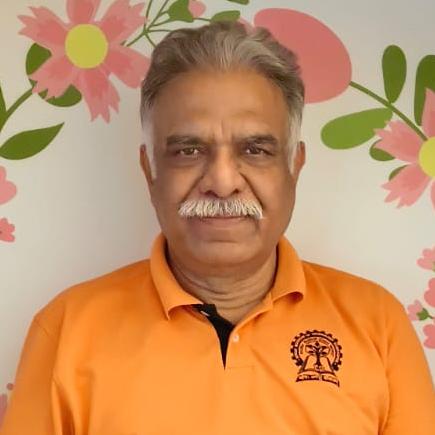
(Author Bio:
Commander VK Jaitly is a rare exIITian, who decided to join Indian Navy after his B.Tech Hons in E&ECE from the top IIT of those days, IIT Kharagpur. He is seen on some National TV Channels as a Defence Expert.
He was commissioning crew of INS Viraat.
He is a recognised Motivational Speaker, Leadership coach and a mentor for many.
Presently, he is advisor to IIT Kharagpur, BOG member IIT Bhubaneswar, UGC Nominee at SRM University Chennai and on the International Advisory Board of SOA University, Bhubaneswar.
He is Founder National Coordinator of Youth4Nation. His books We Can! We Can!, सफलता की उड़ान and YouTube channel ExcellenceGuru has changed the lives of many. His book “100 Great IITians: Dedicated to the Service of the Nation” has changed the perception of many about IITs. His alma mater IIT Kharagpur honoured him with their highest awards of DSA and DAA. An organisation honoured him with IIT Ratna award)