Introduction
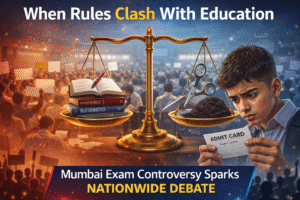
Sometimes, a small rule creates a big storm. That’s exactly what happened in Mumbai when a few students were reportedly stopped from entering their exam hall—not for cheating, not for being late, but for their haircut.
The incident, which quickly went viral, has triggered a serious debate across India. It raises a fundamental question: Should discipline outweigh a student’s right to education?
Let’s unpack what really happened, why people are upset, and what this means for students, schools, and the education system as a whole.
What Happened in Mumbai?
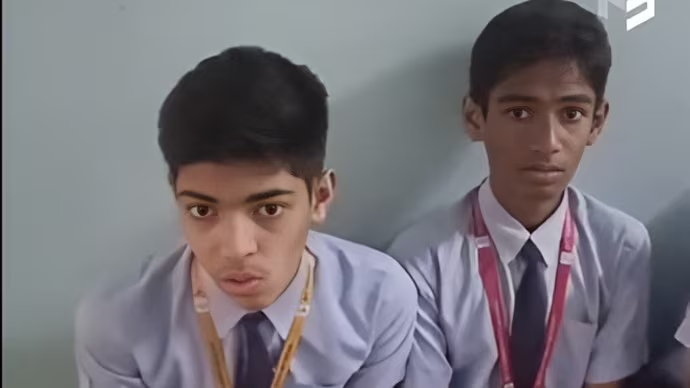
The controversy emerged from St. Teresa High School in Mumbai, where several students were allegedly denied entry into their examination hall due to not following haircut rules.
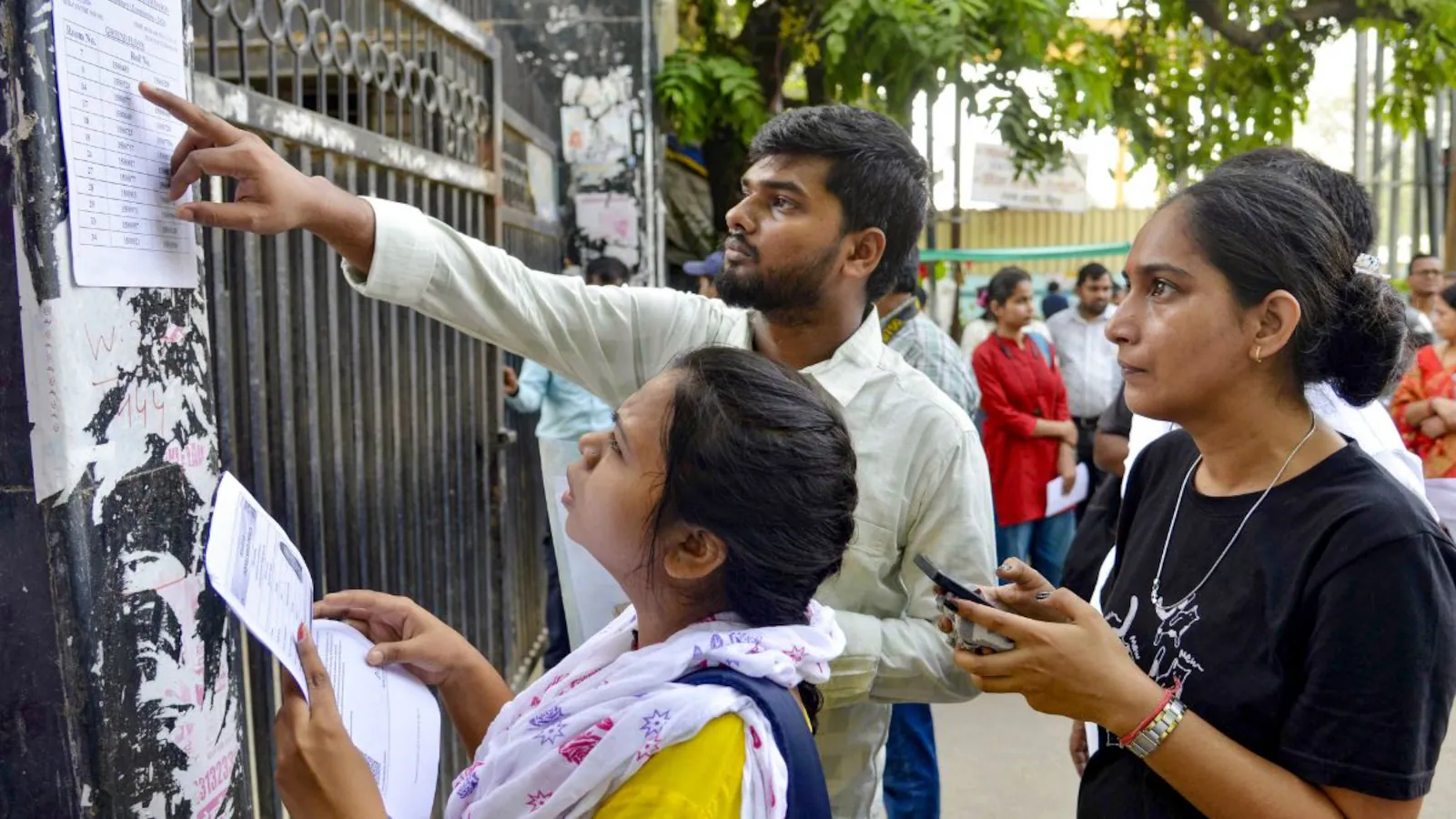
According to reports, students were checked at the school gate before the exam. Those whose hair length did not comply with the institution’s grooming standards were stopped from entering.
A viral video captured the chaos outside the school premises—students waiting helplessly, parents arguing with authorities, and emotions running high.
For many, it wasn’t just a rule enforcement issue. It felt like a direct attack on a student’s academic future.
Why Did the Issue Go Viral?
In today’s digital world, it takes just one video to ignite a national conversation.
The footage of students being turned away spread rapidly on social media platforms. People across the country reacted strongly, questioning the priorities of educational institutions.
Many users argued that:
- Exams are crucial milestones
- Missing one can affect a student’s future
- Haircuts are temporary, but academic loss is permanent
The emotional intensity of the video made the issue relatable. Almost everyone could imagine being in that situation—or seeing their child in it.
The Core Debate: Discipline vs Right to Education
This incident has opened up a larger conversation.
The Case for Discipline
Schools have always enforced rules—uniforms, grooming, punctuality. Supporters of the school argue:
- Discipline builds character
- Rules ensure equality among students
- Ignoring rules may lead to chaos
Some even believe that students and parents are aware of these rules beforehand, so compliance is expected.
The Case for Student Rights
On the other side, critics raise a powerful argument:
- Education is a fundamental right
- No rule should block access to exams
- Punishment should not be disproportionate
Denying entry to an exam over a haircut, many say, crosses the line from discipline into injustice.
Impact on Students: More Than Just One Exam
For students, this is not a small inconvenience.
Missing an exam can mean:
- Losing a full academic year
- Emotional stress and anxiety
- Loss of confidence
- Pressure from family and society
At a young age, such experiences can leave long-lasting psychological effects.
And the bigger question remains—was the punishment proportionate to the mistake?
What Are Parents Saying?
Parents have been among the most vocal critics.
Many expressed anger and frustration, questioning how a school could prioritise appearance over education.
Some parents reportedly confronted school authorities on the spot, demanding that their children be allowed to sit for the exam.
For them, the issue is simple:
“Rules are important—but not at the cost of a child’s future.”
Legal and Ethical Questions Raised
This incident is not just emotional—it may also have legal implications.
Experts suggest:
- Denying a student from appearing in an exam could violate their right to education
- Parents can approach education boards or child rights commissions
- In extreme cases, legal action may be taken
The controversy highlights the need for clear guidelines on how far schools can go in enforcing discipline.
A Pattern of Similar Incidents?
Interestingly, this is not the first time such issues have surfaced.
Across India, there have been cases where students were restricted due to:
- Dress code violations
- Mehndi on hands
- Minor uniform issues
These incidents suggest a pattern where rigid enforcement sometimes overshadows student welfare.
What Should Schools Learn from This?
This controversy offers an important lesson for educational institutions.
Balance is Key
Rules are necessary—but flexibility is equally important.
Schools could:
- Allow students to sit for exams and enforce rules later
- Issue warnings instead of harsh penalties
- Focus on education first, discipline second
Human-Centric Approach
At the heart of education lies empathy.
A school is not just a rulebook—it’s a place that shapes young minds.
What Should Students and Parents Do?
For students and parents, this situation is also a reminder:
- Be aware of school rules
- Communicate concerns early
- Stand up for rights respectfully
Preparation is not just academic—it’s also about navigating systems wisely.
Conclusion: A Much Bigger Question Than Haircuts
What started as a haircut issue has now become a national conversation about fairness, priorities, and student rights.
The real takeaway?
Education should never be denied over something that can be corrected later.
Discipline matters. Rules matter.
But when they begin to block opportunities instead of guiding behaviour, it’s time to rethink them.
Because at the end of the day, schools are not just meant to enforce rules—they are meant to build futures.