Introduction
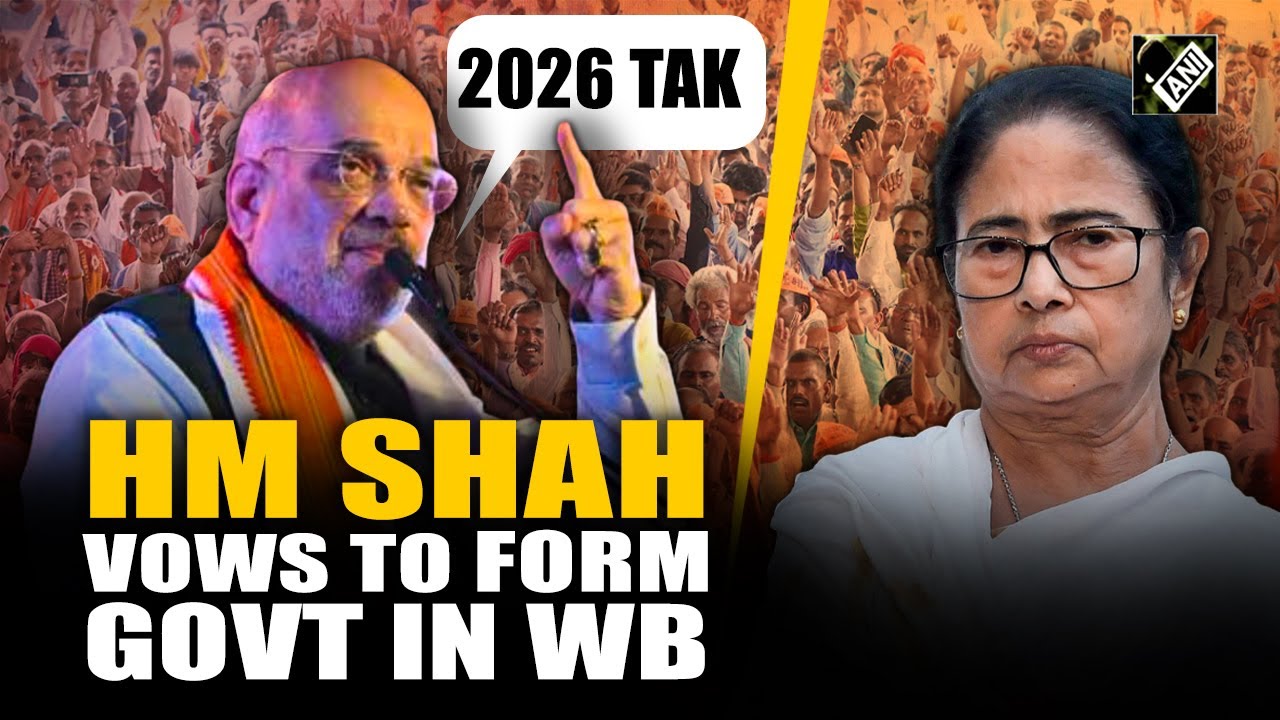
West Bengal is once again at the center of India’s political spotlight as the state gears up for a crucial विधानसभा चुनाव. With nearly 15 years of continuous rule under Mamata Banerjee, the political landscape appears more volatile than ever. The ruling party, All India Trinamool Congress (TMC), is facing internal unrest, rebellion from its own MLAs, and growing anti-incumbency sentiments among voters.
But the key question remains:
Is Mamata Banerjee losing control over her party?
This blog explores the emerging crisis within TMC, the rebellion of leaders, shifting voter sentiment, and what it could mean for the future of West Bengal politics.
Rising Anti-Incumbency in West Bengal
After 15 years in power, anti-incumbency is inevitable. However, in West Bengal, it seems deeper and more widespread. The upcoming elections are not being seen as routine but as a battle of narratives:
- Democracy vs Corruption
- Governance vs Chaos
- Stability vs Authoritarianism
The opposition, especially the Bharatiya Janata Party (BJP), is aggressively capitalizing on this sentiment, positioning itself as the primary challenger.
Ticket Cuts Spark Massive Rebellion
In a surprising political move, Mamata Banerjee denied tickets to over 35% of sitting MLAs—around 74 out of 215 legislators. The strategy appears to shift public anger away from leadership and onto local representatives.
However, this move has backfired in many areas, triggering open rebellion within the party.
Key Leaders Who Rebelled
-
Manirul Islam – Farakka Constituency
Manirul Islam, a strong leader from Farakka, was denied a ticket despite a massive victory margin in 2021. He has now announced that he will contest as an independent candidate, which could split votes and weaken TMC’s chances.
-
Khageshwar Roy – Rajganj (SC Seat)
Khageshwar Roy, a three-time MLA, resigned from all party posts after being denied a ticket. His rebellion in Jalpaiguri district could significantly impact the election outcome, especially in a region where BJP has been gaining ground.
-
Tajmul Hossain – Harishchandrapur
Tajmul Hossain was replaced by a candidate who had previously contested on a BJP ticket. This has led to dissatisfaction and raised questions about TMC’s candidate selection strategy.
-
Rafikul Rahman – Amdanga
Rafikul Rahman, a three-time MLA, has issued an ultimatum to the party leadership. His supporters have already begun protests, signaling potential escalation.
-
Tapan Chatterjee – Purba Bardhaman
Tapan Chatterjee has alleged corruption in ticket distribution and hinted at contesting independently if his concerns are not addressed.
Strongholds Turning Vulnerable
Several districts that were once TMC strongholds are now showing cracks:
Murshidabad and Malda
Traditionally dominated by TMC and Congress, these districts are witnessing a three-way contest involving:
- TMC
- BJP
- Indian National Congress
Leaders like Adhir Ranjan Chowdhury and emerging figures such as Mausam Noor are expected to play crucial roles.
North 24 Parganas
Despite being a TMC bastion, internal dissent and candidate reshuffles have created uncertainty.
Cooch Behar and Jalpaiguri
These regions have seen a steady rise of BJP, making them highly competitive battlegrounds.
BJP’s Strategy: Waiting and Watching
Unlike previous elections, BJP is reportedly cautious about giving tickets to rebel TMC leaders. Instead, it is relying on:
- Consolidating anti-incumbency votes
- Strengthening its grassroots network
- Capitalizing on internal divisions within TMC
This “wait and watch” approach could prove strategic if rebel candidates split TMC votes.
The Role of Minority Votes and Welfare Schemes
One of the biggest strengths of Mamata Banerjee remains her strong support among minority voters. Reports suggest:
- Minority population: ~30%
- Voting support for TMC: Up to 85–90% in previous elections
Additionally, welfare schemes and Direct Benefit Transfers (DBT) have helped TMC maintain a loyal voter base.
However, the effectiveness of these factors will be tested amid growing dissatisfaction.
Congress and Regional Dynamics
Congress is also making strategic moves, especially in Malda and Murshidabad. The potential projection of a strong leader like Mausam Noor as a CM face could reshape the political equation.
At the same time, smaller parties and alliances may further complicate the vote share distribution.
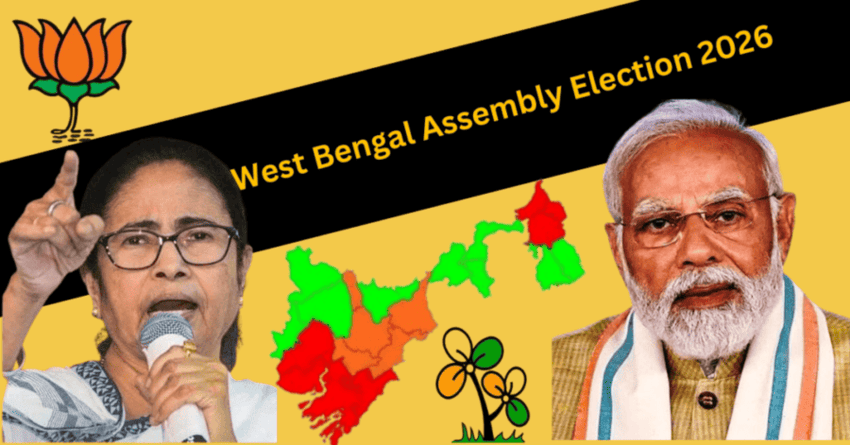
What Lies Ahead?
The West Bengal elections are shaping up to be one of the most unpredictable contests in recent years. Key factors that will decide the outcome include:
- Extent of rebellion within TMC
- Vote splitting due to independent candidates
- BJP’s ability to consolidate opposition votes
- Congress’s regional influence
- Voter response to welfare schemes vs governance issues
Conclusion
The political situation in West Bengal suggests a turning point. While Mamata Banerjee remains a formidable leader, the cracks within her party cannot be ignored.
The बड़े सवाल (big questions) remain:
- Can TMC contain internal rebellion?
- Will anti-incumbency overpower welfare politics?
- Can BJP or Congress capitalize on this instability?
The answers will unfold on election day, but one thing is clear—West Bengal is heading toward a high-stakes political battle that could redefine its future.
—-Pradeep Jha, Political Analyst & Editor, Political Idea)