Introduction
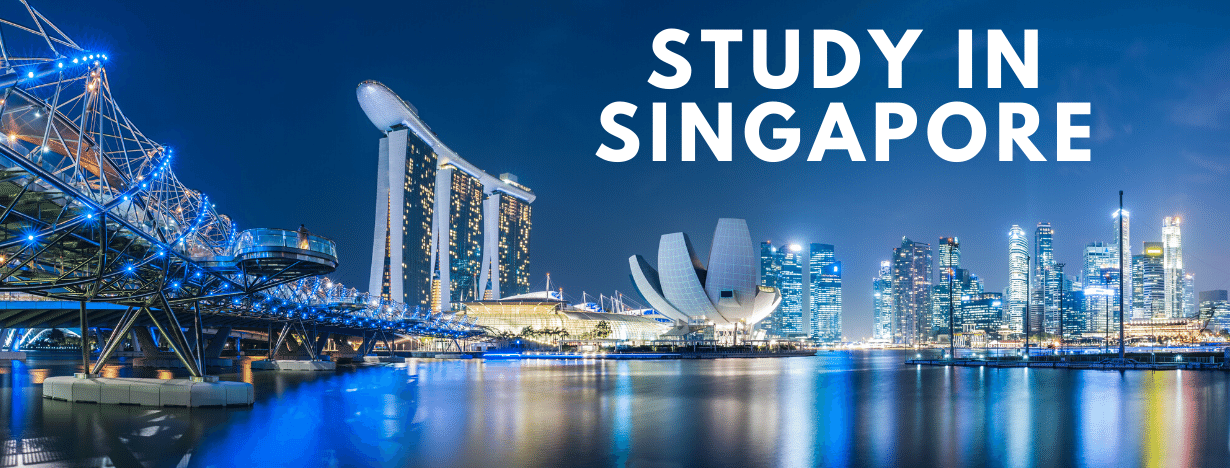
For many students dreaming of studying abroad, the usual names come to mind—the United States, the United Kingdom, or Australia. But quietly and confidently, Singapore has emerged as one of the most attractive education destinations in the world. Known as the “Lion City,” this small island nation offers a powerful mix of global-quality education, affordability, and career opportunities.
What makes Singapore truly stand out is not just its world-class universities, but the practical advantages it offers—English-medium education, proximity to India and other Asian countries, and strong job prospects after graduation. Yet, like every opportunity, it comes with its own set of challenges.
This guide walks through everything—advantages, costs, universities, courses, and real-world realities—so that an informed decision can be made about studying in Singapore.
Why Singapore is Becoming a Top Study Abroad Destination
Singapore is not just another study destination. It is a carefully designed ecosystem where education meets industry, innovation, and global exposure.
One of the strongest reasons behind its popularity is its global reputation for academic excellence. Universities here consistently rank among the best in the world. At the same time, the country offers a safe, clean, and highly developed environment—something every student and parent values.
Another major advantage is its strategic location. For students from India, Nepal, Bangladesh, or other Asian countries, Singapore feels close to home. Flights are shorter, travel costs are lower, and cultural adjustment becomes easier.

Top Universities in Singapore
Singapore is home to some of the most prestigious institutions in Asia and the world.
The National University of Singapore (NUS) is widely regarded as the top university in Asia, known for its research output and global collaborations. Alongside it, Nanyang Technological University (NTU) has built a reputation for excellence in engineering, technology, and innovation.
Other strong institutions include:
- Singapore Management University (SMU) – ideal for business and management studies
- Singapore University of Technology and Design (SUTD) – focused on design and engineering
- Several other specialised institutes offering high-quality education
What sets these universities apart is their industry connection. Education is not limited to classrooms—it is deeply linked to real-world applications.
Tuition Grant Scheme: A Major Financial Advantage
One of the most attractive features of studying in Singapore is the Tuition Grant Scheme.
Under this scheme, the Singapore government subsidises 30% to 80% of tuition fees. This significantly reduces the financial burden on international students.
However, there is a condition.
Students must commit to working in Singapore for three years after graduation. For most students, this is not a drawback—it is actually an opportunity to gain international work experience and recover their investment.
Cost of Studying in Singapore
When compared to countries like the US or UK, Singapore is relatively affordable.
Estimated Tuition Fees
- Bachelor’s Degree: SGD 25,000 – SGD 42,000 per year
- Master’s Degree: SGD 30,000 – SGD 62,000 per year
- PhD: Usually funded (often with stipend)
The key point here is value. The cost may seem significant, but the return on investment is strong due to high employability and salaries.
Living Expenses in Singapore
Living in Singapore is modern, efficient, and relatively expensive compared to India—but manageable with planning.
Monthly expenses may include:
- Accommodation: SGD 500 – SGD 1,500
- Food: SGD 300 – SGD 600
- Transport: SGD 100 – SGD 150
- Miscellaneous: SGD 200 – SGD 400
Students can work part-time (up to 16 hours per week) to support these expenses.
Best Courses to Study in Singapore
Singapore’s education system is aligned with global industry needs. Some fields stand out clearly.
- Computing and IT
Artificial Intelligence, Data Science, and Machine Learning are in high demand.
- Business and Management
Singapore is a global financial hub, making it ideal for business studies.
- Healthcare
Advanced medical infrastructure makes healthcare education highly valuable.
- Engineering and Technology
Strong focus on innovation and practical skills.
- Banking and Finance
Perfect for students targeting careers in global finance.
Intakes and Application Timeline
Understanding the academic calendar is crucial.
- Fall Intake (August/September): Main intake
- Application Deadline: December to January
- Spring Intake (January): Limited availability
Planning early is essential because top universities have competitive admissions.
Admission Requirements
Getting into a Singapore university requires careful preparation.
Key requirements include:
- Strong academic scores (usually 70–75% and above)
- English proficiency test (IELTS, TOEFL, or PTE)
- Statement of Purpose (SOP)
- Standardised tests (GRE/GMAT for some programs)
The Statement of Purpose plays a crucial role. It reflects clarity of goals and alignment with the chosen course.

Career Opportunities After Graduation
Singapore offers strong career prospects due to its thriving economy.
Average Salaries
- Software Developer: ~SGD 71,000/year
- Dentist: ~SGD 81,000/year
- Accountant: ~SGD 60,000/year
These figures vary with experience but indicate strong earning potential.
Post-Study Work Opportunities
Students graduating from recognised institutions (IHLs) get:
- 1-year job search period
If a job is not secured immediately, a Long-Term Visit Pass allows staying up to 2 years to find employment.
However, students from private institutions may get only 3 months, which can be risky.
The Reality Check: Challenges to Consider
While Singapore offers many advantages, it is important to understand the challenges.
- Permanent Residency (PR) is Difficult
Getting PR has become increasingly competitive, especially for Indian students. Even highly qualified professionals may face rejection.
- Competitive Admissions
Top universities have strict selection criteria.
- Limited Seats
Due to its small size, Singapore cannot accommodate large numbers of international students.
Why Singapore Still Makes Sense
Despite challenges, Singapore remains a strong choice for many reasons.
- Globally recognised degrees
- Strong job market
- Safe and modern lifestyle
- Cultural familiarity for Indian students
- Excellent return on investment
For students focused on education + career growth, Singapore offers a balanced path.
Conclusion
Choosing a study destination is one of the most important decisions in life. Singapore may not be the most obvious choice, but it is certainly one of the smartest ones.
It combines quality education, affordability, and career opportunities in a way few countries can. The Tuition Grant Scheme reduces financial stress, while the job market provides real opportunities to grow.
Yes, challenges exist—especially around permanent residency—but if the goal is to gain global exposure, earn well, and build a strong career foundation, Singapore stands out as a practical and powerful option.
The journey may begin with a degree, but in Singapore, it often leads to much more—a global career, financial independence, and a transformed life.
—-Ranjana Ma’am