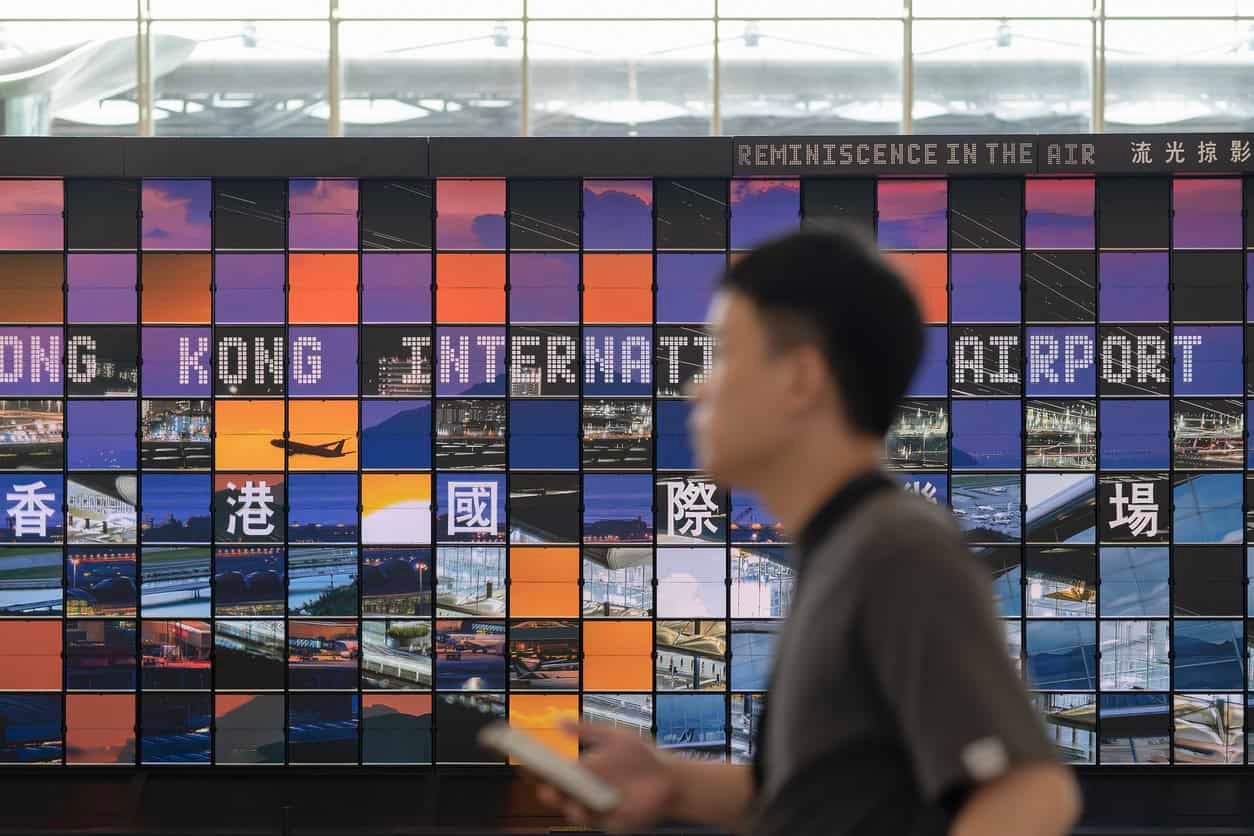
In the rapidly evolving world of international education, cities are no longer just cultural or financial centers—they are becoming knowledge hubs. Among them, Hong Kong is stepping forward with renewed ambition.
Backed by strong infrastructure, global connectivity, and deep ties with mainland China, Hong Kong is positioning itself as a major international education hub. But as promising as this vision sounds, the journey is far from simple.
The year ahead presents a mix of opportunity and uncertainty—a story of growth, competition, and strategic transformation.
A City With a Strong Academic Foundation
Hong Kong’s education system is not starting from scratch. The city already hosts some of Asia’s top universities, known for research excellence and global rankings.
Institutions like University of Hong Kong and Hong Kong University of Science and Technology have consistently attracted students from around the world.
What sets Hong Kong apart is its unique blend:
- Eastern cultural depth
- Western academic structure
- English-medium instruction
This combination creates a learning environment that feels both familiar and globally relevant.
Strategic Location: The Greater Bay Advantage
One of Hong Kong’s biggest strengths lies in its geographical and economic positioning.
The city sits at the heart of the Guangdong-Hong Kong-Macao Greater Bay Area (GBA)—a rapidly developing region that connects major cities like Shenzhen, Guangzhou, and Macau.
This regional synergy offers:
- Access to a massive talent pool
- Strong industry-academic collaboration
- Opportunities for innovation and research
Experts have highlighted that Hong Kong is effectively “next to one of the world’s largest talent ecosystems,” giving it a powerful advantage in global education.
Infrastructure and Global Connectivity
Another major factor supporting Hong Kong’s ambitions is its modern infrastructure.
From advanced university campuses to high-tech research facilities, the city has invested heavily in creating a world-class academic environment.
Additionally, Hong Kong’s global connectivity—through finance, trade, and technology—makes it an attractive destination for international students seeking both education and career opportunities.
A Culture That Values Education
Beyond infrastructure, Hong Kong benefits from a deeply rooted culture of academic excellence.
Education is widely seen as a pathway to success, and this mindset drives both institutions and students to aim higher.
According to experts, this culture of “self-cultivation” plays a crucial role in maintaining high academic standards and innovation.
The Vision: Becoming an Education Powerhouse
Hong Kong’s goal is clear—to establish itself as a leading global education hub.
This means:
- Attracting more international students
- Expanding research collaborations
- Strengthening global partnerships
The vision also aligns with China’s broader strategy of opening its education system further to the world.
As academic leaders have emphasized, the future lies in:
- Internationalization
- Cross-border collaboration
- Knowledge exchange
But the Road Isn’t Easy
Despite its strengths, Hong Kong faces several challenges in achieving this vision.
- Strong Global Competition
Cities like Singapore have already positioned themselves as global education leaders.
Compared to these established hubs, Hong Kong’s push is relatively recent and still evolving.
This means it must work harder to:
- Build a distinct identity
- Attract top global talent
- Compete with established systems
- Geopolitical Uncertainty
One of the biggest concerns is the impact of global geopolitics.
Tensions between major economies can influence:
- Student mobility
- Research collaboration
- Institutional partnerships
Experts warn that such uncertainties could reduce interest from some international students.
- Competition Within China
Interestingly, competition is not just global—it is also domestic.
Major Chinese cities like Shanghai and Beijing are rapidly developing their own education ecosystems.
These cities offer:
- Strong universities
- Advanced research facilities
- Growing international appeal
This internal competition adds another layer of complexity to Hong Kong’s ambitions.
The Role of Technology in Education
One of the most exciting aspects of Hong Kong’s education future is the integration of technology.
Universities are increasingly focusing on:
- Artificial intelligence
- Robotics
- Digital learning platforms
For instance, demonstrations of cutting-edge robotics at major academic events highlight how institutions are embracing innovation.
This shift is not just about modernization—it is about preparing students for a rapidly changing world.

The Future of Higher Education: Skills That Matter
As discussions around education evolve, one theme stands out clearly.
The future is not just about degrees—it is about skills.
Experts emphasize the need to develop students who are:
- Creative
- Critical thinkers
- Cross-disciplinary learners
This approach reflects a broader global trend where employers value adaptability and problem-solving over traditional academic achievements.
China’s Expanding Role in Global Education
Hong Kong’s rise as an education hub is closely linked to China’s broader educational growth.
Over the past few decades, China has:
- Strengthened its higher education system
- Attracted international talent
- Built world-class institutions
Now, the focus is shifting toward giving back to the global academic community by:
- Welcoming international students
- Promoting knowledge exchange
- Expanding global collaboration
Hong Kong, with its international outlook, plays a key role in this strategy.
Opportunities for International Students
For students worldwide, Hong Kong offers several advantages:
- Global Exposure
Students gain access to both Asian and Western perspectives.
- Career Opportunities
Proximity to major business hubs opens doors to internships and jobs.
- Cultural Experience
Living in Hong Kong means experiencing a vibrant mix of traditions and modernity.
What Makes Hong Kong Unique
What truly sets Hong Kong apart is its ability to act as a bridge.
It connects:
- East and West
- Academia and industry
- Tradition and innovation
This unique positioning gives it an edge that few other cities can replicate.
The Bigger Picture: A Competitive Future
The global education landscape is becoming increasingly competitive.
Countries and cities are:
- Investing heavily in universities
- Attracting international talent
- Building research ecosystems
In this race, Hong Kong’s success will depend on how well it:
- Leverages its strengths
- Addresses its challenges
- Adapts to global changes

Conclusion
Hong Kong’s ambition to become a global education hub is both exciting and realistic.
The city has:
Strong universities
Strategic location
Global connectivity
But it also faces:
Intense competition
Geopolitical challenges
Rapidly evolving expectations
The path ahead will require careful planning, innovation, and collaboration.
If Hong Kong can strike the right balance, it has the potential to emerge not just as a regional leader—but as a true global powerhouse in education.
FAQs
- Why is Hong Kong focusing on becoming an education hub?
To attract global talent, strengthen research, and boost economic growth.
- What is the Greater Bay Area’s role in education?
It provides access to a large talent pool and enhances regional collaboration.
- What challenges does Hong Kong face?
Global competition, geopolitical tensions, and competition from Chinese cities.
- What makes Hong Kong unique for students?
Its blend of Eastern and Western education systems.
- What is the future of education in Hong Kong?
A focus on innovation, global collaboration, and skill-based learning.
—Ranjana Ma’am