Introduction
Imagine a school where students walk in without worrying about fees, where books, buses, and even meals are taken care of, and where learning is not just about marks but about life itself.
For many, this sounds ideal—almost unreal. Yet, in many parts of the United States, this is everyday reality.
The education system in America is often discussed globally, sometimes admired, sometimes criticised. But when one looks closely at how schools actually function—especially public schools—a more human, grounded story begins to emerge.
It is a system built not just on policies, but on a belief: that education should be accessible, structured, and meaningful.
This blog takes you deep inside that system—not as a textbook explanation, but as a lived experience.
The First Impression: Education Without Fees
One of the most striking aspects of the American education system is this simple truth:
Public school education is free
For a parent, this changes everything. There is no monthly fee stress, no sudden financial burden for books or transport. Most essential items are provided by the school itself.
Students in public schools often receive:
- Textbooks
- Notebooks and stationery
- School transport (bus services)
- In many cases, meals
This naturally raises a question—how is all this funded?
The answer lies in taxation. Every working individual contributes through taxes, and a significant portion of that revenue is channelled into public services, including education.
In a way, society collectively invests in its children.
Public vs Private Schools: A Different Reality
Just like in India, the United States also has two main types of schools:
- Public schools
- Private schools
But the distribution is very different.
Around 90% of students attend public schools, while only about 10% go to private schools.
This is quite the opposite of what many people expect.
Why Public Schools Dominate
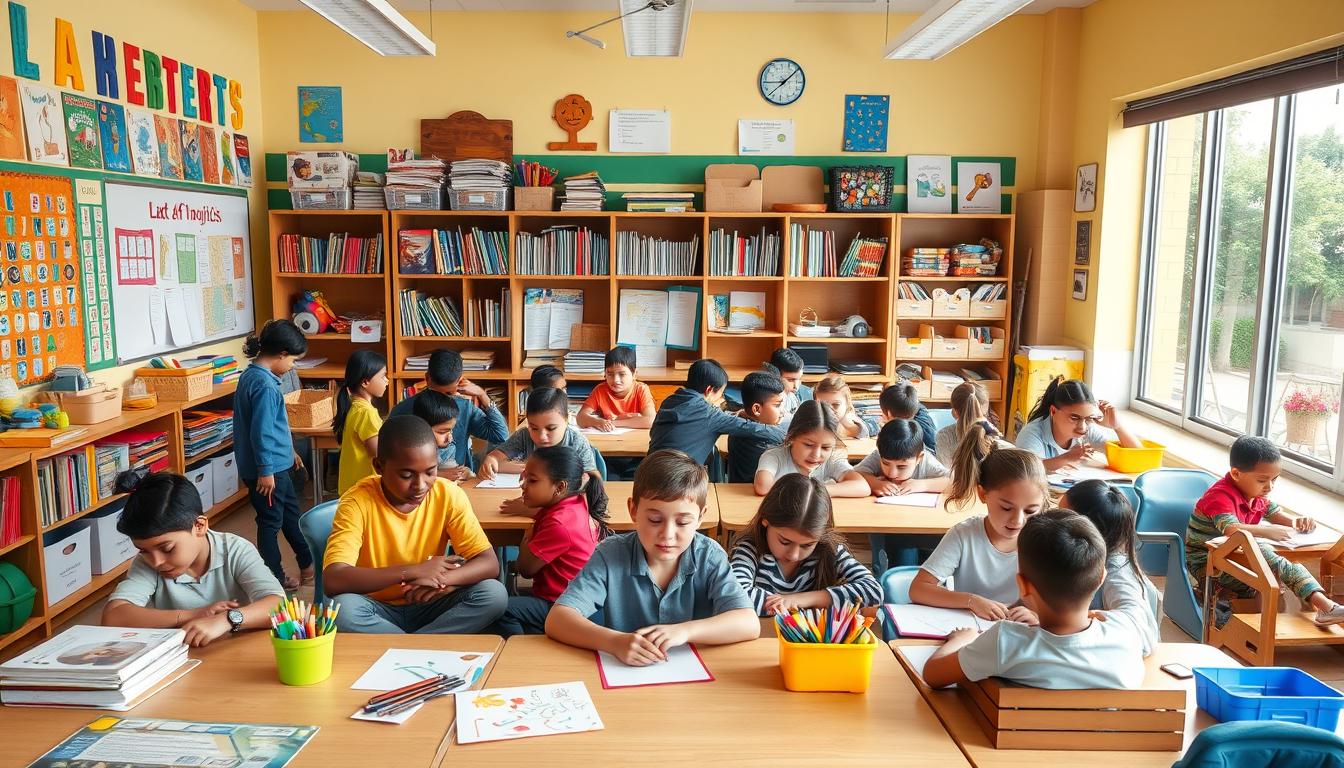
Public schools in the U.S. are not seen as “inferior.” In fact, many offer facilities comparable to private institutions.
They typically include:
- Air-conditioned classrooms
- Large playgrounds
- Modern teaching tools
- Library and computer labs
Because of this, most families trust public education.
Private Schools: Quality Comes at a Cost
Private schools exist, but they are often expensive.
Annual fees can range from:
- $15,000 to $20,000 or even higher
These schools are usually preferred by:
- High-income families
- Parents seeking specialised education
For most families, however, public schools are more than sufficient.
School Structure: Not One Building, But Three Stages
Unlike India, where one school often covers all grades, the American system divides schooling into stages based on age.
- Kindergarten (Early Stage)
Children aged 3–4 years usually attend kindergarten or daycare.
This stage is often private and not always government-funded.
- Elementary School (Primary Level)
- Starts around age 5
- Covers Grades 1 to 6
This is where formal education begins in public schools.
- Middle School (Lower Secondary)
- Grades 7 and 8
- A transitional phase between childhood and adolescence
- High School (Secondary Level)
- Grades 9 to 12
This stage prepares students for college, careers, and life decisions.
Why Separate Schools?
The logic is simple:
Children grow best among their own age group.
Instead of mixing all ages in one campus, the system ensures:
- Better emotional development
- Age-appropriate teaching
- Focused learning environments
Zoning System: Education Based on Where You Live
One of the most unique features of the American education system is the zoning system.
Students are usually assigned schools based on their residential area.
This means:
- You cannot freely choose any school far away
- You must attend a school within your zone
This ensures:
- Balanced student distribution
- Strong local community connections
If a particular area sees a rise in population, the government may even build new schools to accommodate students.
Facilities That Shape Student Life
American schools are designed not just for studying, but for overall development.
- Transportation
School buses are widely available and often free.
Students walk to designated bus stops rather than door-to-door pickup.
- Teacher–Student Ratio
Typically around 1:25, ensuring:
- Better attention
- Personalised learning
- Health and Safety
Many schools have:
- A full-time nurse
- Emergency support systems
This ensures student well-being during school hours.
- Meals and Nutrition
Like India’s mid-day meal system, U.S. schools also provide meals.
Key features:
- Nutritious food
- Hygienic preparation
- Vegetarian options available
- Technology Integration
From around Grade 3 onwards, students may receive:
- Laptops or tablets
These are used for:
- Assignments
- Research
- Digital learning
Attendance and Discipline
Attendance is taken very seriously.
Parents must:
- Inform schools in case of absence
- Provide valid reasons for long absences
Regular absenteeism without reason is discouraged.
This ensures:
- Consistent learning
- Student accountability
Beyond Academics: A Different Philosophy
There is a noticeable difference in mindset when it comes to education.
In many traditional settings, academic success is prioritised above everything else.
But in the U.S., the focus is broader.
Extracurricular Activities Matter
Students actively participate in:
- Sports
- Music
- Dance
- Art
- Martial arts
Parents often enrol children in multiple activities from a young age.
Breaking the Old Belief
The old saying—
“Study hard or you won’t succeed”—
does not fully apply here.
Instead, the belief is:
- Every child has unique talents
- Education should help discover them
Scholarships Through Sports
Students can even secure college scholarships through sports, making athletics a serious career path.
Minimal Tuition Culture
Unlike countries where private tutoring is common, the U.S. has a different approach.
If a student struggles:
- Schools provide extra support
- Teachers offer additional help
Private tuition exists—but it is not the norm.
A Day in the Life of a Student
A typical day may look like this:
- Morning: School classes
- Afternoon: Return home
- Evening: Extracurricular activities
For example:
- Monday: Karate
- Wednesday: Music
- Friday: Swimming
This routine helps students:
- Stay active
- Explore interests
- Build confidence
Strengths of the American Education System
The system stands out for several reasons:
- Accessibility
Free public education ensures inclusivity.
- Infrastructure
Modern facilities enhance learning experience.
- Holistic Development
Focus on academics + activities.
- Student Support
Health, nutrition, and counselling are prioritised.
Challenges and Limitations
No system is perfect.
- Zoning Restrictions
Limited school choice can be frustrating.
- Private School Costs
High fees create a gap between economic classes.
- Dependence on Location
School quality may vary by neighbourhood.
The Bigger Picture: A System Built on Balance
The American education system tries to balance:
- Academics and creativity
- Discipline and freedom
- Structure and flexibility
It recognises that education is not just about producing toppers—but about shaping individuals.
Final Thoughts
The education system in America is not just a framework—it is an experience.
It is a system where:
- Learning is supported by society
- Schools are equipped for growth
- Students are encouraged to explore
From free education to structured schooling, from sports fields to classrooms, every element plays a role in shaping a child’s future.
At its heart, the system sends a powerful message:
Education is not just about becoming successful. It is about becoming capable, confident, and complete.