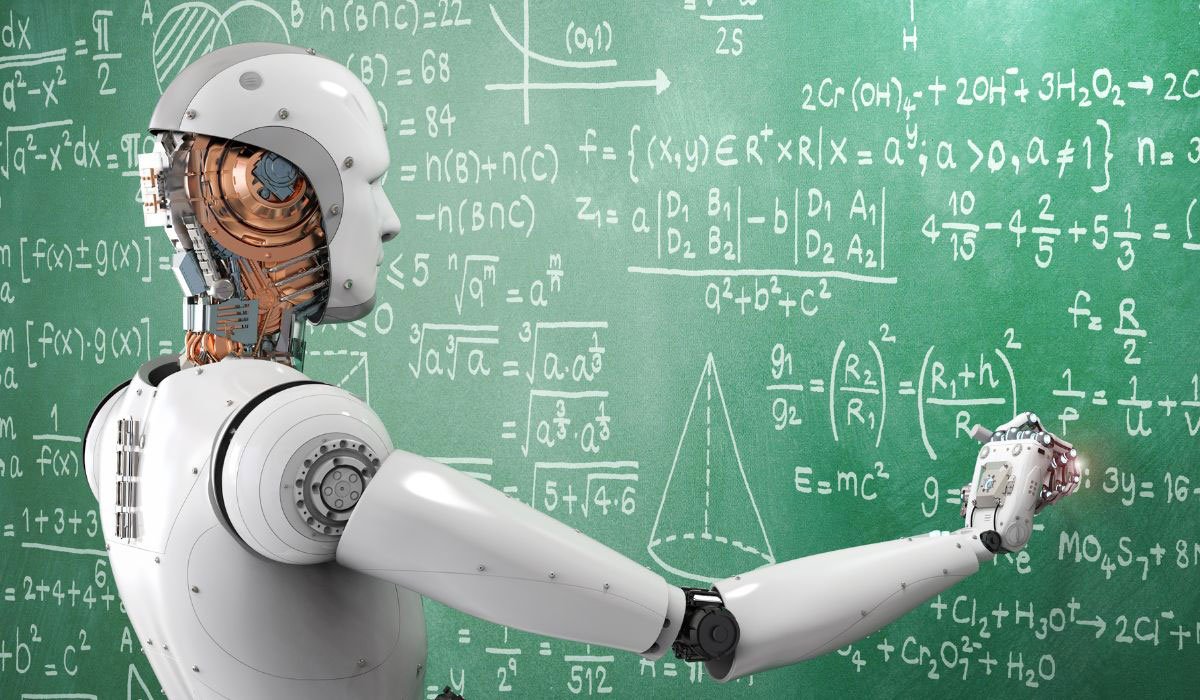
Walk into any modern classroom today, and something feels different. The blackboard is no longer the centre of attention. Instead, screens glow, AI tools suggest answers, and students interact with technology as naturally as they once flipped notebook pages.
On the surface, it looks like progress—and it is. But beneath this transformation lies a quieter story, one that doesn’t always make headlines. A recent global survey has revealed that while Artificial Intelligence (AI) is reshaping education, it is also placing unexpected pressure on teachers.
This isn’t just about technology entering classrooms. It’s about how fast it is happening—and who is being asked to keep up.
The Promise of AI in Classrooms
There is no denying that AI has brought powerful advantages to education. For teachers juggling lesson plans, grading, and classroom management, AI tools can feel like a much-needed assistant.
AI is helping educators:
- Create lesson plans faster
- Automate routine tasks
- Personalise learning for each student
- Provide instant feedback
In fact, many teachers report that AI reduces workload and saves time, allowing them to focus more on teaching itself.
Students, too, are benefiting. Around 65–75% of students globally now use AI tools for school-related work, showing how deeply embedded this technology has become in learning.
From a distance, it looks like a win-win situation.
But reality, as always, is more layered.
The Hidden Pressure on Teachers
The same tools that promise ease are also creating a new kind of stress.
The global survey highlights a crucial truth: teachers are not just teaching anymore—they are constantly adapting.
They are expected to:
- Learn new AI tools quickly
- Integrate them effectively into lessons
- Monitor student use (and misuse)
- Address ethical concerns like plagiarism
This creates a steep learning curve, especially for educators already managing heavy workloads.
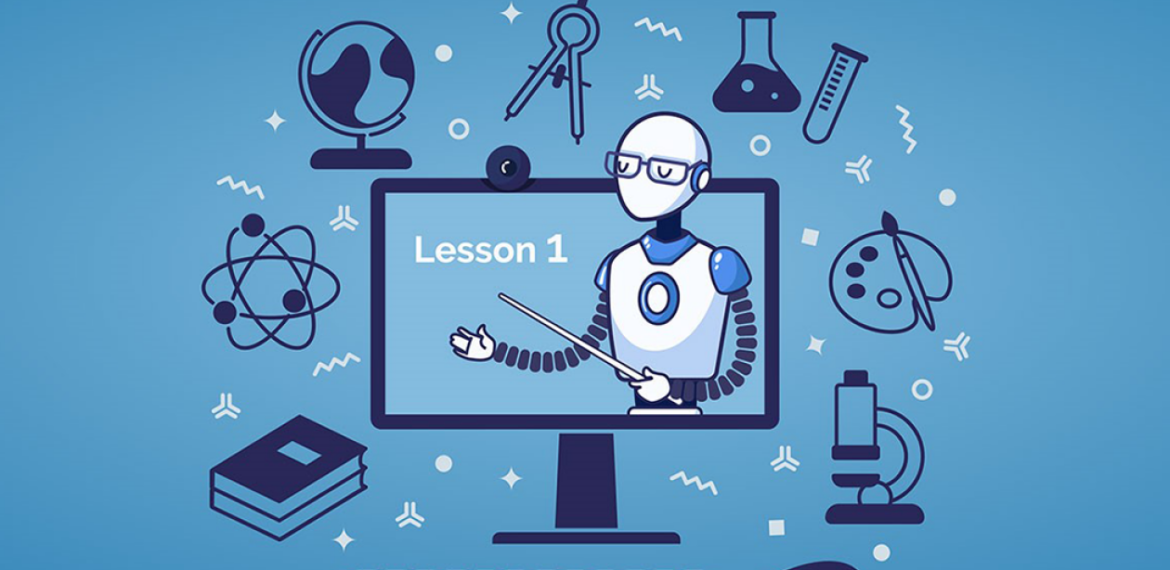
In fact:
- Over 70% of teachers report stress due to rapid AI adoption
- Many feel pressure to use AI even when unprepared
It’s like being asked to run a race while still learning how to walk on a new path.
When Innovation Meets Uncertainty
What makes this transition even harder is the lack of clarity.
Many teachers are navigating AI without:
- Clear guidelines
- Proper training
- Institutional support
More than half of educators say they have not received clear policies on AI use in classrooms.
This uncertainty leads to deeper concerns:
- Are students learning—or just copying?
- Is AI enhancing thinking—or replacing it?
- Where should teachers draw the line?
Even globally, a significant number of teachers remain unsure about AI’s long-term impact on education.
The Classroom Is Changing Faster Than Ever
The speed of change is perhaps the biggest challenge.
Just a few years ago, AI in schools was experimental. Today, it is becoming mainstream.
In places like India, initiatives are already rolling out AI-powered classrooms at scale, transforming how lessons are delivered and understood.
Even in Delhi schools, AI tools are being used to:
- Create interactive lessons
- Support students with special needs
- Enhance engagement through visuals
But here’s the catch:
Technology evolves daily—but training systems do not.
Teachers are expected to keep pace with a system that itself is still figuring things out.
The Emotional Toll: Beyond Workload
Stress isn’t just about workload. It’s also emotional.
Teachers today face:
- Fear of becoming outdated
- Pressure to stay relevant
- Anxiety about student dependency on AI
Some even worry about career sustainability—whether their role will change drastically in the future.
At the same time, students are often more comfortable with AI tools than their teachers. This creates an unusual reversal of roles in the classroom.
Imagine teaching a subject where your students might understand the tools better than you do.
That’s the new reality.
Is AI Helping or Hurting Learning?
This is the question no one can ignore.
AI can:
- Improve access to knowledge
- Make learning interactive
- Support struggling students
But it can also:
- Encourage shortcuts
- Reduce critical thinking
- Increase academic dishonesty
Studies show that many educators are already noticing increased plagiarism and over-reliance on AI tools.
The challenge, therefore, is not whether to use AI—but how to use it responsibly.

What Teachers Really Need Right Now
If there is one message that comes clearly from the survey, it is this: teachers are willing—but they need support.
What can make a difference?
- Proper Training
Teachers need structured, ongoing training—not one-time workshops.
- Clear Guidelines
Schools and governments must define:
- Acceptable AI use
- Ethical boundaries
- Assessment changes
- Emotional Support
Teacher well-being must become a priority, not an afterthought.
- Collaborative Learning
Teachers should be encouraged to:
- Share AI practices
- Learn from each other
- Build confidence together
Because technology alone cannot transform education—people do.
The Way Forward: Balance, Not Blind Adoption
AI is not the enemy. Nor is it a miracle solution.
It is a tool—and like any tool, its impact depends on how it is used.
The future classroom will not be:
- Fully human
- Nor fully automated
It will be a partnership.
Where:
- AI handles routine tasks
- Teachers focus on creativity, empathy, and critical thinking
And perhaps that is where education was always meant to go.
Final Thoughts
The story of AI in schools is not just about innovation. It is about adaptation.
Yes, classrooms are becoming smarter.
Yes, learning is becoming faster.
But behind every AI-powered lesson is a teacher trying to keep up, adjust, and do their best in a rapidly changing world.
The global survey doesn’t just reveal stress—it reveals a turning point.
If supported well, teachers can harness AI to transform education.
If ignored, the pressure could reshape the profession in ways we are not ready for.
The future of education will not be decided by AI alone.
It will be decided by how well we support the people who use it every day.