Introduction: A Temple That Lives in the Heart of the City
In the fast-moving rhythm of Patna, where trains arrive with urgency and people move with purpose, there stands a place that slows everything down—Mahavir Mandir. Located just outside the bustling Patna Junction, this temple is not merely a religious site; it is a deeply emotional space where faith quietly anchors itself in the everyday lives of people.
For countless devotees, Mahavir Mandir is not a destination planned in advance. It is often an instinctive stop—something that happens naturally the moment one steps out of the railway station. Hands fold automatically, eyes close briefly, and amidst all the chaos, a moment of stillness emerges. That moment is what defines this temple. It is not grand architecture alone that draws people in, but a sense of connection that feels both personal and powerful.
A Visual Glimpse of Devotion
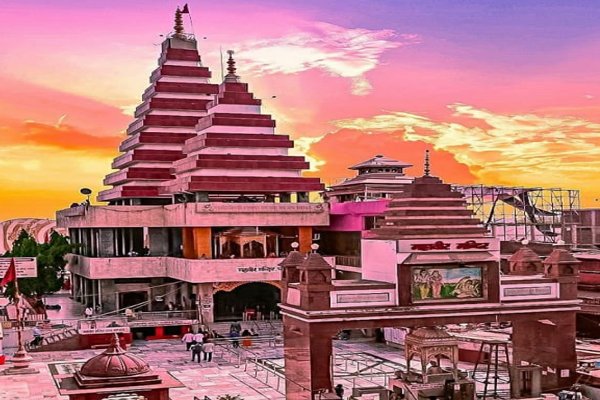
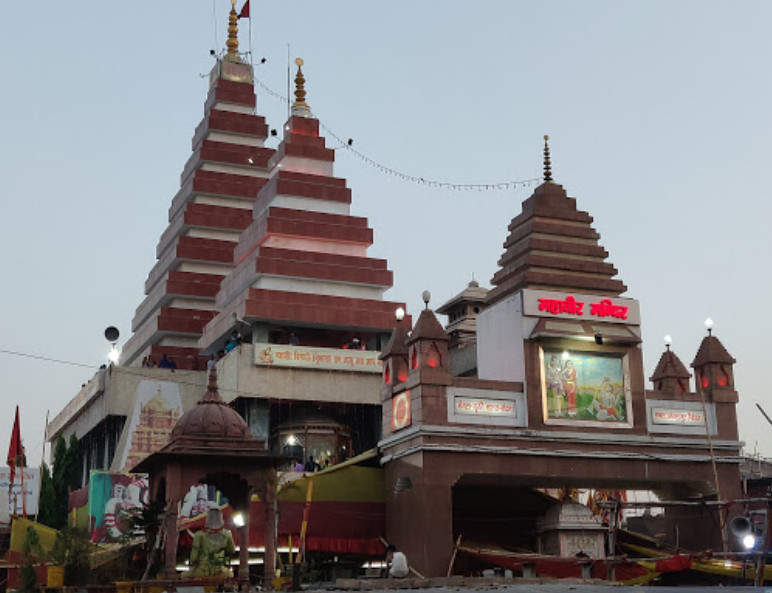
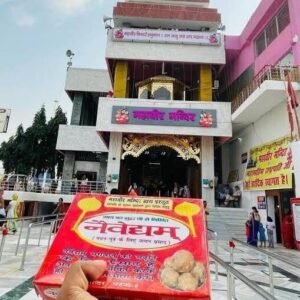
The temple’s presence is immediate and striking. As one approaches, the sight of devotees lining up, the fragrance of incense in the air, and the soft echo of prayers create an atmosphere that feels both grounded and sacred. It is a place where movement never stops, yet peace is always present.
Historical Roots: From a Modest Shrine to a Spiritual Landmark
The story of Mahavir Mandir begins in the early eighteenth century, around 1730 AD, when it was established by Swami Balanand, a saint belonging to the Ramanandi sect. At that time, the temple was nothing more than a small shrine—a quiet space meant for prayer and reflection. There was no grand design, no large-scale recognition, and certainly no expectation that it would one day become one of the most visited temples in northern India.
The turning point in its journey came during the Partition of India in 1947. As waves of refugees arrived in Patna, carrying with them stories of loss and uncertainty, Mahavir Mandir became a place of solace. People who had lost everything found comfort within its walls. The temple gradually transformed into a centre of emotional and spiritual support. Recognising its growing importance, the Patna High Court declared it a public temple in 1948, formalising its role in the lives of the people.
Transformation Over Time: Growth Shaped by Faith
As the number of devotees continued to grow, the temple underwent several phases of reconstruction. What was once a simple structure evolved into a more stable concrete building, and eventually, in 1987, it was rebuilt into the grand marble temple that stands today. This transformation was not merely architectural; it was symbolic of the expanding faith of the people who visited it.
The modern structure reflects both devotion and functionality. It is designed to accommodate large crowds while maintaining a sense of order and reverence. The temple’s growth mirrors the journey of its devotees—expanding, evolving, yet always rooted in belief.
Inside the Temple: A Multi-Layered Spiritual Experience
Entering Mahavir Mandir is not a single experience; it is a progression through layers of spirituality. The temple houses two idols of Lord Hanuman, each representing a different aspect of his divine nature. One idol is in a blessing posture, symbolising protection and compassion, while the other represents his fierce form, associated with the destruction of evil. This duality captures the essence of Hanuman as both a guardian and a warrior.
The temple is spread across multiple levels, with each floor dedicated to different deities such as Lord Rama, Lord Krishna, Lord Shiva, Goddess Durga, and Goddess Saraswati. This arrangement creates a sense of completeness, allowing devotees to experience a wide spectrum of Hindu spirituality within a single space. There is also a meditation hall, known as the Dhyan Mandap, where visitors can sit in silence and connect inwardly—a rare offering in such a busy location.
The Sacred Stone: Where Belief Meets Wonder
One of the most intriguing elements within the temple is the stone believed to be associated with the legendary Ram Setu. Preserved carefully in a glass enclosure, this stone is said to possess the ability to float in water. Whether one interprets it as a matter of faith or curiosity, it remains a powerful symbol that draws attention and reflection.
People often stand before it quietly, not necessarily seeking answers, but experiencing a sense of wonder. It serves as a reminder that not everything in life needs to be explained—some things are meant to be felt.
Spiritual Significance: A Place Where Wishes Take Shape
Mahavir Mandir is widely regarded as a “Manokamna Mandir,” a place where heartfelt wishes are believed to be fulfilled. This belief is not based on any formal doctrine but has emerged organically through the experiences of devotees over time. Stories of answered prayers, unexpected successes, and emotional healing circulate among visitors, strengthening the temple’s reputation as a space of divine intervention.
The temple sees particularly high footfall on Tuesdays and Saturdays, days traditionally associated with Lord Hanuman. On these days, the energy within the temple intensifies, with longer queues, louder chants, and a deeper sense of collective devotion.
Festivals: When Faith Becomes a Collective Experience
Festivals at Mahavir Mandir are not just celebrations; they are experiences that bring together thousands of people in shared devotion. Ram Navami, in particular, transforms the temple into a sea of humanity, with queues stretching over long distances and devotees waiting patiently for hours to offer their prayers. The atmosphere during this time is charged with emotion, creating a powerful sense of unity.
Hanuman Jayanti is another major occasion, marked by special rituals and enthusiastic participation. During these festivals, the temple becomes more than a place of worship—it becomes a living expression of faith.

Naivedyam: A Sacred Offering That Connects People
No visit to Mahavir Mandir is complete without receiving the famous Naivedyam. Inspired by the prasadam of Tirupati, this sacred offering has become an integral part of the temple’s identity. It is prepared with care and devotion, and for many devotees, taking it home is as important as the darshan itself.
The sweetness of Naivedyam goes beyond taste—it carries with it a sense of blessing and connection, often shared with family and friends as a piece of the temple’s grace.
Service Beyond Worship: A Temple That Gives Back
What truly sets Mahavir Mandir apart is its commitment to social service. The temple trust utilises donations to run several major institutions, including hospitals that provide affordable healthcare to thousands of people. Facilities such as the Mahavir Cancer Institute and Mahavir Vaatsalya Hospital stand as powerful examples of how faith can translate into meaningful action.
This aspect of the temple reflects a broader philosophy—that spirituality is not confined to rituals alone but extends into service and compassion. In this way, Mahavir Mandir becomes not just a place of prayer, but a force for social good.
Breaking Barriers: A Step Towards Inclusivity
In 1993, the temple took a significant step by appointing a Dalit priest, challenging traditional caste norms within religious institutions. This decision was not just symbolic; it represented a shift towards inclusivity and equality, reinforcing the idea that faith belongs to everyone, regardless of social background.
Such actions have helped shape the temple’s identity as a progressive institution that respects tradition while embracing change.
Conclusion: A Temple That Stays With You
Mahavir Mandir is not just a place you visit and leave behind. It is a place that stays with you—in thoughts, in memories, and sometimes, in the quiet strength it gives you when you need it the most.
It stands as a reminder that faith does not always need grand expressions. Sometimes, it exists in a simple prayer, a silent moment, or a small piece of prasad carried home.
In a world that often feels overwhelming, Mahavir Mandir offers something deeply human—a sense of reassurance that, no matter what, there is always a place where one can pause, reflect, and begin again.
Final Summary
Mahavir Mandir in Patna is one of India’s most revered Hanuman temples, with origins dating back to the 18th century. Located near Patna Junction, it has grown from a modest shrine into a grand spiritual landmark. Known for its dual Hanuman idols, multi-level structure, and famous Naivedyam prasad, the temple attracts millions of devotees each year. Beyond its religious significance, it plays a vital role in social welfare through healthcare initiatives and inclusive practices. More than a temple, it represents a harmonious blend of faith, service, and modern relevance.