Introduction to the Philosophy of Success
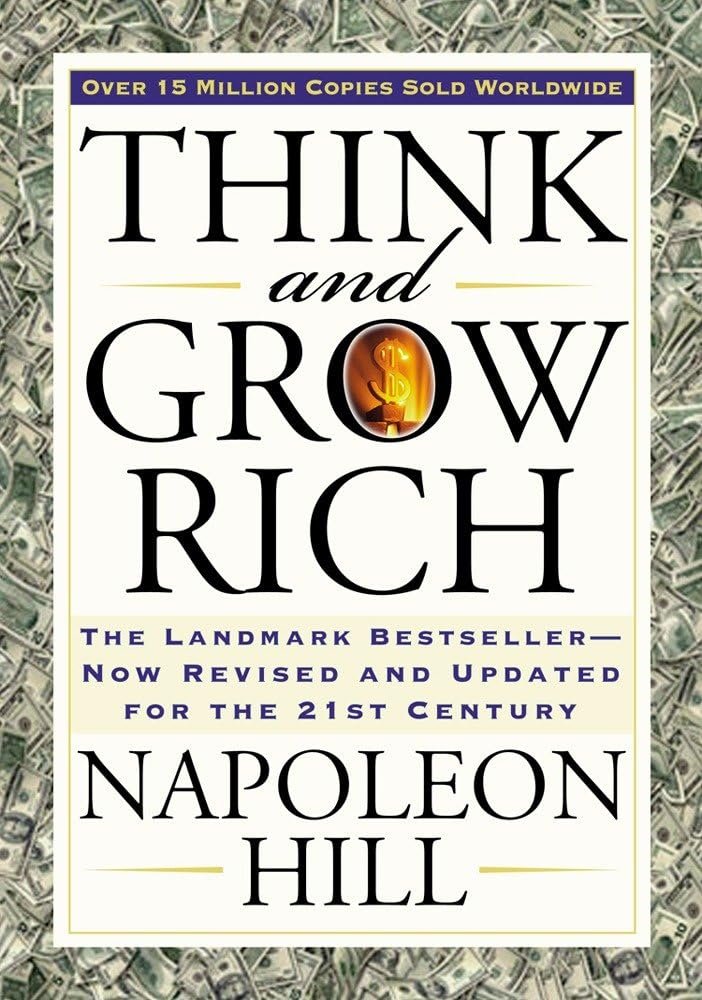
Think and Grow Rich is one of the most widely read books on personal success and wealth creation. Written by Napoleon Hill and first published in 1937, the book explores how successful people think and act differently from others. Hill spent more than twenty years researching the lives of highly successful individuals. His research began after a conversation with the industrialist Andrew Carnegie, who believed that the principles of success could be organized into a simple philosophy that ordinary people could follow.
During his research, Hill studied the habits and achievements of influential personalities such as Henry Ford and Thomas Edison. From their experiences, he identified patterns of thinking and behavior that repeatedly appeared among successful individuals. The result was a set of principles explaining how desire, belief, persistence, and disciplined thinking can help a person achieve wealth and success.
The book does not focus only on financial prosperity. Instead, it emphasizes that success in any field—business, career, creativity, or personal life—begins with the way a person thinks. Hill argues that the human mind is powerful enough to shape one’s destiny when guided by clear goals and strong determination.
The Central Idea of the Book
Thoughts Shape Reality
The core message of Think and Grow Rich is that thoughts are powerful forces. According to Hill, everything that humans create begins first as an idea in the mind. If a person constantly focuses on success and believes in their ability to achieve it, that belief influences actions and decisions.
Hill explains that wealth and success do not come by chance. They are the result of a mental process that starts with a clear desire and develops through belief, planning, and persistence. When a person repeatedly thinks about a specific goal, the mind begins to search for ways to achieve it. Opportunities that might otherwise go unnoticed become visible because the mind is actively looking for them.
This philosophy emphasizes the importance of mental discipline. Negative thinking, fear, and doubt weaken the mind’s ability to pursue goals. On the other hand, confidence and determination strengthen a person’s efforts and help them move closer to success.
The 13 Principles of Success
Hill organizes his philosophy around thirteen principles that together form a roadmap to achievement.
Desire – The Starting Point of Achievement
The first principle of success is desire. Hill argues that every major achievement begins with a strong and definite desire. Many people wish for success, but wishing alone is not enough. A desire must be clear, specific, and supported by determination.
Hill suggests that individuals should define exactly what they want to achieve. They should also determine what they are willing to give in return for that success. By writing down their goals and reviewing them regularly, people can strengthen their focus and commitment.
A burning desire acts like fuel that drives motivation and effort. Without it, people often lose interest when they encounter difficulties.

Faith – Belief in One’s Ability
The second principle is faith, which refers to a deep belief that one’s goals can be achieved. Hill believed that faith plays a critical role in shaping human behavior. When individuals truly believe in their ability to succeed, they approach challenges with confidence rather than fear.
Faith can be developed through repeated positive thinking. By imagining success and affirming their goals regularly, individuals can train their minds to accept those goals as possible realities.
Many successful people maintain strong faith in their vision even when others doubt them. This belief gives them the courage to continue working toward their goals despite obstacles.
Autosuggestion – Programming the Mind
Autosuggestion is the method of influencing the subconscious mind through repeated thoughts and statements. Hill believed that the subconscious mind absorbs ideas that are repeatedly presented to it.
If a person constantly thinks about failure or limitation, the subconscious mind begins to accept those ideas as reality. However, if the person repeatedly focuses on success and achievement, the subconscious mind begins to support those goals.
Hill advised readers to repeat their goals aloud each day and visualize their success clearly. Over time, these repeated thoughts influence attitudes and actions.
Specialized Knowledge – The Power of Expertise
Hill explains that knowledge alone does not guarantee success. Many people possess general knowledge but fail to apply it effectively. What truly matters is specialized knowledge—expertise in a particular field.
Successful individuals often focus on mastering specific skills or industries. They also understand the importance of working with others who possess different areas of expertise.
By combining knowledge with practical application, individuals can create valuable products, services, or solutions.
Imagination – The Workshop of the Mind
Imagination is the ability to create new ideas and possibilities. Hill believed that imagination plays a crucial role in success because every invention, business, and achievement begins as an idea.
He described two types of imagination:
Synthetic imagination, which combines existing ideas in new ways, and
Creative imagination, which produces completely new ideas or insights.
Successful entrepreneurs and innovators use imagination to identify opportunities and design solutions to problems.
Organized Planning – Turning Ideas into Action
Ideas and dreams must eventually be translated into action. Hill emphasized the importance of organized planning, which involves creating practical strategies for achieving goals.
Successful individuals develop detailed plans and continuously refine them as they progress. When a plan fails, they do not abandon their goal; instead, they modify their strategy and try again.
Planning also involves collaboration with others who can contribute knowledge and support.
Decision – The Power of Firm Choices
Hill observed that successful people tend to make decisions quickly and firmly. In contrast, unsuccessful individuals often hesitate and allow others to influence their choices.
Indecision weakens determination and creates confusion. A clear decision demonstrates commitment to a goal and helps maintain focus.
Hill encouraged readers to trust their judgment and avoid being overly influenced by negative opinions.
Persistence – The Key to Overcoming Failure
Persistence is the ability to continue working toward a goal despite obstacles or failures. Hill believed that persistence often distinguishes successful people from those who give up too early.
Many famous achievements were preceded by repeated failures. Instead of viewing failure as defeat, persistent individuals treat it as a learning experience.
By maintaining determination and continuing to improve their strategies, they eventually achieve success.
The Master Mind – Collective Intelligence
The concept of the Master Mind refers to a group of individuals who work together toward a shared objective. Hill believed that cooperation among intelligent and motivated people multiplies the chances of success.
When individuals share ideas, knowledge, and resources, they create a powerful network of support and creativity.
Many successful businesses and organizations rely on strong teamwork and collaboration.
The Power of Creative Energy
Hill discussed the idea that strong human emotions and energy can be redirected toward productive goals. Passion, ambition, and enthusiasm can motivate individuals to work harder and pursue greater achievements.
Successful people often possess intense energy that drives their creativity and determination.
The Subconscious Mind – The Silent Partner
The subconscious mind plays a major role in shaping thoughts, attitudes, and actions. It stores emotions, memories, and beliefs that influence behavior.
Hill believed that the subconscious mind responds strongly to emotions. Positive emotions such as enthusiasm, love, and hope strengthen motivation, while negative emotions such as fear weaken it.
By controlling their thoughts and focusing on positive ideas, individuals can guide their subconscious mind toward success.
The Brain – A Center for Ideas
Hill described the brain as a powerful instrument for receiving and transmitting thoughts. When individuals concentrate deeply on a goal, their minds become more receptive to new ideas and inspiration.
Many breakthroughs occur after prolonged concentration on a problem or challenge.

The Sixth Sense – Intuition and Insight
The final principle is the sixth sense, which Hill described as intuition or inner guidance. After developing the earlier principles, individuals often become more sensitive to subtle insights and opportunities.
These intuitive insights help them make better decisions and recognize possibilities that others may overlook.
Overcoming Fear and Self-Doubt
Hill also discusses several common fears that prevent people from achieving success. These include the fear of poverty, fear of criticism, fear of ill health, fear of losing love, fear of old age, and fear of death.
These fears often operate subconsciously and limit a person’s confidence and willingness to take risks. Hill believed that overcoming fear requires strengthening self-belief and maintaining a positive mental attitude.
When individuals learn to control fear, they gain the freedom to pursue ambitious goals.
The Lasting Impact of the Book
Since its publication, Think and Grow Rich has influenced millions of readers worldwide. Entrepreneurs, business leaders, and motivational speakers frequently reference its principles.
The book’s enduring popularity comes from its simple yet powerful message: success begins in the mind. By developing clear goals, strong belief, organized plans, and persistent effort, individuals can transform their ideas into reality.