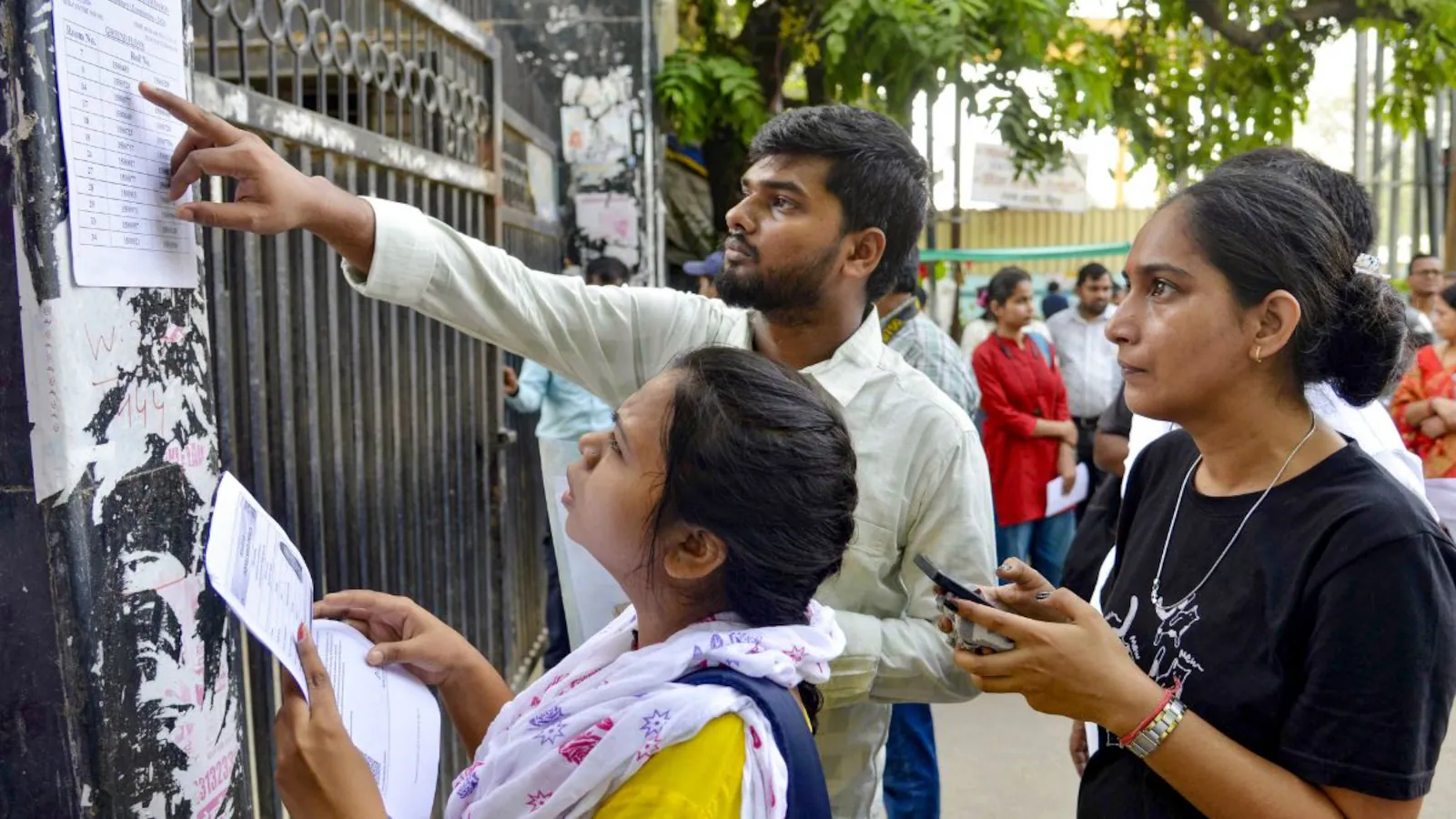
For millions of young Indians, a government job is not just employment. It represents stability. Respect. Financial security. A steady future for the entire family.
Every year, notifications for exams like SSC, state-level recruitment boards, banking exams, railways, teaching posts, police recruitment, and apprentice programmes create waves of excitement — and pressure.
The moment a notification is released, WhatsApp groups light up. Coaching centres push new batches. Application deadlines suddenly feel urgent.
Government & Competitive Job Exams 2026 will follow the same pattern. But success does not come from panic. It comes from preparation and planning.

Let’s break everything down clearly — from notifications to preparation strategy.
Major Types of Government Exams in 2026
Across India, recruitment exams fall into several broad categories:
- SSC Exams
- SSC CGL
- SSC CHSL
- SSC MTS
- SSC GD
These exams recruit for central government departments.
- Banking Exams
- IBPS PO & Clerk
- SBI PO & Clerk
- RBI Assistant
- Apprentice recruitment
Banking exams remain highly popular among graduates.
- State Government Exams
- State Public Service Commissions
- State Eligibility Tests
- Agriculture Supervisor
- Revenue & Administrative posts
- Police & Constable recruitment
Each state releases its own notifications.
- Railway Recruitment
Railway exams attract lakhs of applicants every year.
- Teaching & Education Jobs
- CTET
- State TET
- Government school teacher recruitment
Opportunities vary by qualification.
The diversity of exams means candidates must choose wisely instead of applying blindly everywhere.
How to Track Official Notifications Properly
One of the biggest mistakes candidates make is relying only on social media updates.
Here is what you should do:
- Follow official websites of recruiting bodies.
- Check employment news portals regularly.
- Keep documents ready in advance.
- Note application deadlines carefully.
Do not wait until the last date to apply. Server issues are common on final days.
Eligibility Criteria: Read Before You Dream
Every notification includes eligibility details. Ignoring them leads to disappointment.

Common Eligibility Requirements:
- Educational Qualification
- 10th pass
- 12th pass
- Graduate
- Postgraduate
- Age Limit
- Typically 18–27 years (varies by exam)
- Age relaxation for reserved categories
- Nationality
- Usually Indian citizen
Always verify:
- Age cut-off date
- Degree recognition
- Category certificates validity
Many candidates are disqualified simply because they misread eligibility rules.
Application Process: Step-by-Step Discipline
Though each exam differs slightly, the process is usually similar.
Step 1: Online Registration
Create login ID and password.
Step 2: Fill Personal & Academic Details
Be accurate. Spelling errors in name or father’s name create problems during document verification.
Step 3: Upload Documents
- Photograph
- Signature
- Thumb impression (if required)
- Category certificate
Follow size and format guidelines strictly.
Step 4: Fee Payment
Online payment through UPI, debit/credit card, or net banking.
Step 5: Print Confirmation
Always download and save confirmation page.
Never ignore small instructions in the official notification.
Exam Pattern: What Most Competitive Exams Test
While syllabus varies, most government exams test similar skills:
- Quantitative Aptitude
- Reasoning Ability
- General Awareness
- English/Hindi Language
- Computer Knowledge
Higher-level exams may include:
- Descriptive writing
- Interview
- Skill test
Understanding the structure helps design preparation effectively.
Smart Preparation Strategy for Government Exams 2026
Government exams are about speed, accuracy, and consistency.
- Master the Basics
For Quantitative Aptitude:
- Percentages
- Profit & Loss
- Time & Work
- Simple & Compound Interest
- Data Interpretation
For Reasoning:
- Puzzles
- Seating arrangement
- Coding-decoding
- Syllogism
Without strong basics, speed cannot improve.
- Daily Practice Is Non-Negotiable
Competitive exams are not about theory. They are about solving questions quickly.
Practice:
- 20–30 aptitude questions daily
- 15–20 reasoning problems
- Vocabulary and grammar exercises
Small daily effort beats last-minute cramming.
- Mock Tests & Time Management
Mock tests simulate real exam pressure.
After each mock:
- Analyse mistakes.
- Identify weak sections.
- Improve speed gradually.
Do not feel discouraged by low mock scores initially. Improvement takes time.
- Stay Updated with Current Affairs
General Awareness plays a crucial role.
Read:
- Monthly current affairs magazines
- Government schemes
- Economic updates
- Important national & international events
Even 15–20 minutes daily is enough.
Common Mistakes Candidates Make
- Applying for too many exams without focused preparation.
- Ignoring official syllabus.
- Not practising enough mock tests.
- Losing motivation after first failure.
- Comparing preparation journey with others.
Government exam preparation is often a long journey. Patience is essential.
Managing Rejection and Reattempts

Let’s speak honestly.
Not everyone clears in the first attempt.
Some candidates succeed in their second or third attempt. Others switch strategies and find success in different exams.
Failure in one exam does not mean lack of ability. Sometimes it simply means the strategy needs adjustment.
Analyse performance calmly instead of losing confidence.
Physical & Skill Tests: Prepare Early
For police, defence, or certain state jobs, physical tests are mandatory.
Start preparing physically months in advance. Fitness cannot be built in a week.
For skill-based posts (like typing tests), regular practice is required.
Mental Strength During Preparation
Government exam preparation can feel lonely.
Friends may get private jobs. Some may move ahead in life faster. Social pressure builds silently.
Remember:
- Every journey is different.
- Government exam success requires consistency.
- Progress may be slow, but steady effort compounds.
Avoid negative comparison. Focus on self-improvement.
Final Reflection: Stability Demands Discipline
Government jobs are attractive because they offer stability. But stability requires discipline.
Notifications will continue to come in 2026. Cut-offs will fluctuate. Competition will remain intense.
Those who succeed are not always the most intelligent — they are often the most consistent.
Choose your target exam carefully. Understand eligibility. Prepare systematically. Practice daily.
Success in competitive exams is not about luck. It is about structured effort repeated consistently.
And when that final result shows your name, the wait feels worth it.