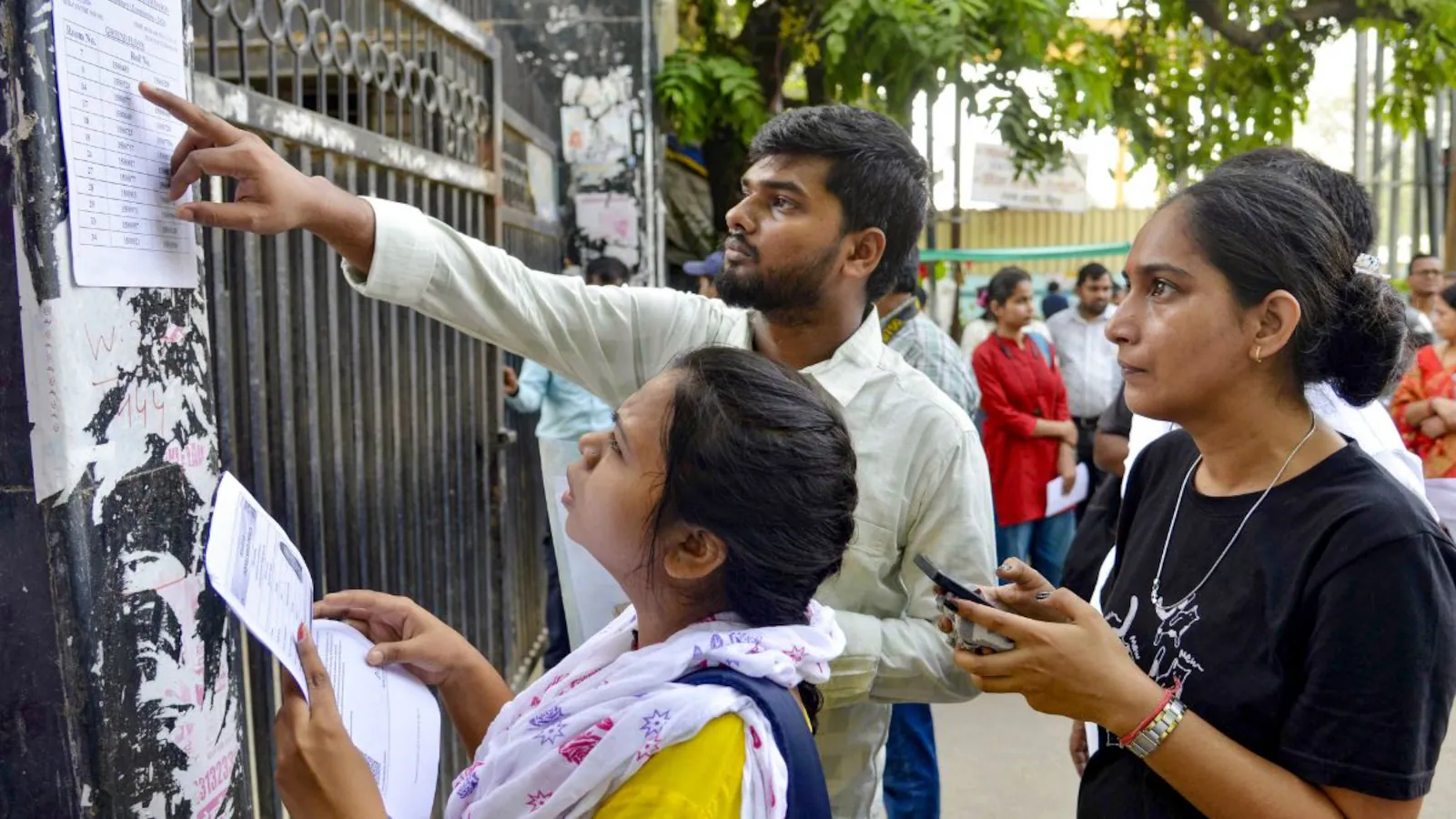
The Central Board of Secondary Education (CBSE) has concluded the CTET 2026 yesterday on February 8. CTET exam was conducted in 20 languages, such as English, Hindi, Assamese, Nepali, Odia, Bangla, Garo, Khasi, Malayalam, Mizo, Gujarati, and Urdu.
CTET 2026 Exam Analysis Live Updates: The Central Board of Secondary Education (CBSE) conducted the CTET 21st Edition exam on February 8 in two shifts. Candidates can check below the exam analysis based on the feedback of the students’ including the overall difficulty level, topics asked in the exam, questions, answers, and more. The authority released the CBSE CTET admit card on February 5 on the official portal at ctet.nic.in. It is mandatory to carry hall ticket to the exam centre. Without the admit card candidates will not be allowed to take the exam. Scroll down for the latest live updates about the CTET Day 2 exam analysis 2026.
CTET 2026 Exam Analysis (Feb 8) Shift 2 OUT
As per the students’ reactions, the Shift 2 exam of CTET 2026 was Easy to Moderate. But some of the students’ felt it moderate.
CTET 2026 Exam Analysis (Feb 8) Shift 1 OUT
As per the feedback received from the students’, the CTET exam 2026 Shift 1 was Easy to Moderate. Questions were based on concepts and CDP asked was analytical. Question from theories were also asked.
Candidates can check table to know shift timings of CBSE CTET exam.
Date Paper Shift Time Duration
February 8, 2026 Paper 2 Morning 9:30 AM to 12 PM
February 8, 2026 Paper 1 Afternoon 2:30 to 5:00 PM
CTET 2026 Exam Analysis OUT LIVE: Topics asked in CDP (Feb 7)
As per the students, the paper was more analytical. Topics asked in Child Development and Pedagogy are:
- Scanning and Skimming
- Writing process stages
- Reading as meaning-making versus letter-sound decoding
- Shared reading and guided reading practices
- Dictation as language learning activity
- Language learning principles
- Language development in children (12 – 18 months, early sounds and speech)
- Listening skill assessment methods
- Performance-based assessment
- Testing versus assessment, etc.
- Topics asked in Shift 2 Paper 1 LIVE: Topics asked in English
- Vocabulary, antonyms, opposite meaning of a word from the passage
- Vocabulary in context, meaning of a word used to describe criticism or scolding
- Reading comprehension, understanding character motivation
- Comprehension-based inference from a prose passage
- Understanding interpersonal relationships and conflicts in a narrative
- Poem-based comprehension, interpreting imagery and setting
- Literary device and figurative meaning used in a poem, etc.
Topics asked in Shift 2 Paper 1 LIVE: Child development and Pedagogy
- Factors ensuring meaningful learning
- Role of emotional support, competition
- Hypothetical logical reasoning (Piaget)
- Symbolic thinking and stages of cognitive development
- Intrinsic Vs Extrinsic motivation
- Mastery goal orientation in learners
- Realistic Vs performance-based learning goals
- Gender stereotypes in education and classroom practices
- Promotion of critical thinking skills
- Questioning techniques, what, why and how
- Kohlberg’s stages of moral development
- Pre-conventional moral reasoning, punishment-oriented stage
- Vygotsky’s concept of inner speech, etc.
CTET 2026 Exam Analysis OUT: Shift 2 Questions with answers asked in CDP
Q1. The huts of history’s shame refers to:
Ans. a shameful event in history
Q2. Which describes of the theme of the poem correctly:
Ans. Oppression
Q3. “I am the dream and the hope of the slave” shows that the poem is:
Ans. Optimistic
Q4. The ability to write concisely by not including any detail that can be avoided to achieve precision is a skill which is known as:
Ans. Summarizing
Q5. Voice expressions can effectively be judged by:
Ans. tone of voice